
A mid fade has no single haircut number. The number usually refers to a clipper attachment length; mid describes where the side blend sits. You still need to choose the top length, shortest side finish and connection between them.
What the numbers actually describe
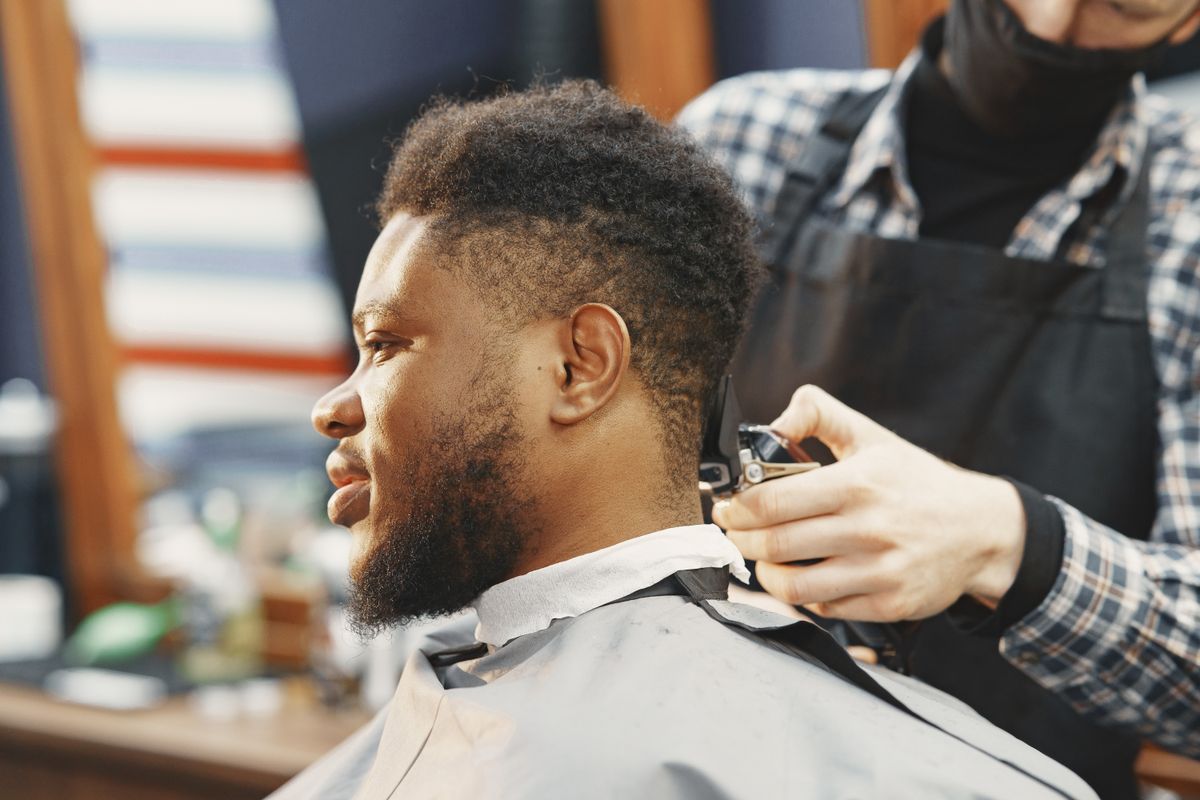
A numbered guard is a tool setting, not the name of a complete haircut. Asking for a number two can mean an all-over length, the shortest part of the sides or just the top of a buzz cut. The result depends on which area you mean. State the area first, then the length, and describe what should happen to the surrounding hair.
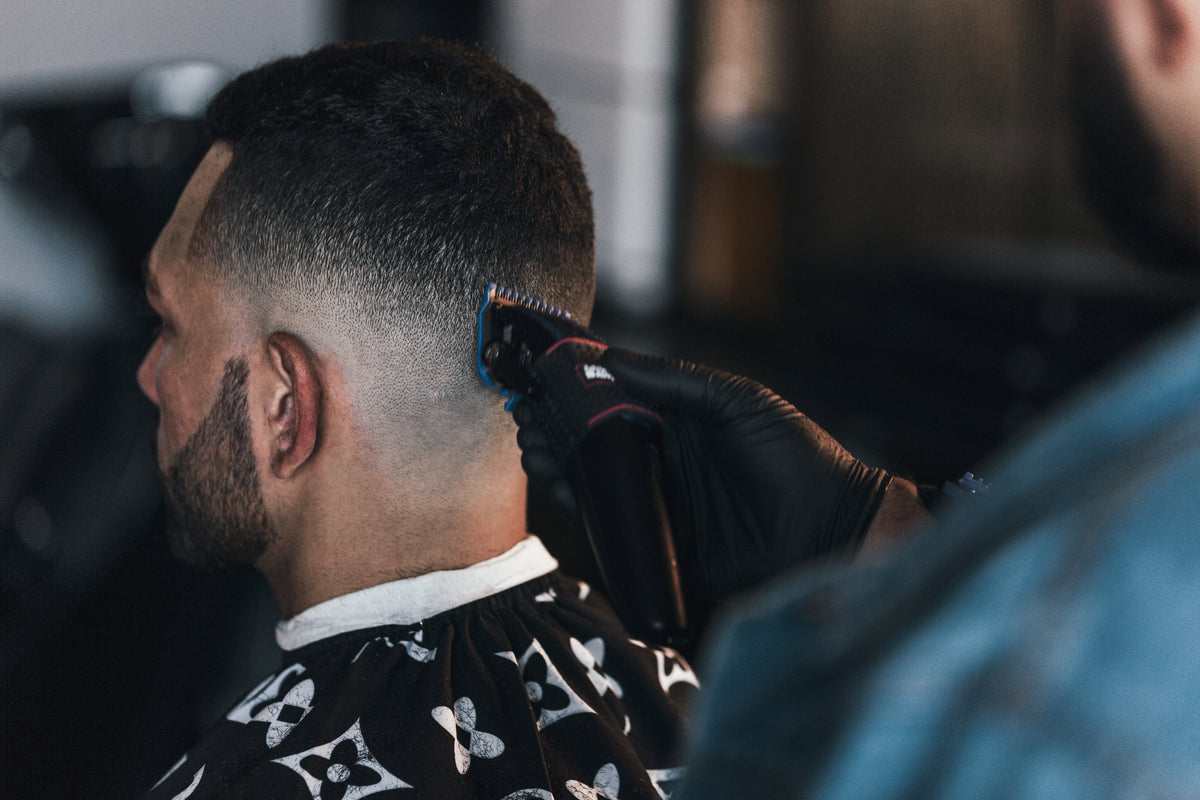
For a mid fade, the sides transition between lengths. A single number cannot describe that transition, the height of the shortest zone or whether the top is clipped or cut with scissors. Write the request as separate decisions: top, shortest side length, blend placement and outline. That is more useful than trying to memorize a complicated sequence of guards.
A small guard reference you can use
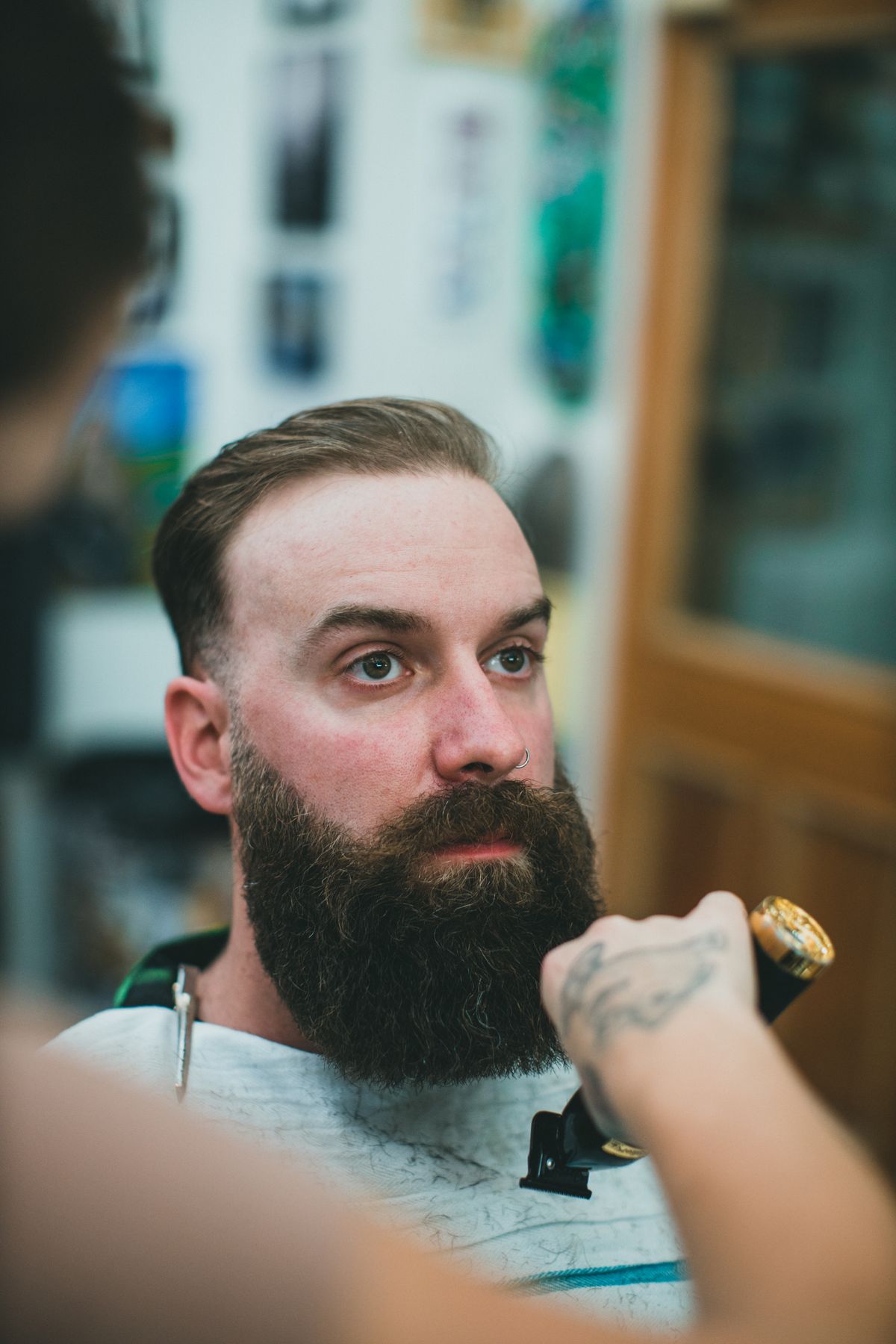
Wahl’s US guide lists #1 as 1/8 inch, #2 as 1/4 inch, #3 as 3/8 inch and #4 as 1/2 inch. Its UK attachment set labels those lengths as 3, 6, 10 and 13 mm respectively. These are common nominal labels, not exact promises of how much coverage you will see on your head.
Use the manufacturer’s markings for the tool actually being used. Do not assume that a beard trimmer, an adjustable integrated comb and a separate hair-clipper attachment all share the same numbering system. Ask for the stated cutting length if a number is unfamiliar. A screenshot of an internet guard chart is not a substitute for checking the attachment.
Specify the top and sides separately
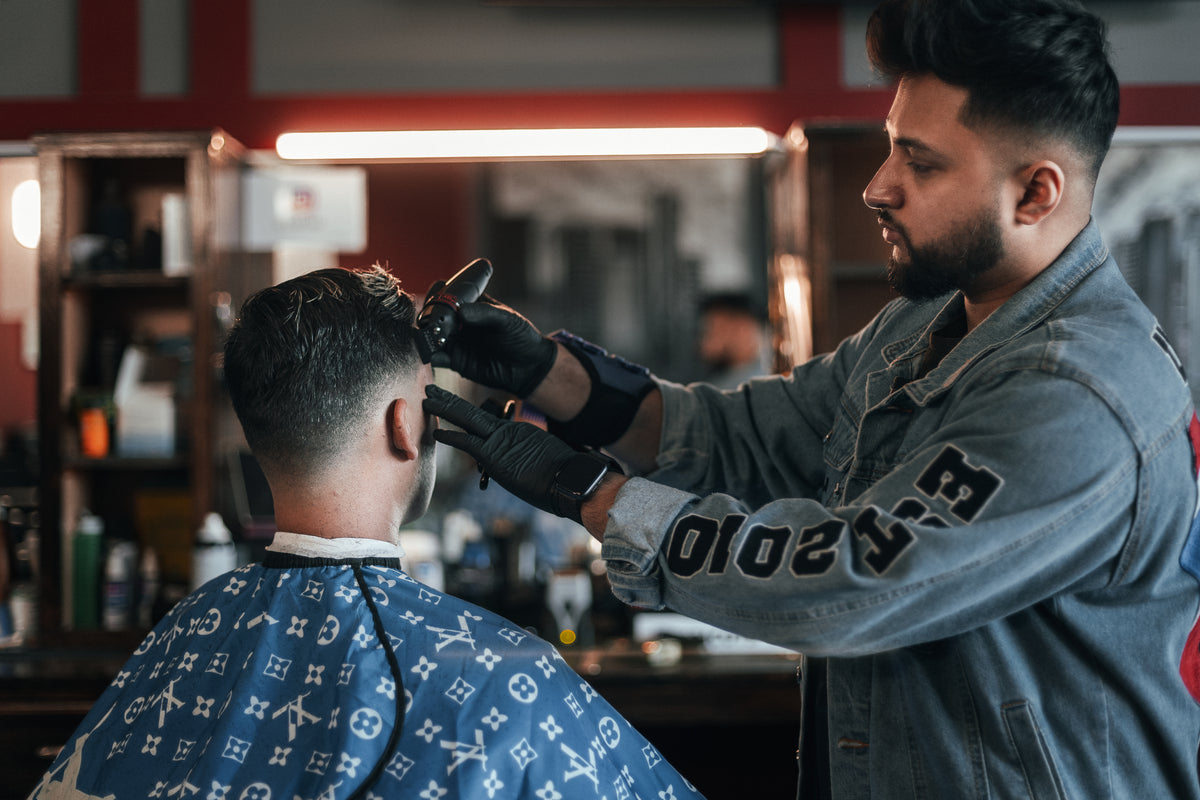
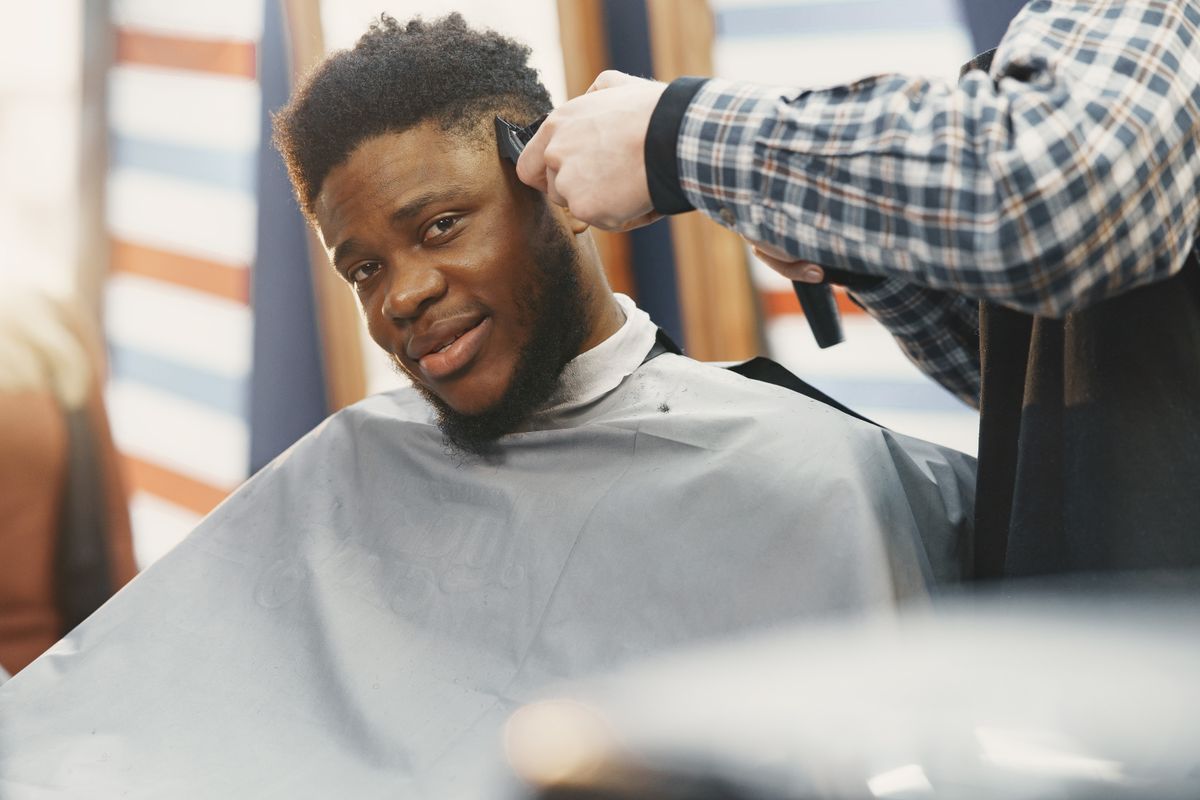
An example buzz request is: “Leave the top at the agreed longer guard and use a mid fade on the sides, with the shortest area kept to the length we have just checked.” That deliberately leaves the top decision visible. If the top is meant to be a crop or quiff, describe its shape and resting length rather than assuming it also needs one guard.
Before the first pass over the top, confirm whether you want every part clipped equally. A crew-cut shape, a longer fringe and an all-over buzz do not have the same distribution of length. If you want to keep a front section, say so explicitly. A number given for the sides should never silently become the instruction for the whole head.
Skin, zero and unguarded are not interchangeable
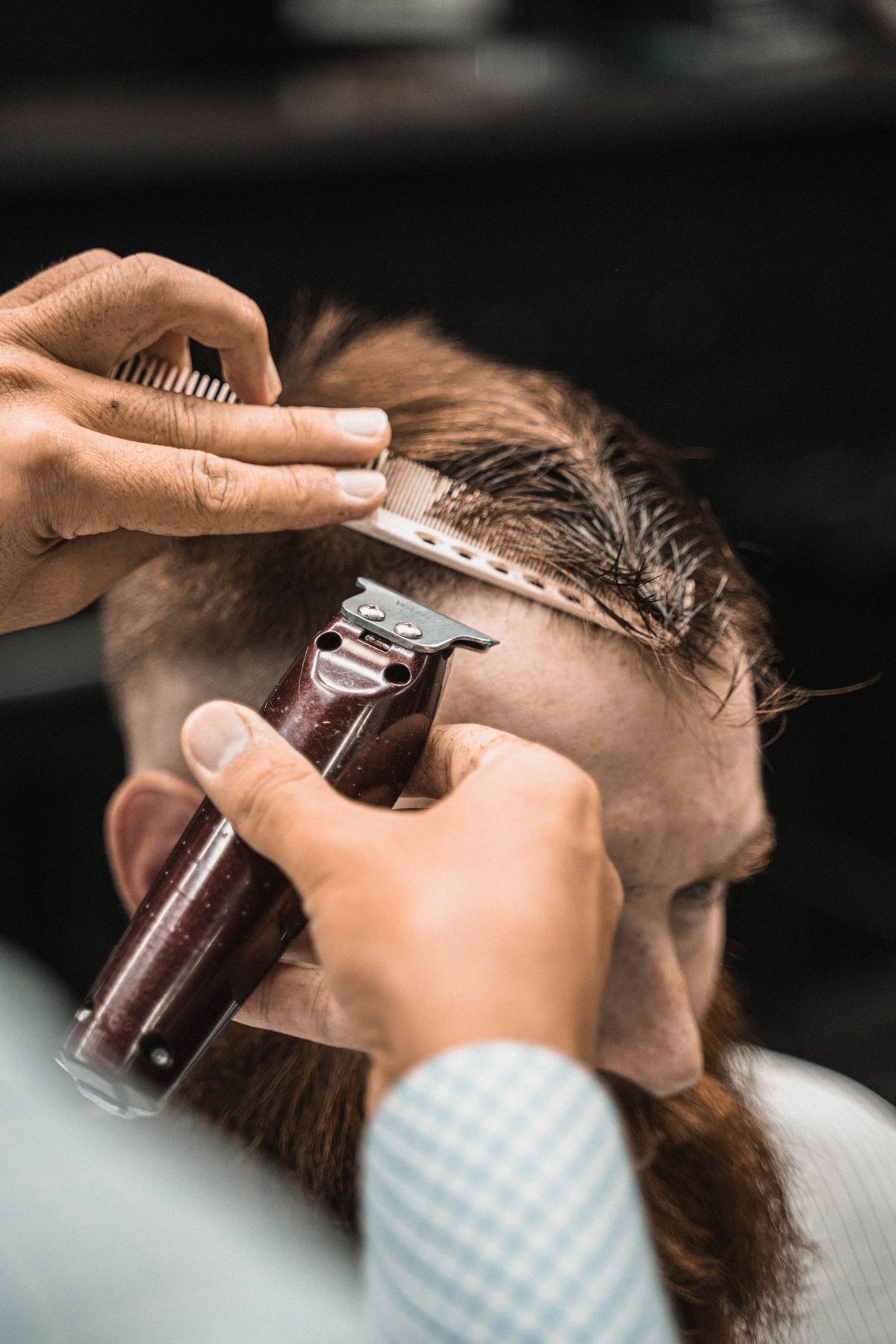
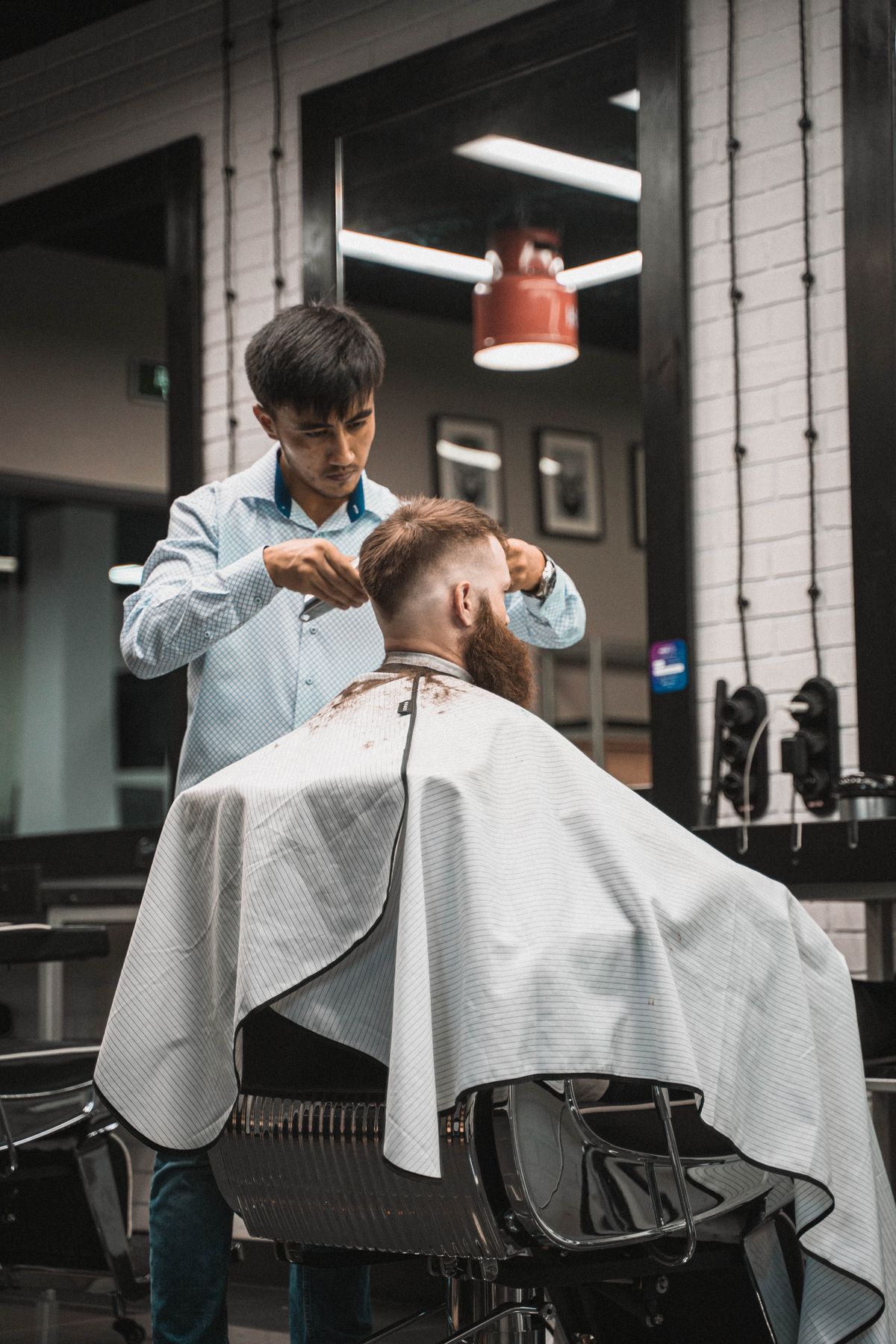
A skin finish aims for a bare appearance at the shortest area. An unguarded clipper still has a blade and a tool-specific cutting range; “zero” is not a universal measurement across every tool. Ask what finish the barber means instead of treating every use of zero as identical to a shaved result.
The practical question is whether you want visible short hair left at the base. If yes, show the coverage you prefer. If no, agree on the area intended to look bare. The distinction is important because raising the exposed area changes the visual contrast even when the top remains exactly the same length.
Why the same number can look different
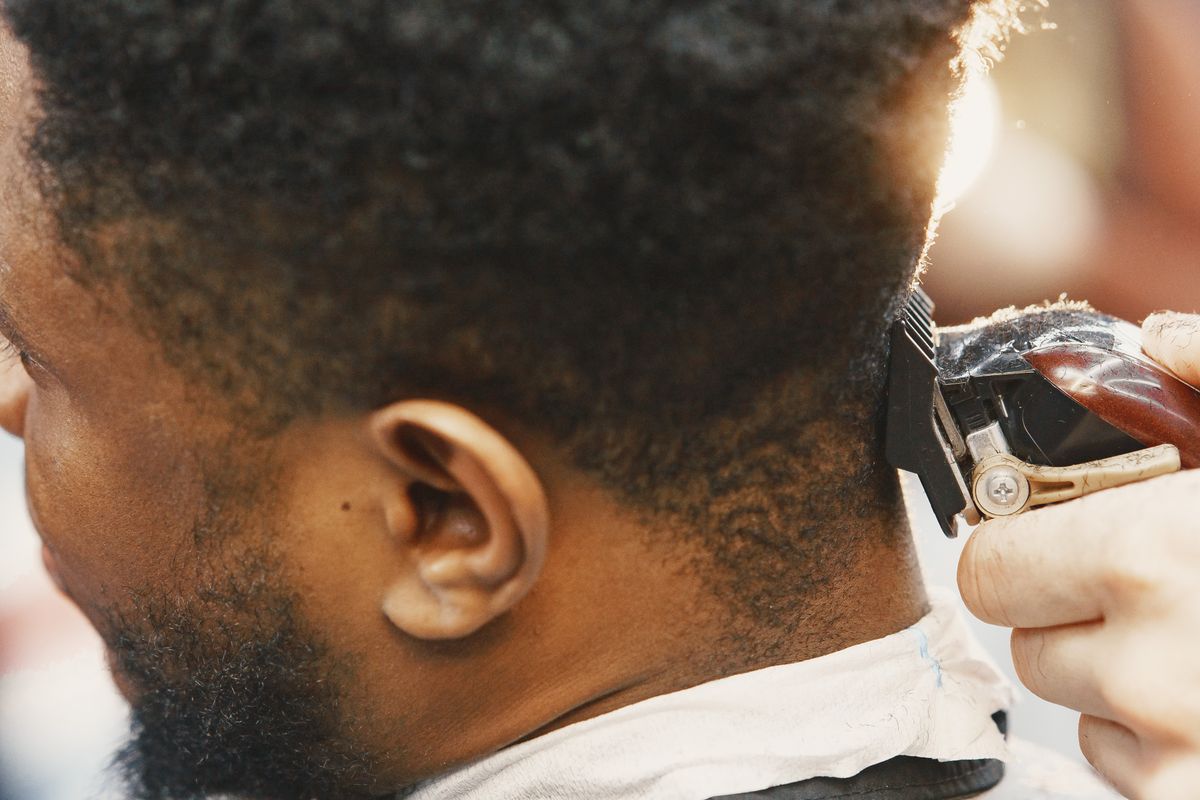
A guard chart measures a nominal cutting length. It does not measure the darkness of a finished haircut, the density of the hair or the way a crown separates. Photos also vary with lighting and angle. A number that looks full in one person’s reference can look more exposed on another person.
If you are uncertain, discuss a cautious starting length before the barber plans the blend. This is a consultation decision, not an instruction to interrupt a finished haircut with repeated requests to take it shorter. Explain that preserving coverage matters and ask how the barber can show the likely result within the booked service.
How to prepare for your first fade
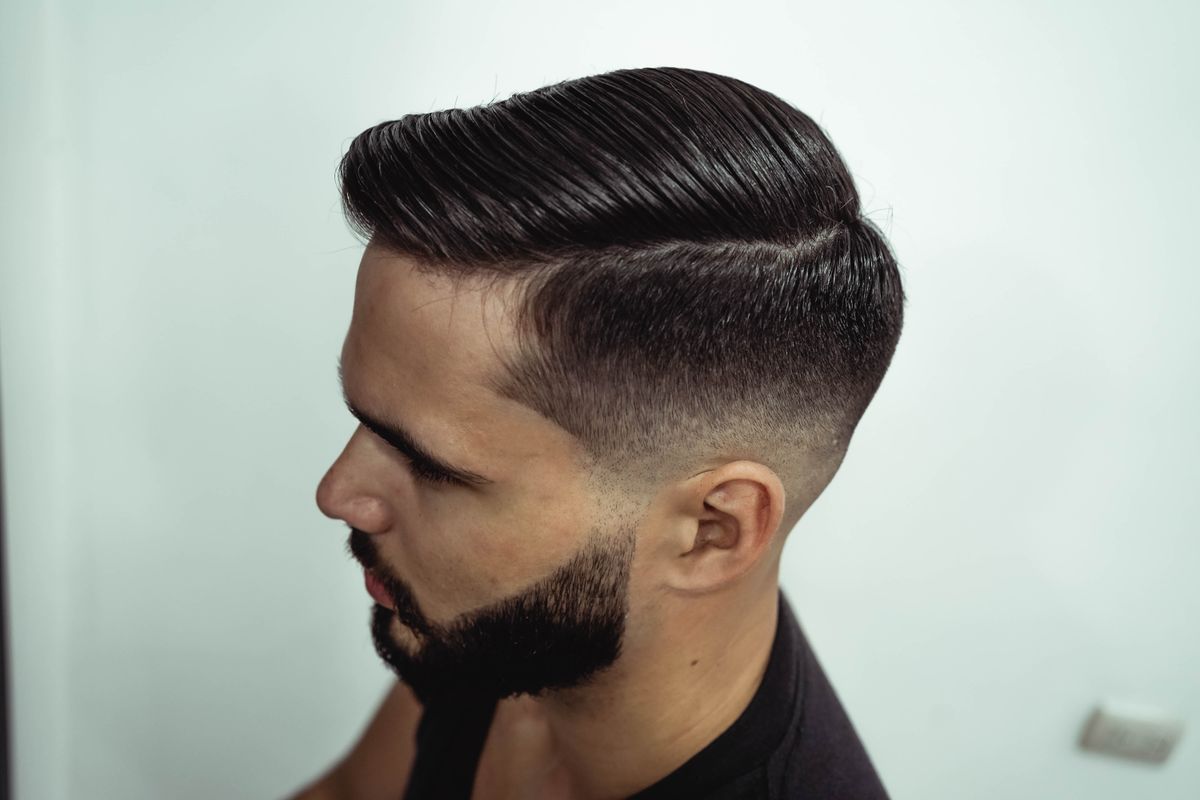
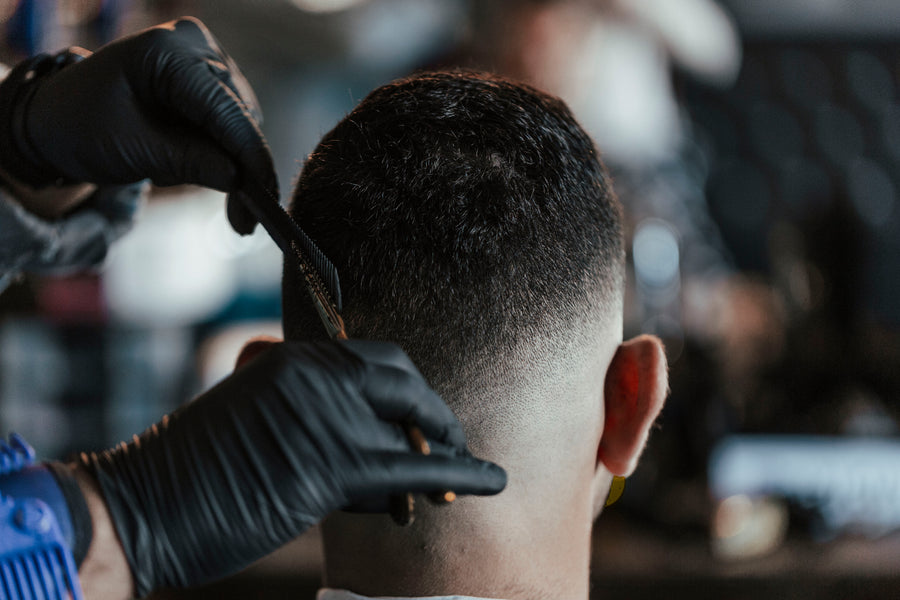
Bring one clear side reference and, if possible, a back view. Write down the part you like in each: the top shape, the amount of visible skin or the softness of the transition. If you know your previous guard length, include it with a photograph of the result. The number alone does not show whether you liked it.
Use your ordinary hairstyle at the consultation rather than a heavily altered version that conceals its direction. Tell the barber if the goal is a lower-effort routine, more coverage or a sharper outline. Those goals may matter more than reproducing the exact number mentioned in a social-media caption.
Record the result so the next visit is easier
After the appointment, record the top length if it was clipped, the shortest side finish and the contour you chose. Add front, side and rear photographs in ordinary light. Avoid a note that says only “same mid fade again.” That omits the details that decide whether the result feels the same.
After wearing the cut at home, add one observation: perhaps the crown felt too exposed, the front needed more length or the sides looked better after a little growth. At the next visit, change that detail first. Changing the top, height, shortest finish and outline simultaneously makes it difficult to understand what improved the result.
What this chart cannot tell you
No guard number guarantees that a haircut will suit a face shape or that it will remain fresh for a fixed number of days. A chart also does not teach safe blending technique. Its role here is to help you communicate with the person cutting your hair, not to provide an at-home cutting sequence.
If you are comparing two photos, describe their visible difference before comparing the claimed numbers. You might prefer more retained coverage near the crown, a softer sideburn or a longer front. Those observations remain useful even when the caption does not reveal the tools or lengths used.
Common clipper guard labels
| Guard | US inch label | UK nominal mm label |
|---|---|---|
| #1 | 1/8 | 3 mm |
| #2 | 1/4 | 6 mm |
| #3 | 3/8 | 10 mm |
| #4 | 1/2 | 13 mm |
Reference: Wahl US guard guide and Wahl UK #1–4 attachments. Check the tool markings; nominal labels are not an exact prediction of visible coverage.
Common questions
What number should I ask for with a mid fade?
There is no single number. Agree the shortest side length separately from the top length and medium blend placement.
Is a number one a skin fade?
No. A #1 attachment leaves hair; a skin finish aims for a bare appearance in the shortest area.
Can I keep a scissor-cut top?
Yes. The fade describes the sides and back. The top can retain a shape and length agreed separately.