A five-point appointment brief
| Decision | Option | What to check |
|---|---|---|
| Top | Name the direction and dry resting length | Do not rely on “a bit off.” |
| Sides | State the fade coverage and approximate height | Use a side reference. |
| Shortest finish | Skin or visible short hair | Ask to see the planned area. |
| Edges and beard | State which outlines may change | Preserve length deliberately. |
| Routine | Explain what tools you use at home | Ask for a repeatable finishing demonstration. |
What to ask for at the barbershop
“Give me a mid fade” leaves several decisions open. The name does not establish the top length, shortest setting, fringe shape, hairline or beard finish. Work through those choices before cutting starts, especially if this is your first visit to that barber.
- Show the result you like. Bring a side and back view as well as the front. Point to specific features instead of assuming the entire photo is your request.
- Choose the shortest length. Say whether you want skin, stubble or visible coverage. If you are unsure, ask to see what the setting means on your hair.
- Agree on the transition height. Ask the barber to indicate where the fade will sit. “Mid” is a useful description, but not a precise line drawn on every head.
- Set the top length and direction. Explain whether you wear it forward, to the side, back or naturally curly. Describe the dry result you want.
- Confirm the edges. Discuss the front hairline, temples and neckline. Mention whether you prefer a natural finish or a defined outline.
- Explain your routine. Tell the barber how much time you spend styling, what products you use, and how often you can return.
When your reference is unrealistic
A reference may have thicker hair, a different curl pattern, professional styling or strong lighting that changes the appearance of the blend. Ask which parts can transfer to you and which need adapting. A useful consultation ends with a version of the look that works on your head, rather than a promise to reproduce a photograph exactly.
Look at the back with a mirror, check the sides with your glasses on if you wear them, and ask how to recreate the finish at home. If something looks different from what you discussed, point it out while the barber can still assess it.
Your cut.
In plain words.
Build a starting brief for your barber. Pair it with a real photo showing the sides and back, then agree on the details before the clippers come out.
Guard numbers describe length, not fade height. Ask your barber to explain the shortest setting rather than guessing.
How to choose reference photos
Save a side view and a back view whenever possible. The front alone cannot show how far a fade wraps around or where it stops behind the ear. Look for similar texture, density and hairline so the conversation starts from a realistic comparison.
If you like the top in one photo and the sides in another, identify those parts clearly. Ask whether they work together at your current length. A barber may need to adapt the connection between them, rather than simply combining two pictures.
What to confirm before the clippers start
- The transition height, indicated on your own head.
- The shortest finish: skin, stubble or visible coverage.
- The dry top length and direction.
- The hairline, neckline and beard connection.
- Your daily styling limit and plan for the next appointment.
For terminology, revisit fade vs taper. If the reference has a different texture, use the hair type guide to decide what needs adapting.
How to make the consultation specific without overcomplicating it
Start with one priority
Tell the barber what matters most: keeping the curls, reducing side bulk, avoiding exposed scalp or getting a top that needs less styling. That priority makes the trade-offs easier to discuss. A list of unrelated haircut names can hide what you actually want.
Follow with what you like about your reference. “The side profile is what I want; I do not want the shaved part” is a clear distinction. If the photo includes a beard, mention whether you want that detail or only the haircut.
Explain the previous problem
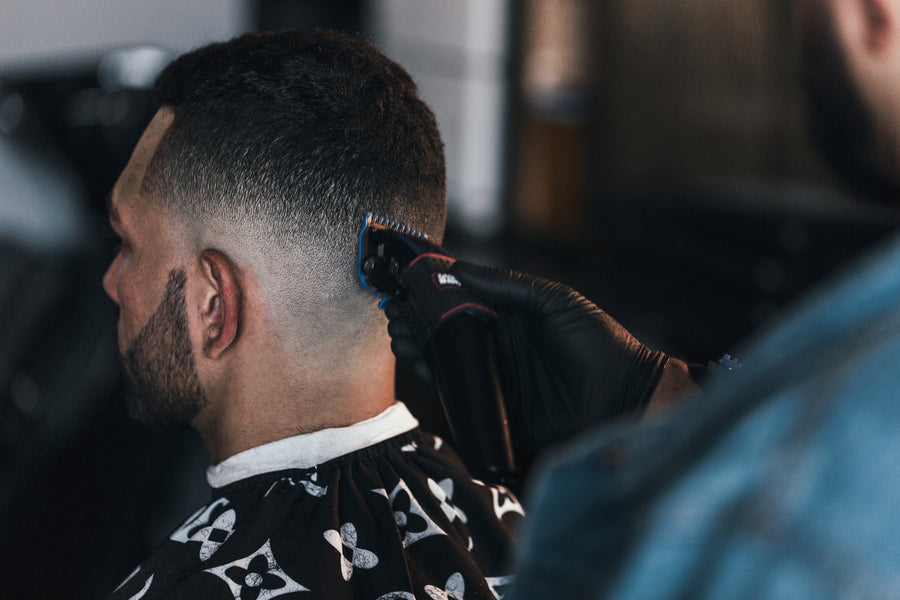
A past haircut can be a useful starting point even if you disliked it. Describe what went wrong: the front became too short, the upper sides stuck out, the beard lost fullness or the back felt too exposed. Specific observations are easier to act on than “it did not suit me.”
If you have a photo from the day it was cut and another from later, show both. The difference can reveal whether you disliked the initial shape or only the way it grew. Those lead to different adjustments.
Check the words you both use
Ask what the barber means by mid, taper or skin in this particular request. Have them indicate the placement and explain the shortest setting. A short confirmation now is easier than discovering afterward that you pictured different amounts of coverage.
You do not need to prescribe every tool or blending step. Explain the result and let the barber choose the method after assessing your hair. If a technique is recommended, ask what it is intended to change.
Details to discuss in the chair
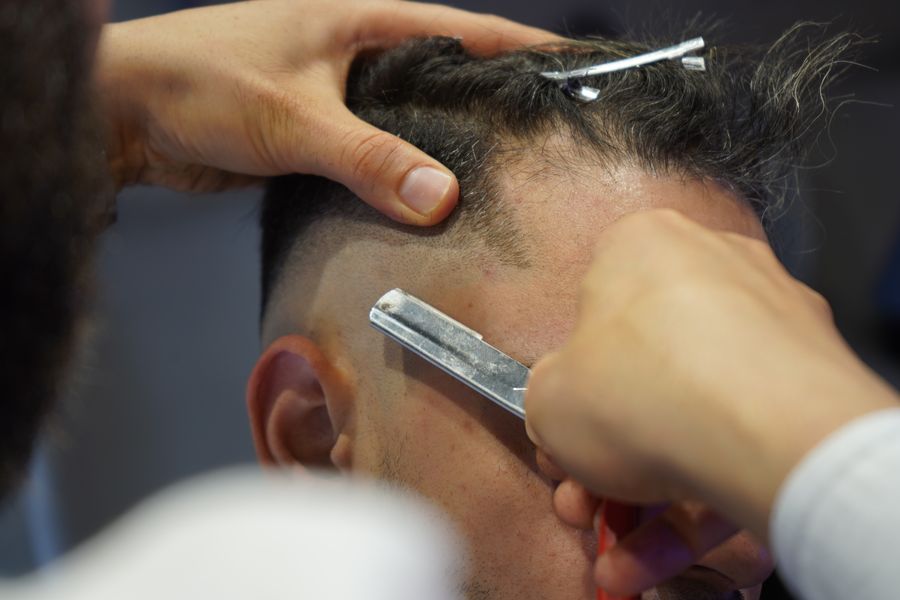
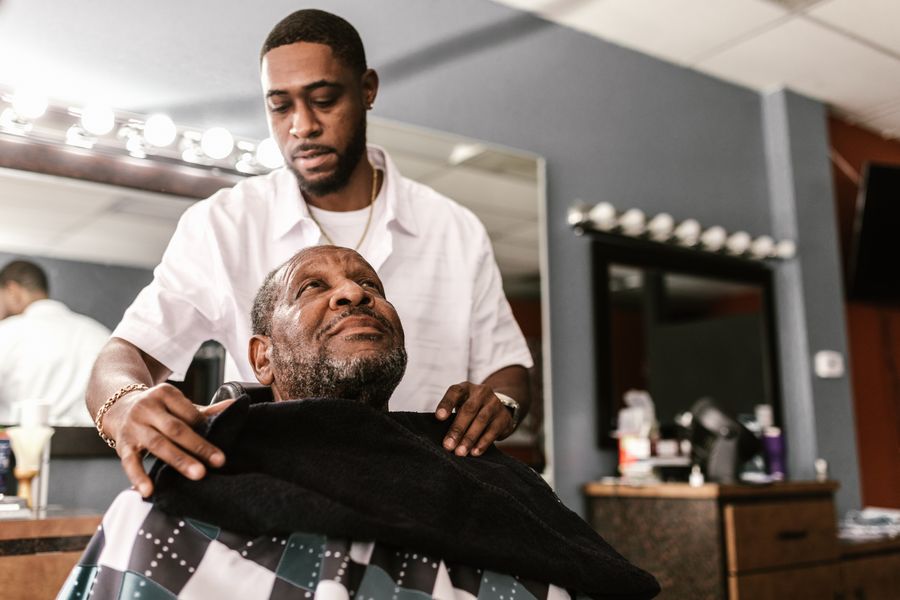
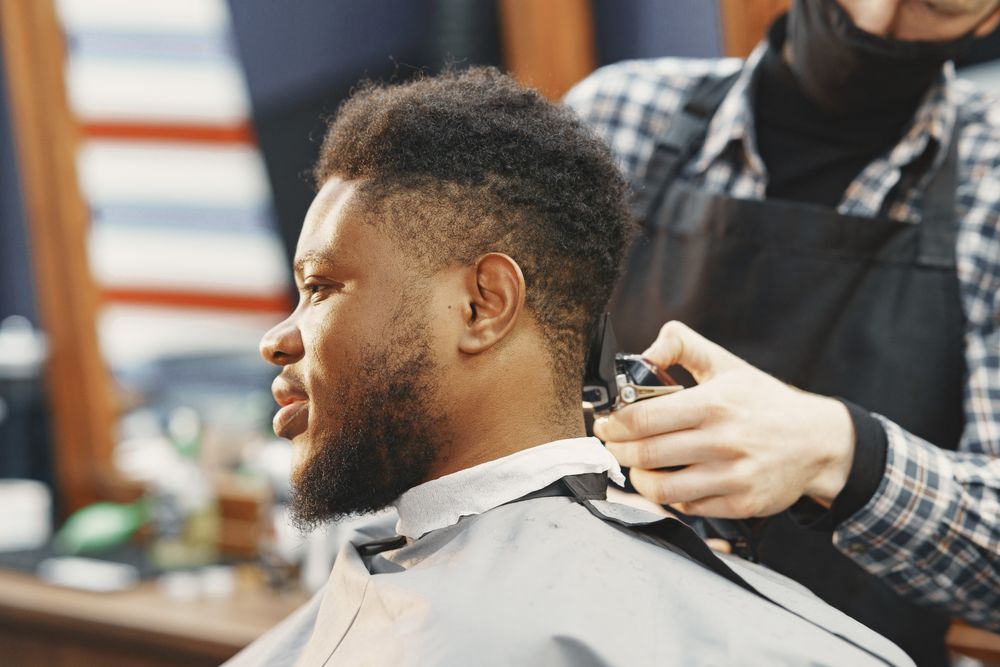
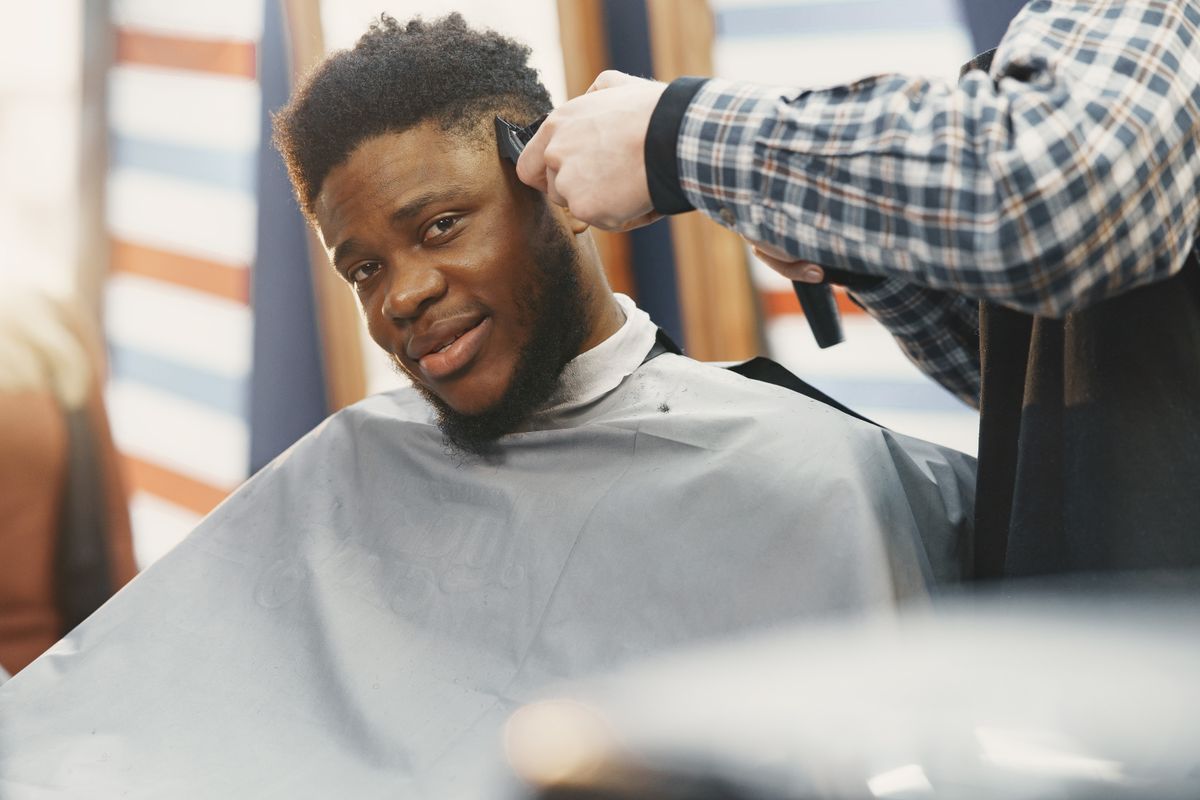
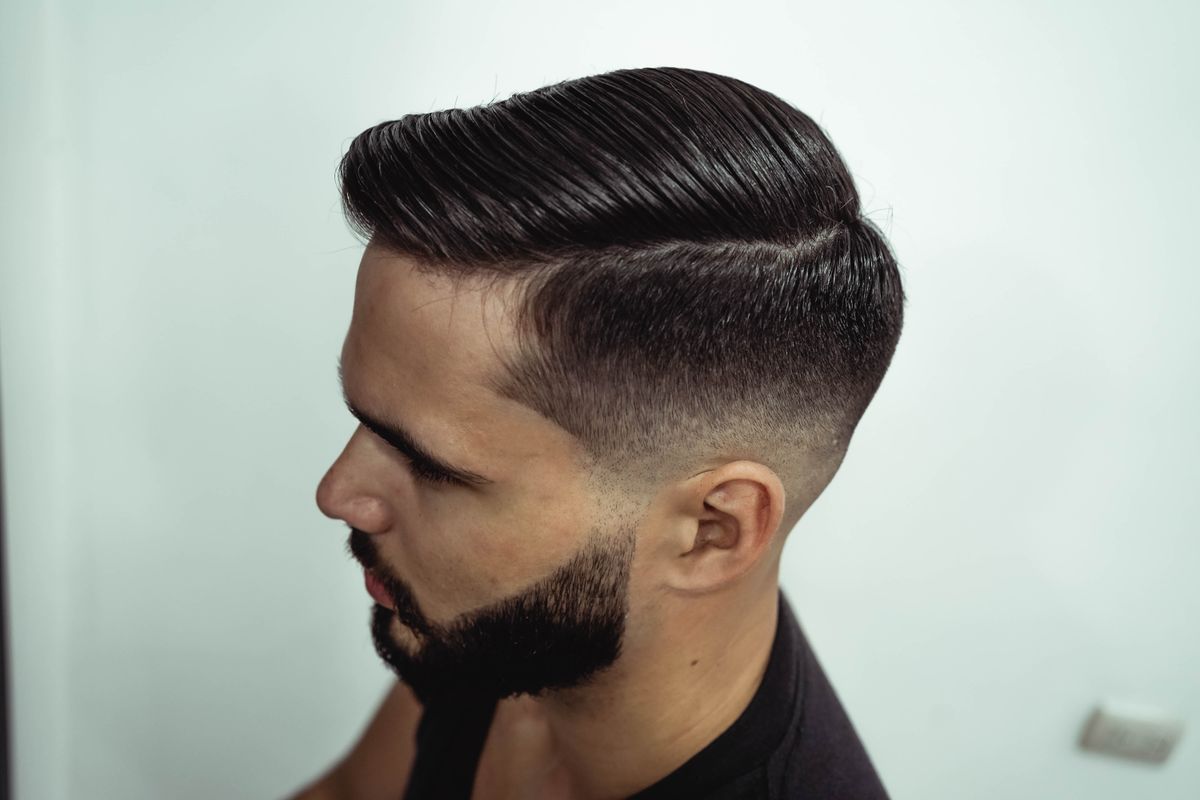
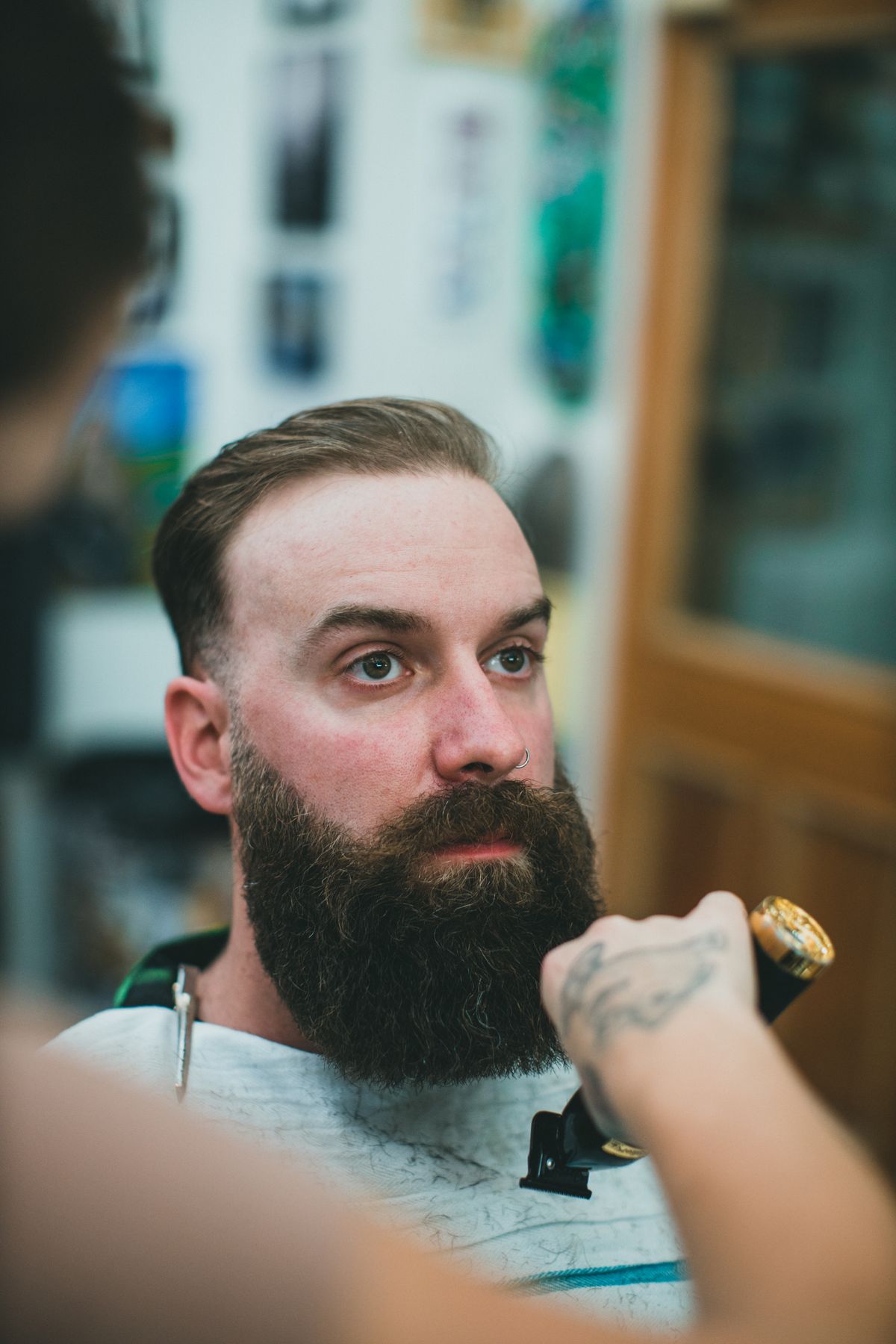
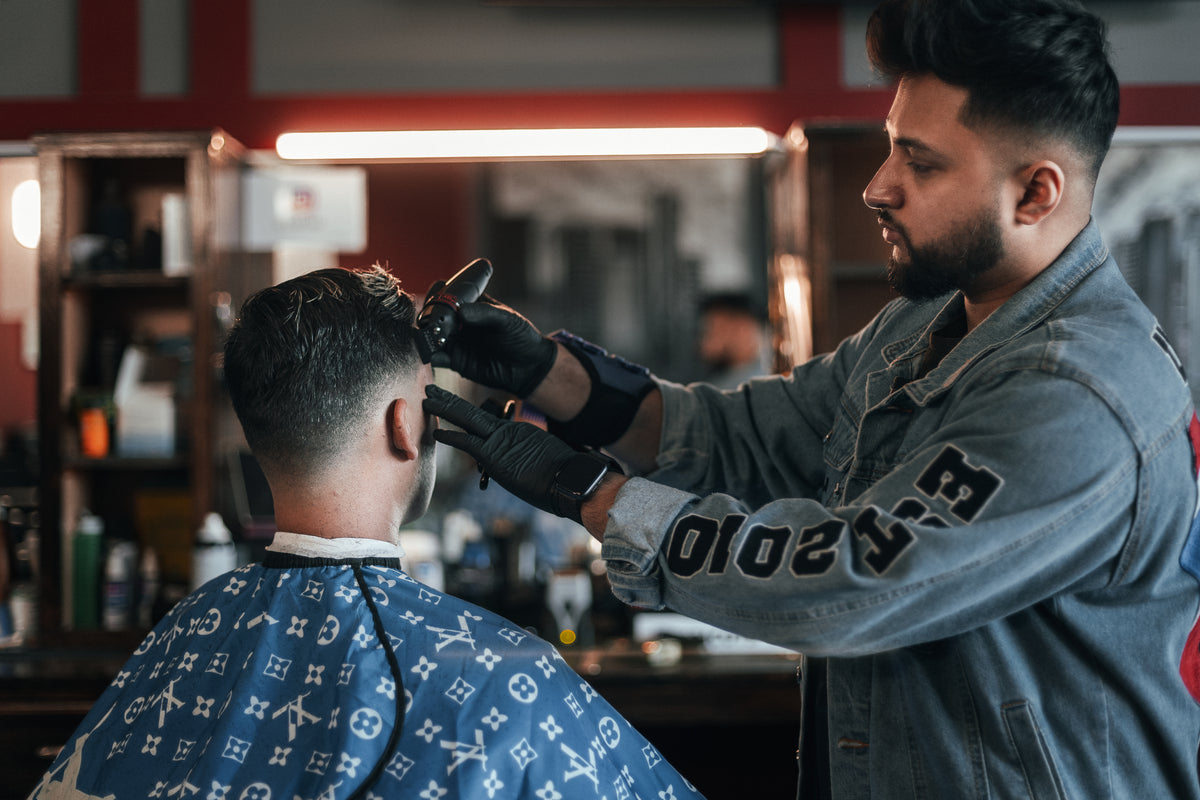
Use the reference notes to describe your preference. These are real grooming photos, not a verified gallery of exact mid-fade variations.
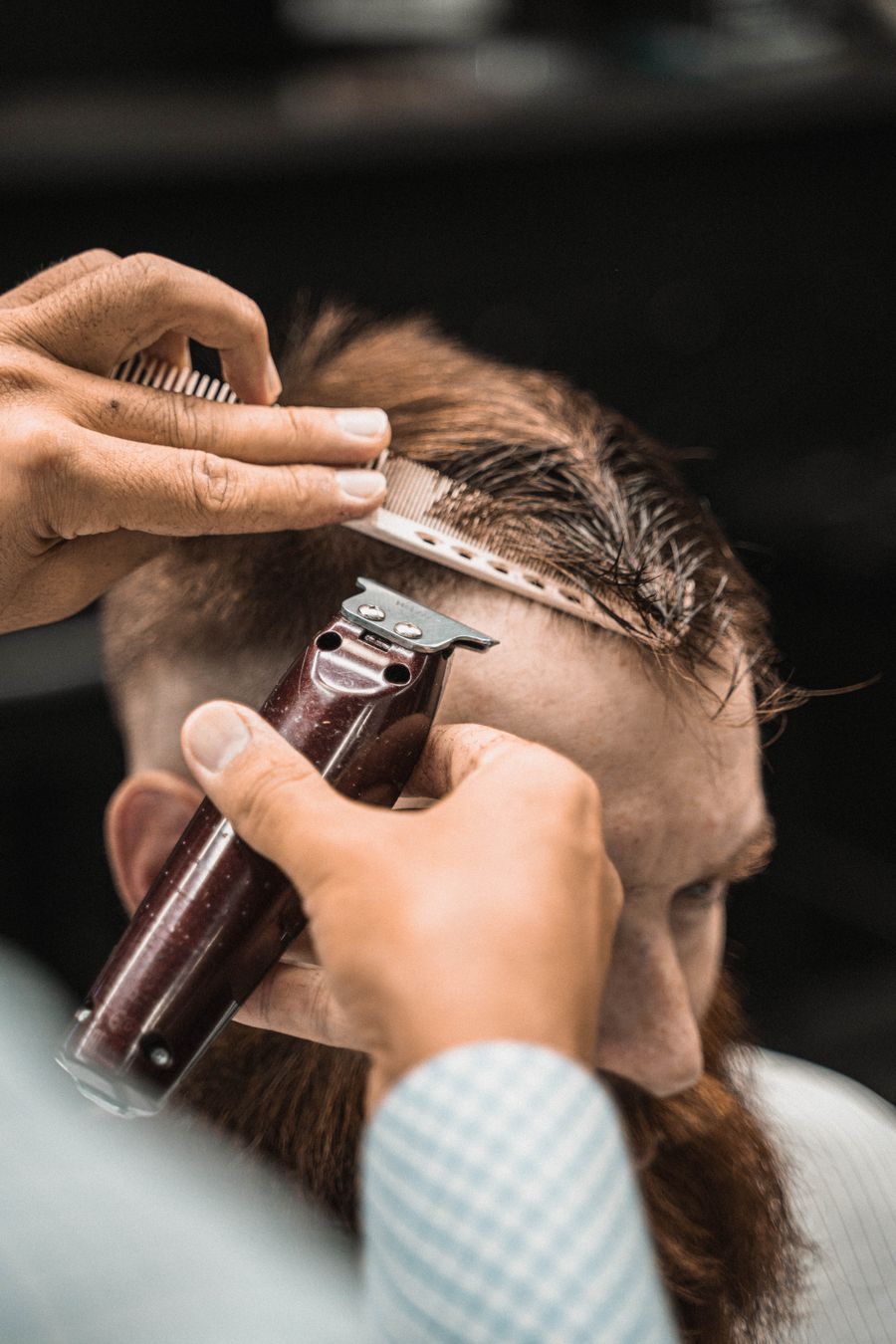
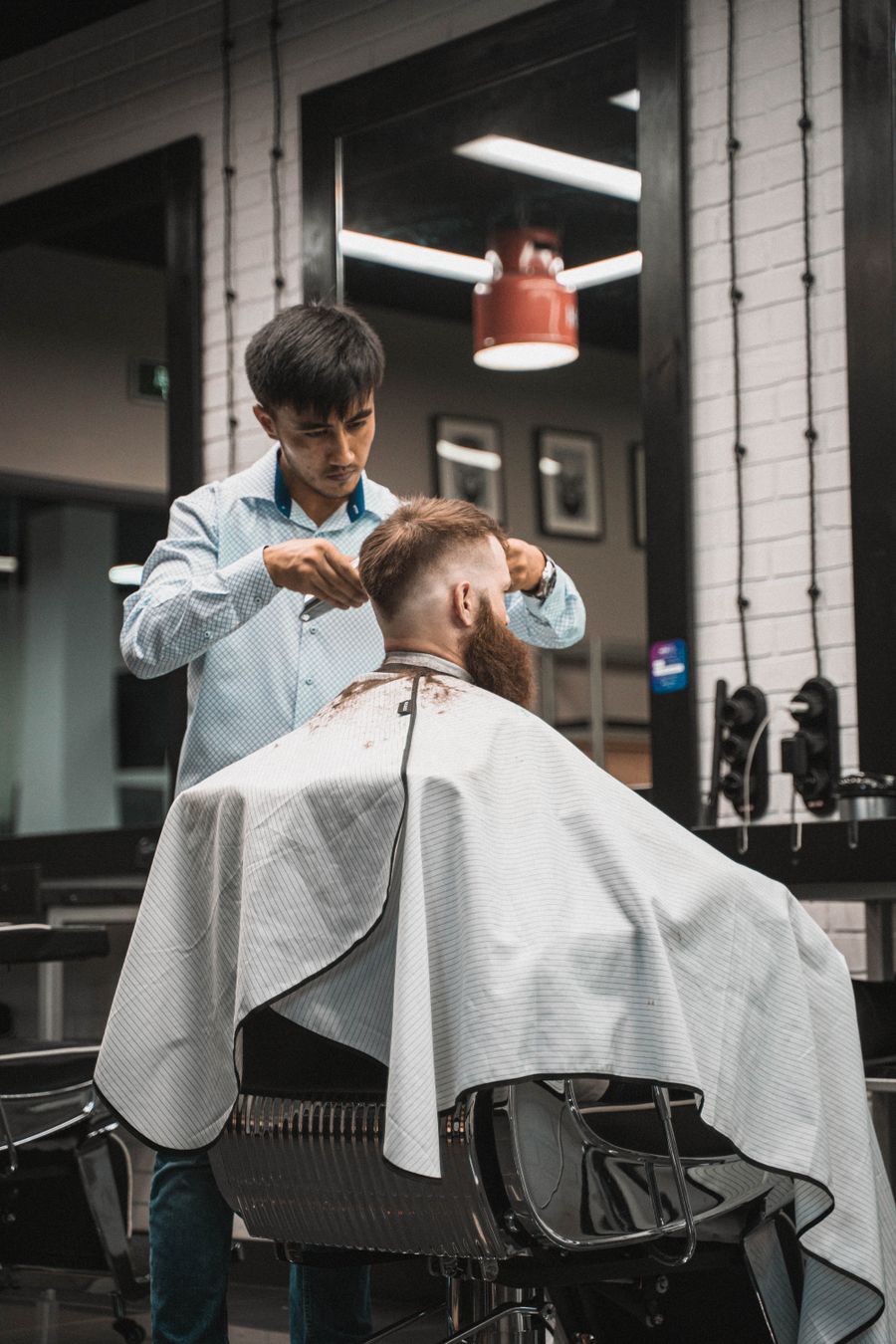
What to check during the finish and at your next visit
Look at the top without forcing it
Ask how the hair will sit after a normal wash. If the finish uses a dryer or product, have the barber explain the direction and amount. You want to understand the routine well enough to repeat it, not simply leave with a photo-ready result you cannot recreate.
If you normally wear glasses, check the side shape with them on. If you wear a helmet or cap daily, discuss how you can reset the top afterward. Practical details belong in a haircut consultation because they affect how you wear the result.
Check the side and back views
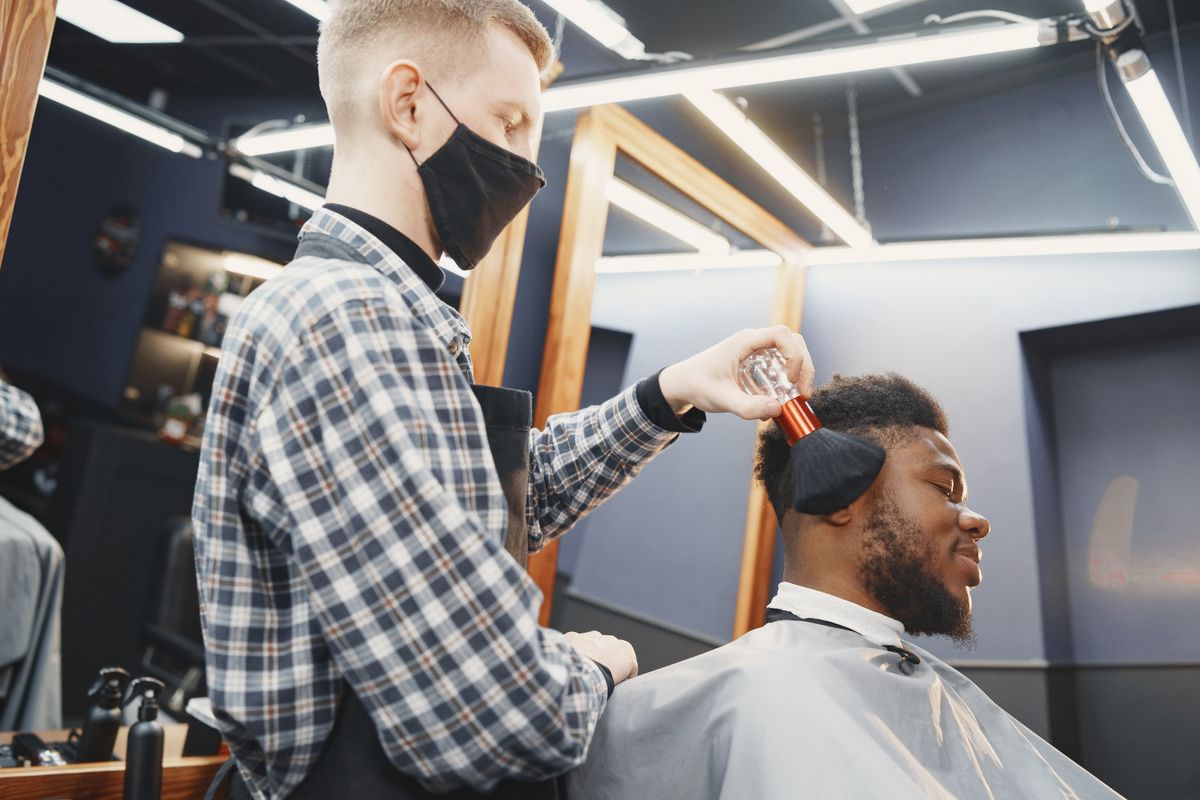
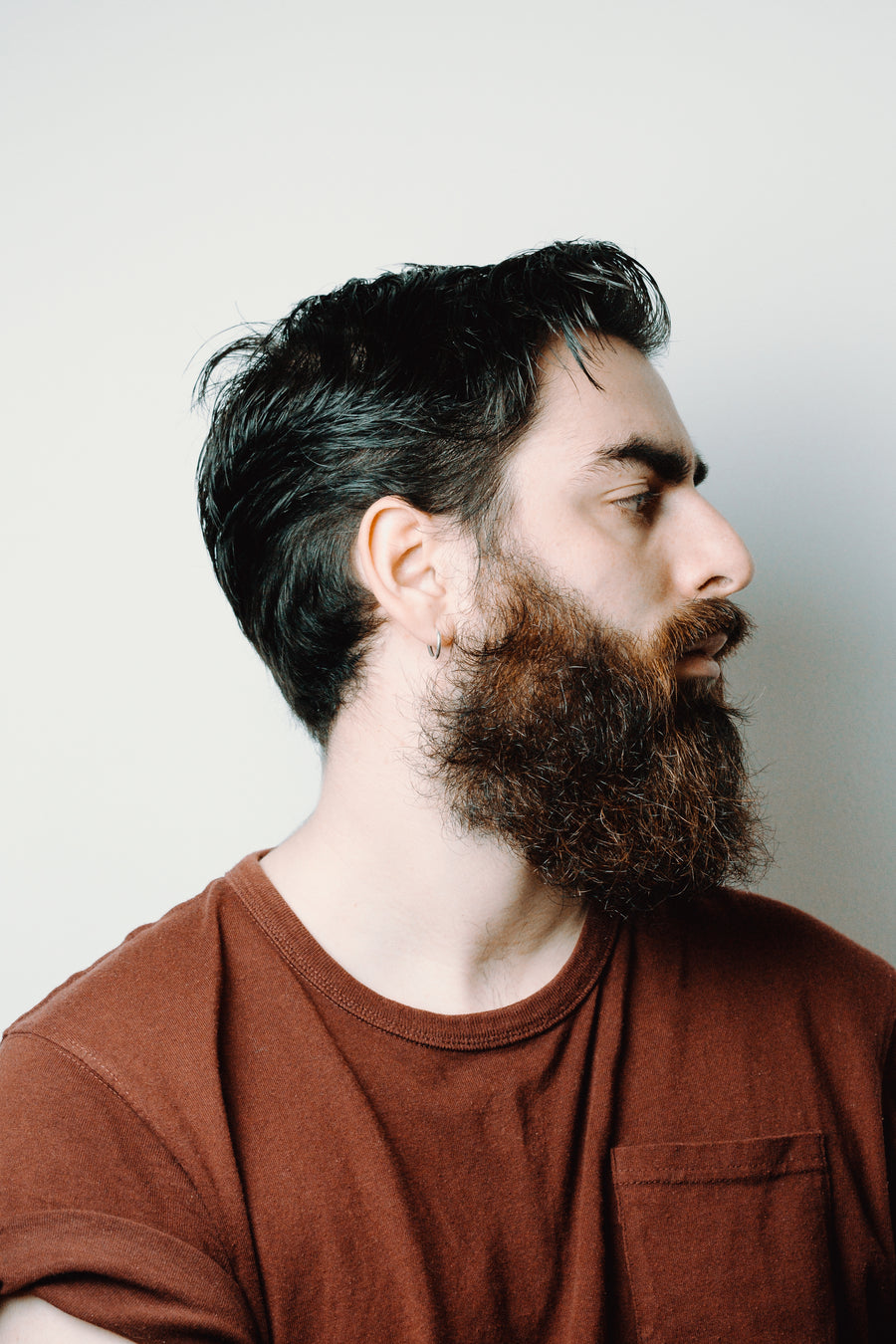
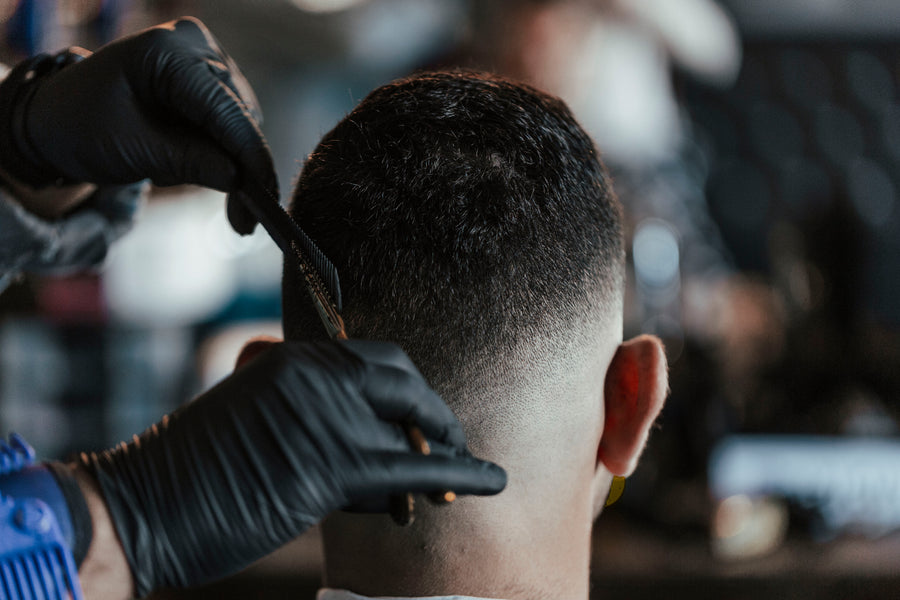
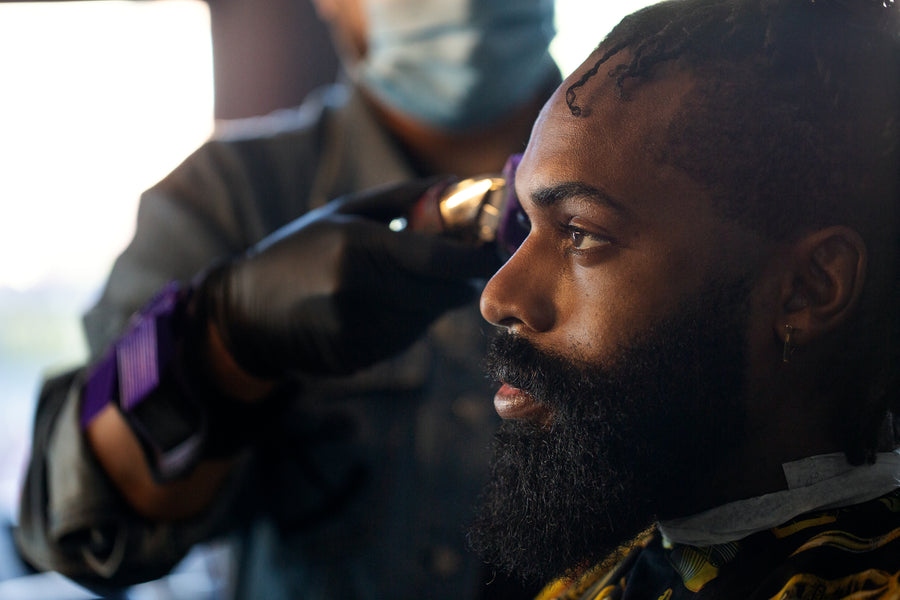
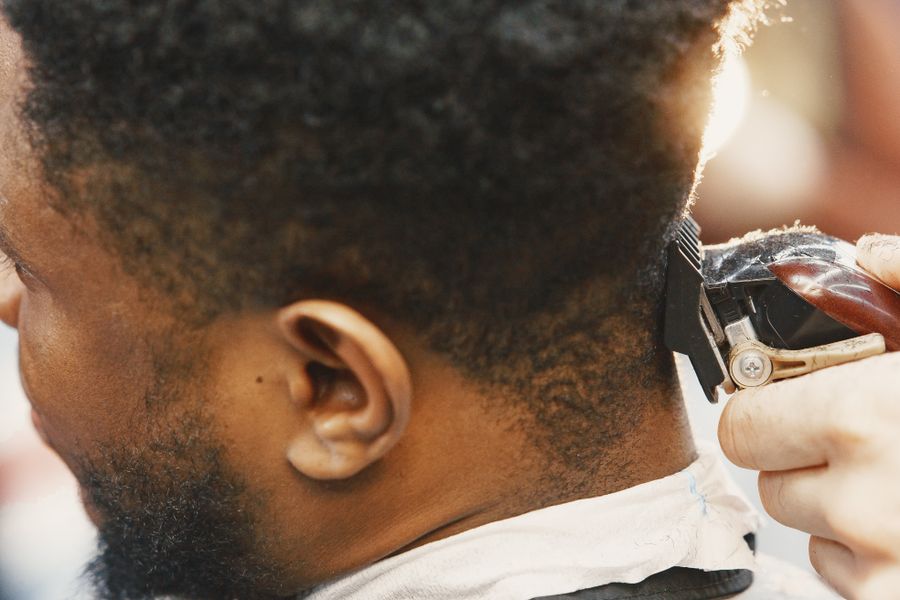
Use the mirror to look at the silhouette, the area behind the ear and the neckline. Confirm the beard connection if it was included. If something differs from what you agreed, point to the area and ask about it while the barber can assess it in person.
If it feels too short, identify which part. The top length, shortest side finish and fade placement are separate pieces of feedback. Taking another area shorter will not restore the length you wanted to keep.
Give one useful adjustment next time
Keep a brief note as the cut grows. You might say the top worked but the upper sides became bulky, or that you liked the sides but the fringe was difficult to control. Ask how one adjustment would affect the rest of the shape rather than changing everything at once.
For ideas on recording the grow-out, read the maintenance guide. The aim is a repeatable conversation about your haircut, not a script you must follow word for word.
Details to discuss in the chair
Use the reference notes to describe your preference. These are real grooming photos, not a verified gallery of exact mid-fade variations.