Choose by what you want to do with the top
| Decision | Option | What to check |
|---|---|---|
| Little daily shaping | Buzz cut | Choose top coverage and natural edges. |
| Forward texture | Crop or fringe | Decide on a blunt or broken front. |
| Natural movement | Curly, wavy or coily top | Choose the dry outline to preserve. |
| Lift away from the face | Quiff | Check the front length and styling routine. |
| Defined direction | Side part | Choose natural separation or a shaved detail. |
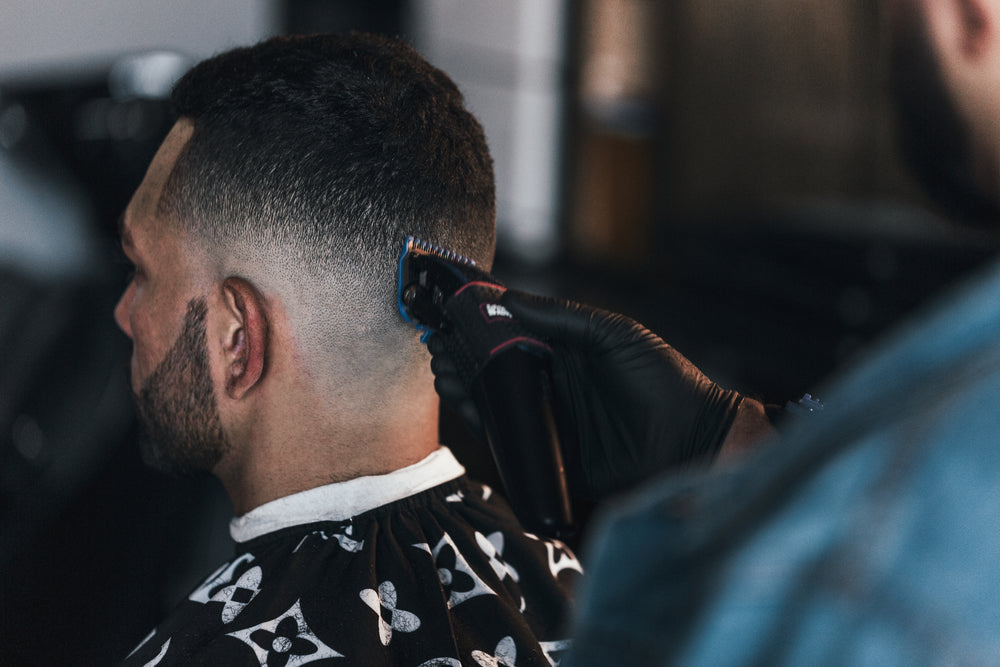
A mid fade is the blend placement around the middle of the sides and back. To choose the haircut, decide separately on the top style, shortest side length and overall shape.
How to choose between these styles
First choose the direction you want to wear the top: forward, across, back or naturally textured. Then choose how close you want the sides. Those decisions narrow the options more effectively than picking a style because it is labeled “best.”
Short options reduce daily styling, while longer tops give you more ways to change direction. A close finish adds contrast but exposes more scalp. If two photos appeal to you, identify the feature you like in each rather than requesting an undefined mixture.
For texture-specific considerations, read the hair type guide. If the names are confusing, compare fade height, finish and taper coverage before choosing.
One fade. Different personalities.
The fade describes the sides. Your texture, top length and styling routine decide the rest.
Mid fade + textured crop
Straight or wavyForward stylingA short top worn forward puts the emphasis on texture. Decide how much forehead you want to show before choosing the fringe length.
What to ask your barber ↗
“A mid fade with a short, textured top worn forward. Keep the fringe soft. Show me the length before taking more off.”
Mid fade + natural curls
Curly or coilyNatural volumeKeep the shape through the top while reducing bulk at the sides. Discuss dry length: curls can look much shorter once they spring back.
What to ask your barber ↗
“Keep my curl pattern and enough length to show it. Blend the sides at a mid height and check the shape when the hair is dry.”
Mid fade + buzz cut
Short topMinimal stylingA clipped top keeps the daily routine simple. Low styling effort does not mean no maintenance: a close fade shows new growth quickly.
What to ask your barber ↗
“A buzz cut with a mid fade. Let’s agree on the top guard and the shortest length on the sides before you start.”
Mid fade + side part
Straight or wavyA little structureKeep enough top length to comb across without forcing a hard line. A natural part can be softer and easier to change than a shaved part.
What to ask your barber ↗
“Keep my natural part and enough length to comb across. Blend the sides without taking the corners too high.”
Mid fade + wavy fringe
Wavy hairNatural movementLeave movement through the front instead of flattening it. Check where the fringe lands when dry, and whether you want it on or above your eyebrows.
What to ask your barber ↗
“Keep the wave at the front and lighten the bulk without removing all the length. I want the fringe to sit naturally when dry.”
Mid fade + swept-back top
Medium lengthSome stylingA longer top can be pushed back while the sides stay close. The trade-off is more drying time and enough length to keep the front from falling forward.
What to ask your barber ↗
“Leave enough length to sweep back. Keep the blend below the fuller top and show me how to dry it into place.”
Mid fade + short coils
Coily hairCompact shapeA shaped, short top can keep the natural coil pattern visible. Agree on the dry silhouette and how sharply you want the temples and hairline defined.
What to ask your barber ↗
“Keep a compact natural shape on top. Blend the sides at mid height and preserve my natural hairline rather than pushing it back.”
Mid fade with a longer finish
Any textureMore coverageA fade does not have to go down to skin. Leaving some visible hair at the shortest point creates a softer contrast and can feel less dramatic for a first fade.
What to ask your barber ↗
“I want a mid fade with visible hair at the bottom. Please show me the shortest setting before starting.”
Mid fade with a blended beard
With facial hairConnected finishThe sideburn is the meeting point between haircut and beard. Decide where the beard should stay dense so a blend does not remove fullness you wanted to keep.
What to ask your barber ↗
“Blend the sideburn into my beard but keep fullness through the cheek and jaw. Let’s agree where the blend ends.”
Face shape is a starting point, not a rule
A face-shape chart cannot tell you exactly which haircut to get. Two people with similar faces can have different hairlines, head shapes and growth patterns. A better approach is to decide whether you want more height, more width or less contrast, then discuss how the top and sides can work together.
| YOUR GOAL | DISCUSS WITH YOUR BARBER | CHECK BEFORE CUTTING |
|---|---|---|
| Less visual height | A lower, softer top or fringe | How the front sits when dry |
| More height on top | Enough length and support through the front | Whether styling is needed to hold it |
| Less exposed scalp | A longer shortest setting | A sample of the proposed length |
| Keep width at the temples | Preserving weight at the upper sides | Where the blend meets the top |
| Keep the beard full | A limited sideburn transition | Where the beard blend stops |
Think about the hairline and crown
A fringe may be easy to wear if your hair naturally falls forward. It can be a daily battle if the front grows strongly upward. The crown can also separate when cut too short. Ask your barber to look at those areas before you commit to the top length.
If you wear glasses, bring them. The side shape and the arms of the frames meet in the same area. If you spend most days wearing a helmet or cap, explain that too. These are ordinary details that can matter more to daily comfort than a trend name.
Price, appointments and what to compare
A universal mid fade price would be misleading. The city, barber, appointment length and included services can all change the cost. Check the shop’s own booking page or ask directly. Confirm whether a wash, beard work or a separate design is included rather than assuming it is part of the haircut price.
Compare the ongoing commitment as well as one appointment. A cut you want refreshed frequently can cost more over time than a slightly longer finish you are comfortable growing out. Ask what a normal maintenance appointment involves and whether the top needs cutting every time.
A practical first-visit checklist
- Save two or three clear references with similar hair texture to yours.
- Decide what matters most: soft contrast, a close finish, curl shape or easy styling.
- Confirm the service and price before booking.
- Arrive with your hair in a condition that lets the barber assess its usual behavior.
- Leave enough consultation time, especially when changing from a longer style.
- Keep a photo of the finished cut and notes on what you would adjust next time.
The best choice is the one you can explain, maintain and enjoy wearing between appointments. Use the barber brief builder to put your preferences into a few clear sentences, then let the consultation refine the details.
Turn the shortlist into a clear request
Pick one top direction, save a side and back reference, and decide what you do not want taken shorter. The next step is a consultation, not memorizing a particular guard combination.
Use the barber checklist and brief builder to separate the decisions. After the cut, the styling and grow-out guide can help you explain what needs adjusting next time.
The details that change each mid fade style
Fringe: soft, blunt or away from the face?
Two crops can share a similar side blend and still feel completely different because of the front. A soft, separated fringe leaves a less definite edge. A blunter fringe creates a stronger horizontal line. Wearing the hair away from the face makes the hairline more visible. Show the front detail you like rather than assuming “crop” settles it.
If you want a fringe, agree where it should sit when dry. Check whether it needs to be pushed into position or falls there naturally. Ask how the front will behave after washing, because the styled finish in the chair may use more direction or product than you normally use.
The upper corner: connected or more separated?
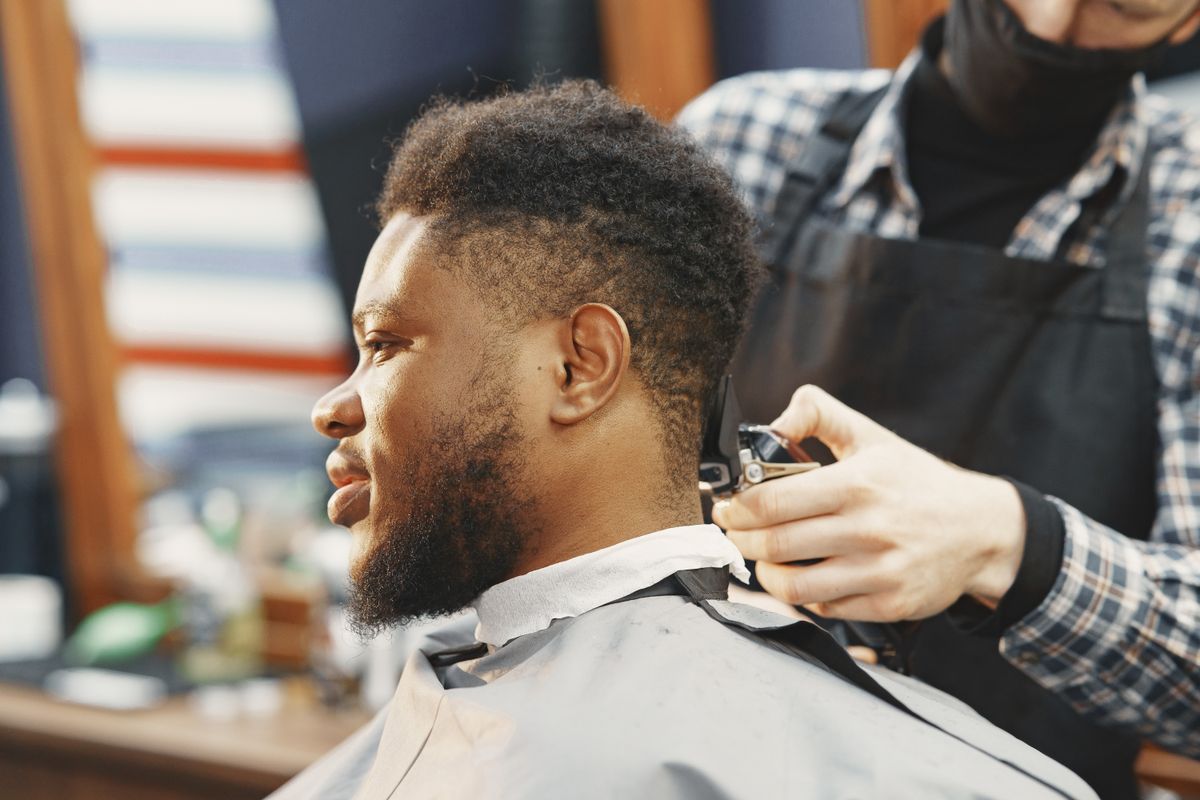
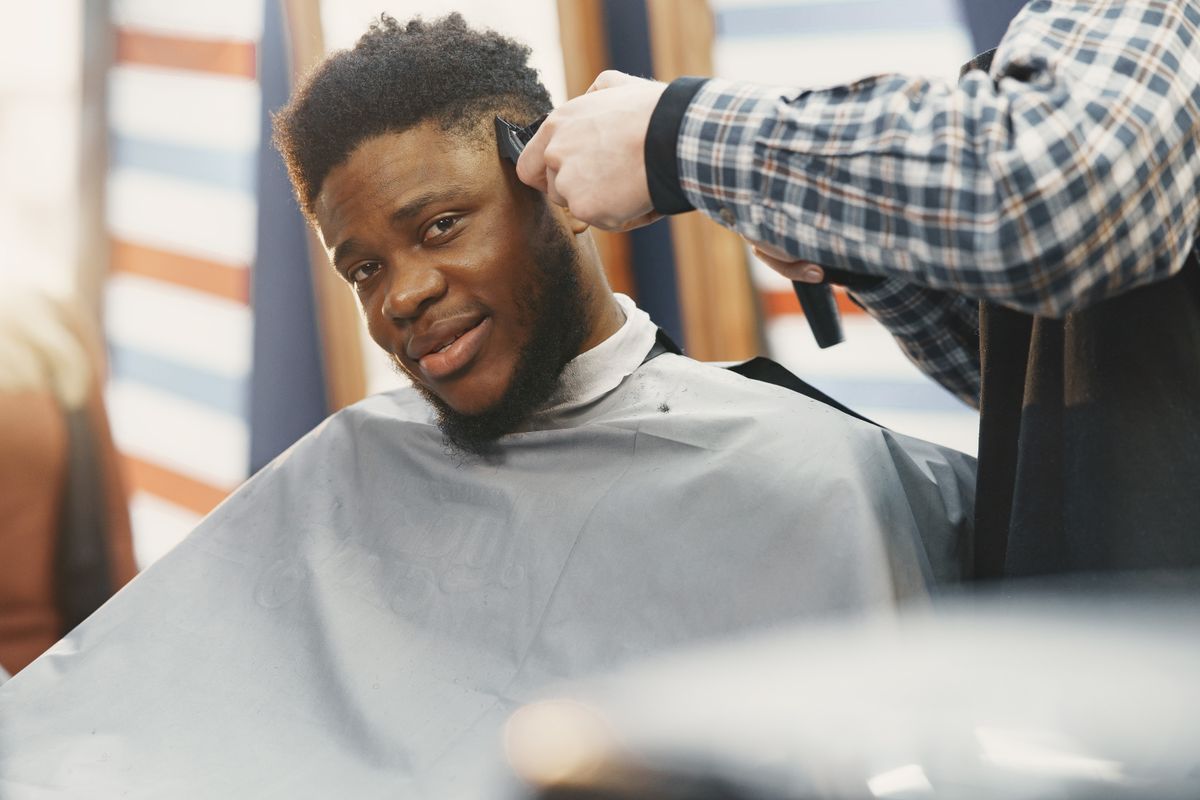
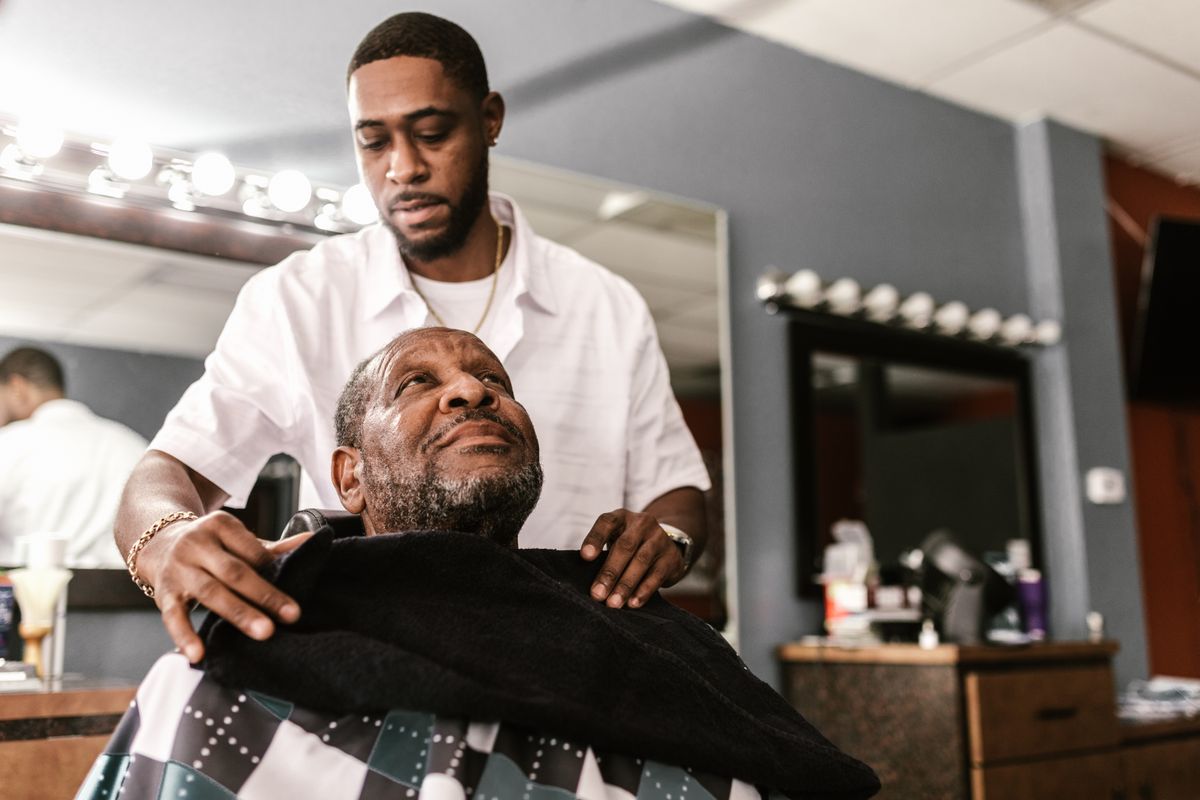
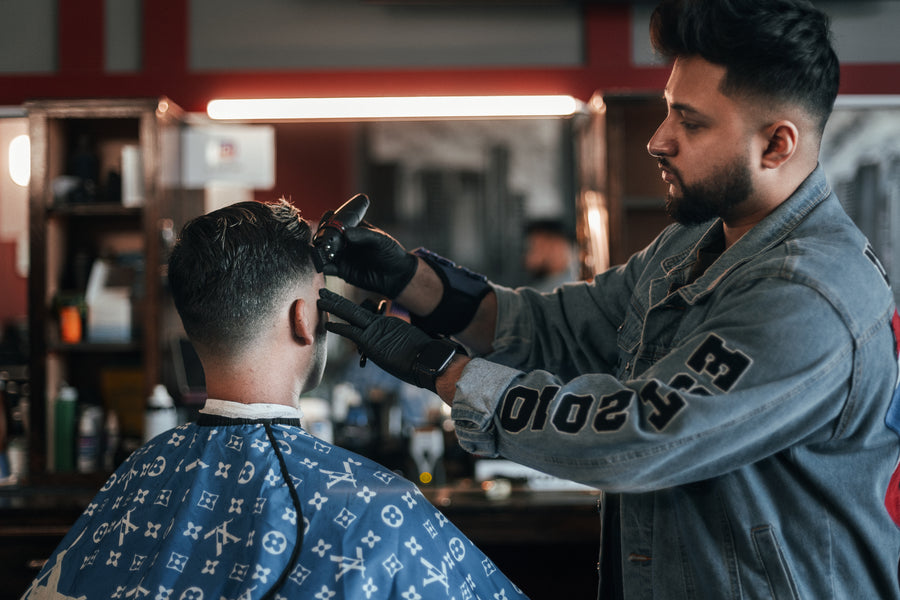
The point where the side meets the top affects width and silhouette. Keeping weight there can make the cut feel fuller; removing more can create a narrower or more contrasted appearance. Neither choice is universally better. Ask your barber to explain the connection, especially if your hair tends to stick out in that area.
Long tops can also be deliberately disconnected from short sides. If your reference has that separation, ask how it differs from a blended version. The term mid fade does not, on its own, explain the relationship between the upper sides and the top.
The beard: a second silhouette
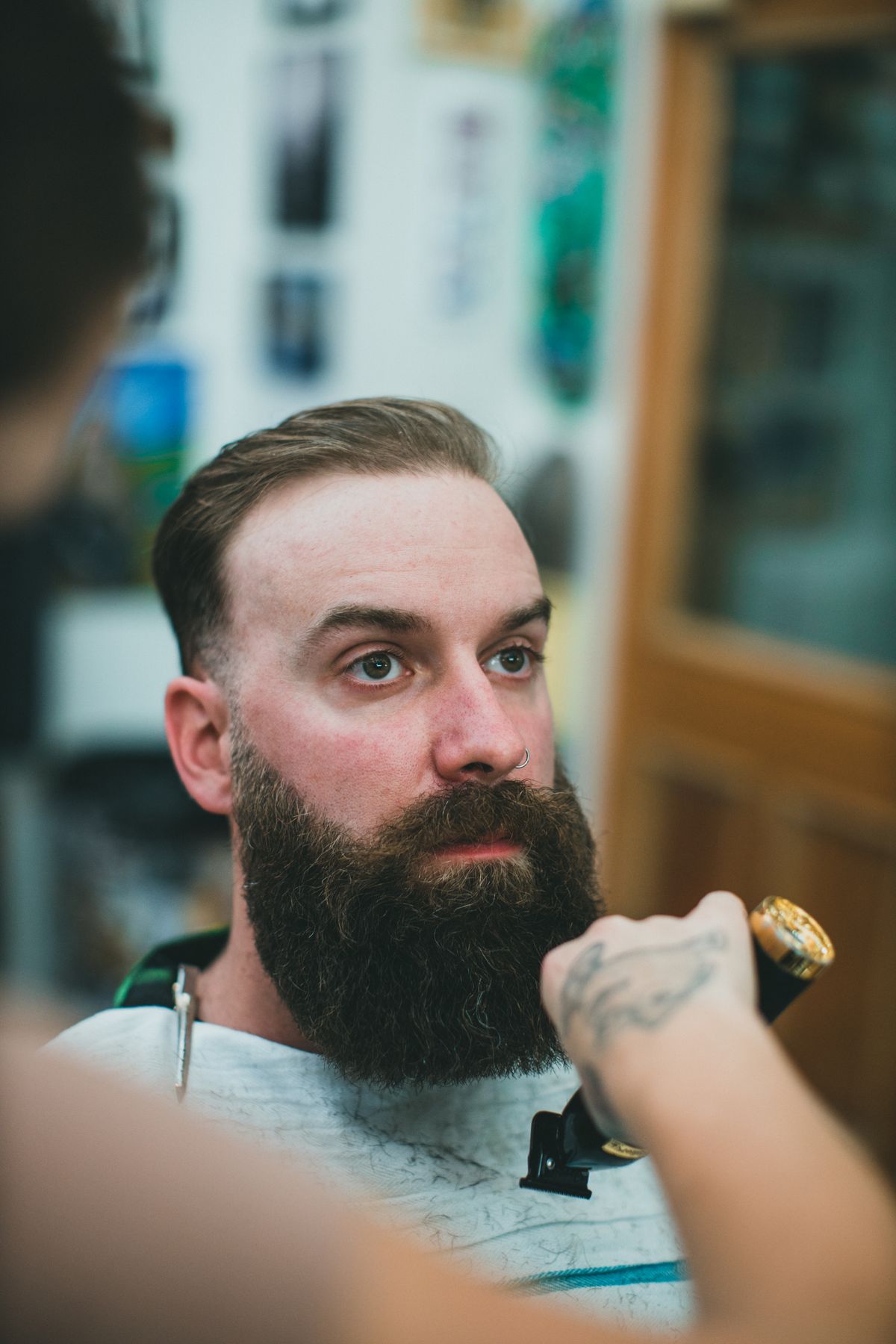
If you wear facial hair, compare the haircut and beard together. A close sideburn blend can create a smooth connection, but you may want to preserve more density at the cheek or jaw. Tell your barber where the beard should stay full. Haircut instructions should not silently become permission to take the entire beard shorter.
Check whether beard work is included in the appointment. Bring a reference for that part if you have a strong preference. You can like the haircut in one photo without wanting the same beard outline or length.
Details to discuss in the chair
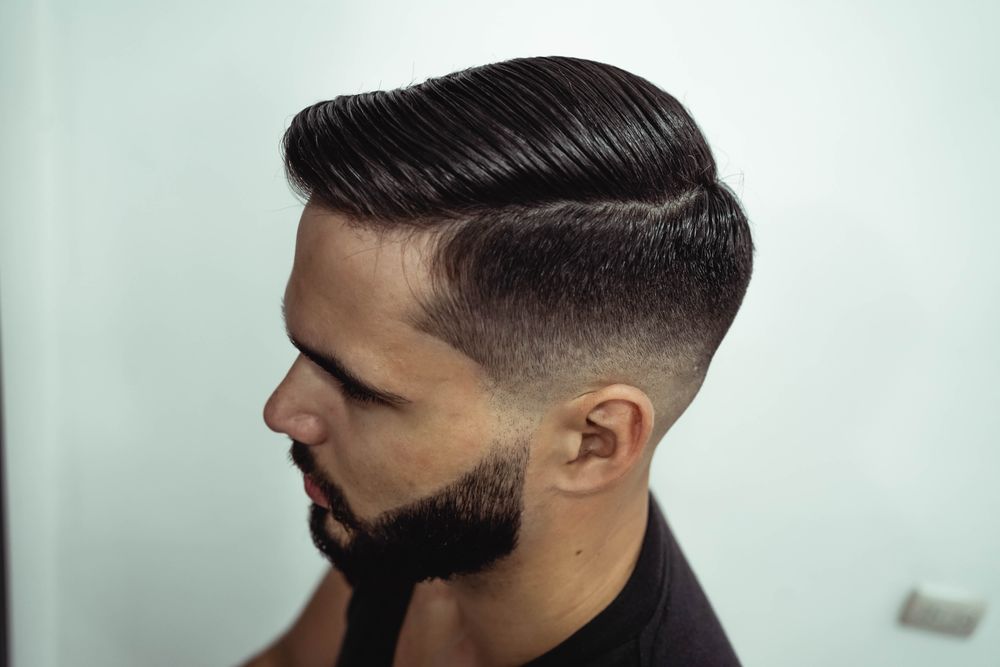
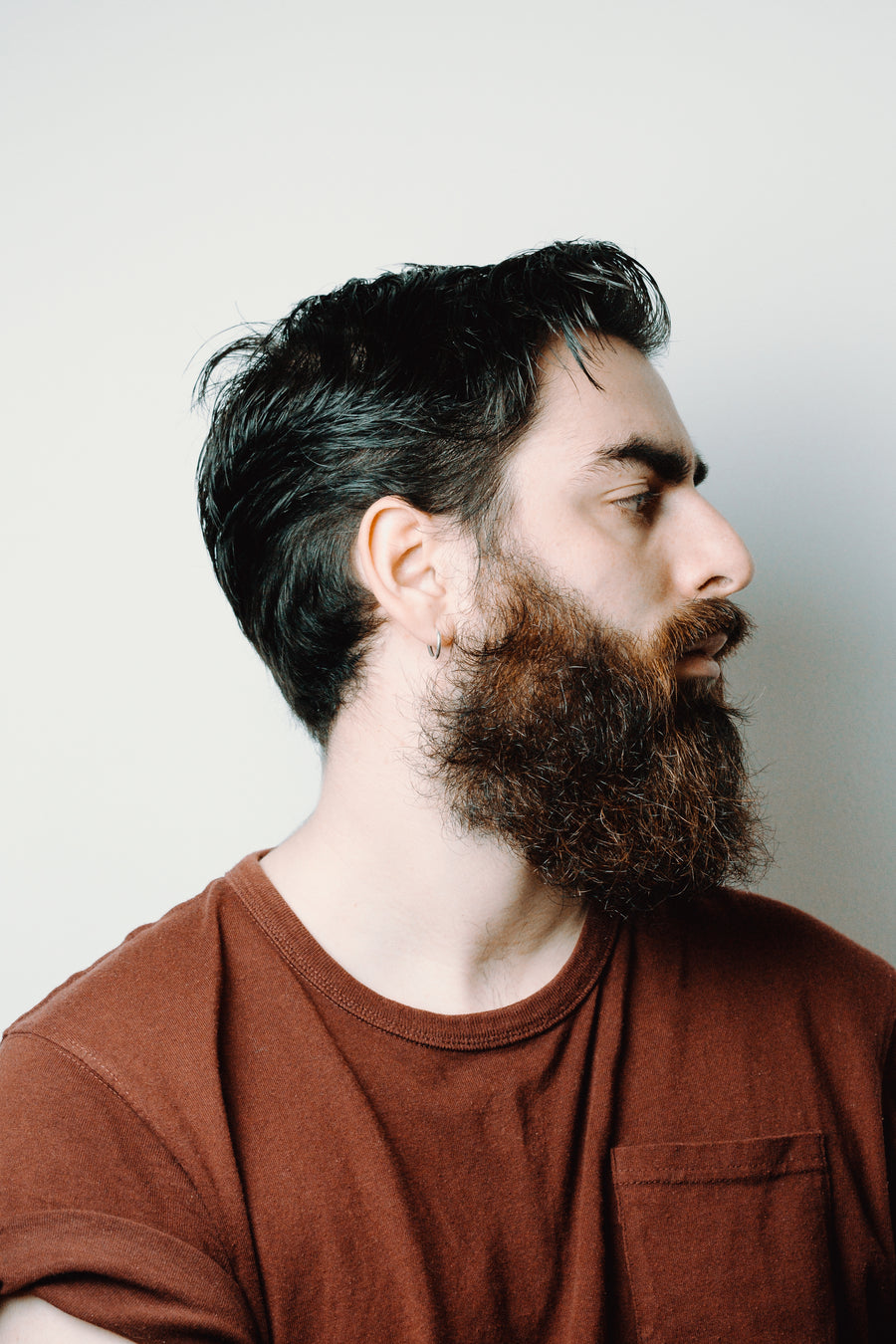
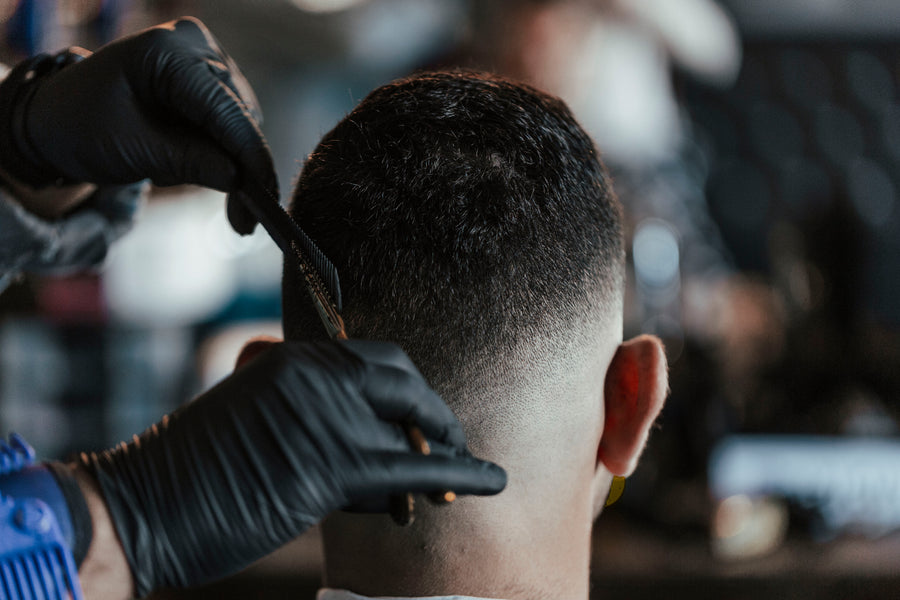
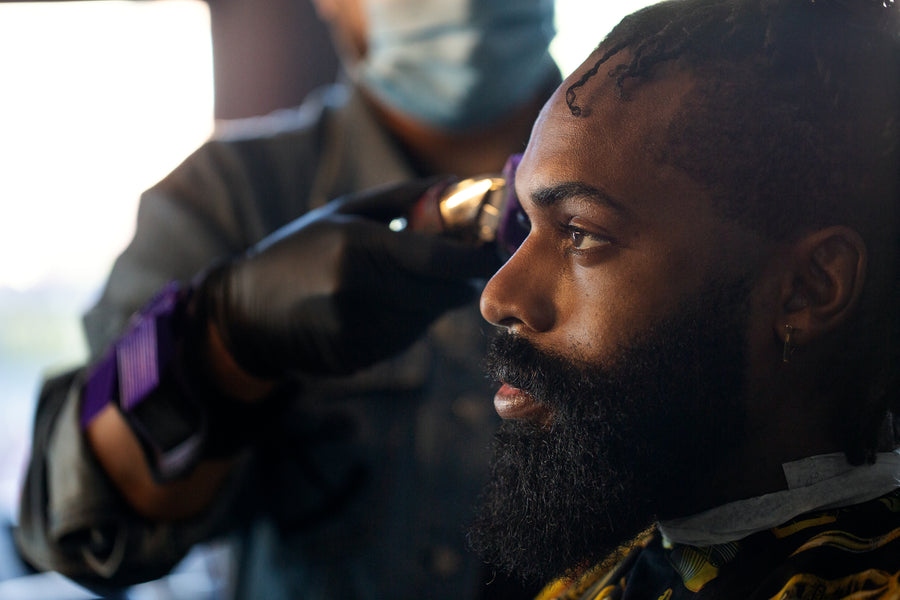
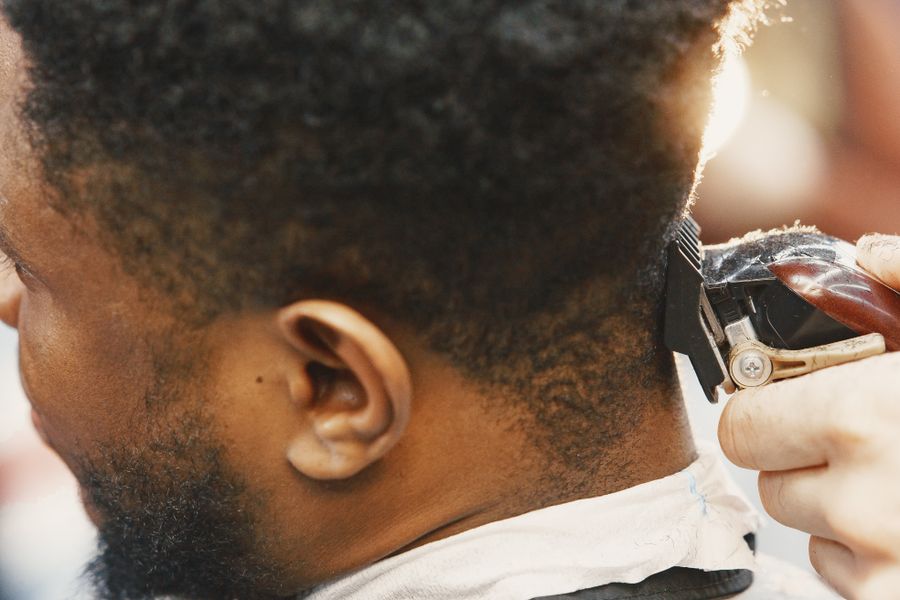
Use the reference notes to describe your preference. These are real grooming photos, not a verified gallery of exact mid-fade variations.
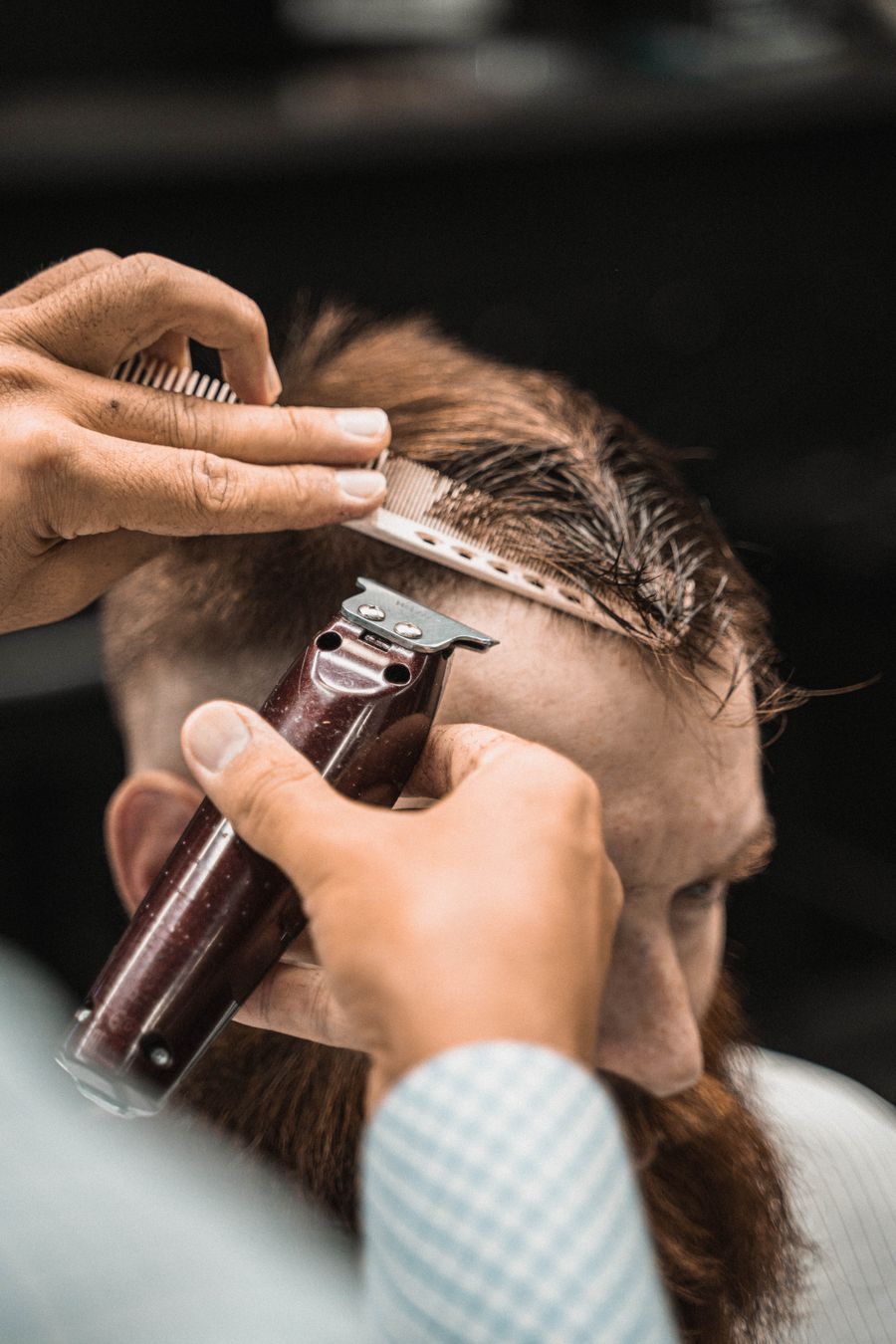
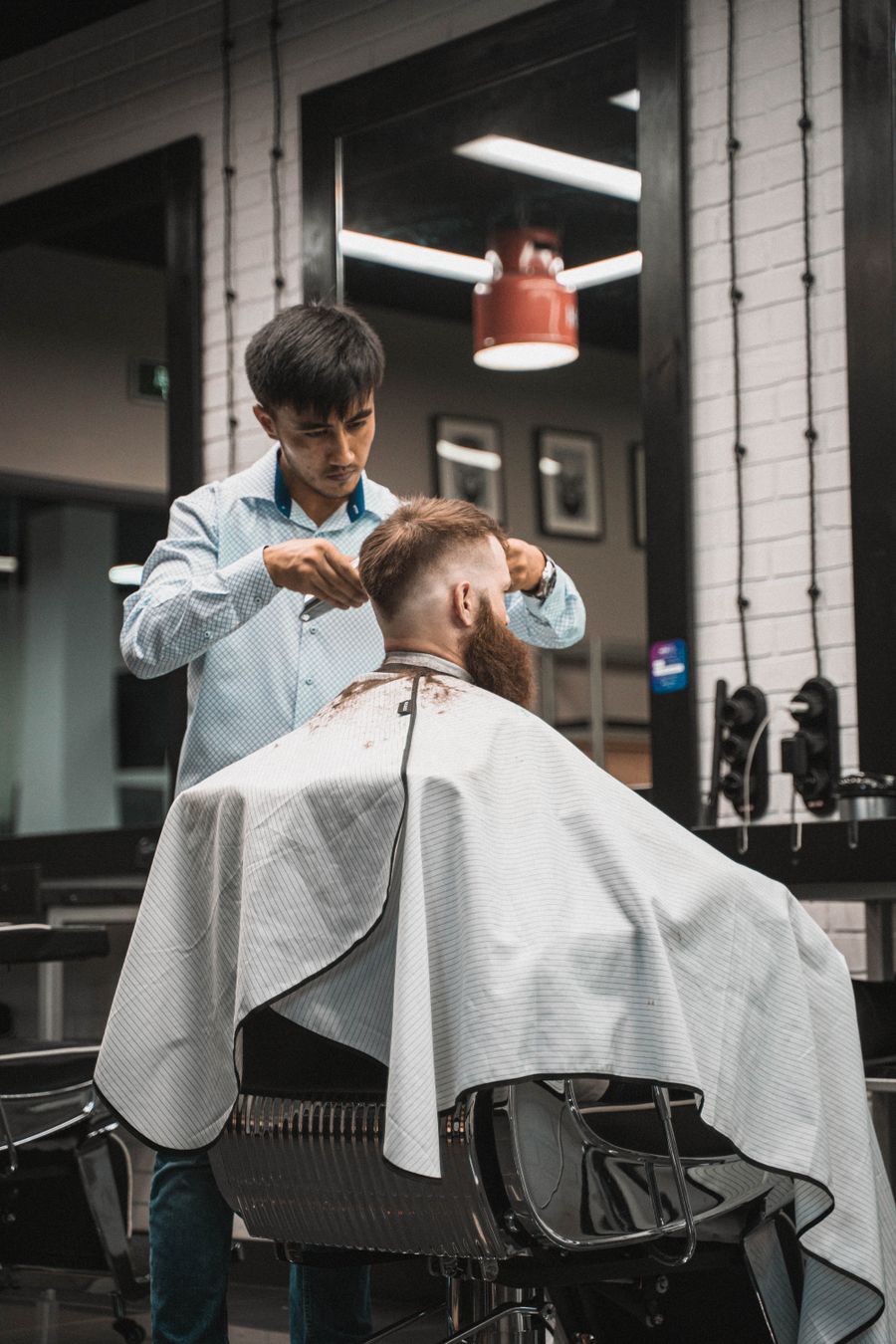
Three situations worth thinking through before choosing
You want a change, but dislike exposed scalp
Keep the desired top style and discuss a longer shortest finish. You do not need to abandon a mid fade simply because a reference goes to skin. Ask the barber to show the amount of coverage you can retain and how that changes the contrast.
You want a longer top, but do not style with heat
Explain that you prefer air-drying. The barber can assess whether your growth pattern supports the direction and whether more length, a softer shape or a different top would be easier. Do not choose a lifted photo while assuming the same shape happens without its styling routine.
You like a fresh fade, but want fewer visits
Decide which changes in the grow-out you can comfortably accept. A softer shortest finish may be less visually dramatic between appointments. Keeping the top versatile can also make it easier to change the styling direction as length returns. The right compromise depends on your priorities, not a rigid haircut rule.
Once the shortlist is down to one or two directions, use the barber guide to record what you want. Keep the top, shortest length and edges separate so the consultation can confirm each part.
Details to discuss in the chair
Use the reference notes to describe your preference. These are real grooming photos, not a verified gallery of exact mid-fade variations.