Book for the part that actually needs attention
| Decision | Option | What to check |
|---|---|---|
| Sides have lost contrast | Fade refresh | Confirm whether the top will remain untouched. |
| Fringe obstructs your view | Front reshaping | Check the dry length before shortening. |
| Top no longer holds its direction | Shape review | Show the result after your own styling. |
| Beard junction looks untidy | Connection tidy-up | Clarify whether cheek and chin length stay unchanged. |
| Growing toward a longer style | Preservation appointment | Identify the length you are trying to keep. |
How to style the top without overdoing it
The fade itself needs little daily styling; most of your effort goes into the top. Start with your normal washing routine and use the smallest amount of product that gives you control. Adding more is easier than removing a heavy layer after the hair becomes flat or sticky.
For a textured crop
Dry the hair in the direction you want it to sit, using your fingers to guide it forward. Warm a small amount of matte paste or another familiar styling product between your hands, spread it lightly, then separate the front with your fingertips. If the fringe forms a solid shelf, loosen small sections rather than adding another coat.
For a side part or swept-back top
Establish the direction while the hair is damp. If you use a dryer, guide the roots with your fingers or a brush and keep the airflow moving. Choose a finish you like: a cream can feel softer, while a stronger holding product may offer more control. Product names alone do not guarantee hold, so start with a small amount and judge the result.
For natural curls and coils
Work with the routine that already suits your hair. Apply your usual conditioning or defining product as directed, and avoid repeatedly disturbing the shape while it dries if that makes your hair frizz. A new length may need less product than your old cut. Assess the shape fully dry before deciding whether the haircut needs changing.
For a buzzed top
A buzz cut removes much of the styling step, but it does not remove the need for ordinary scalp and hair care. Keep the routine simple and pay attention to comfort. If very close cutting repeatedly leaves you uncomfortable, discuss a longer finish instead of assuming you must keep shaving closer.
You do not need a shelf full of products to make a mid fade work. Ask your barber to show a version of the style using one product you can use confidently, and explain what the hair will look like without it.
Maintenance, grow-out and common problems
There is no single correct interval between fades. Hair growth, contrast, budget and personal preference all affect it. Someone who likes a freshly shaved finish may book sooner than someone happy with a softer blend. Take a photo after your haircut and another when the shape stops working for you; that comparison gives you a practical appointment interval.
The sides look heavy after a while
Notice whether the bulk appears just above the ear, at the upper corner or through the back. Show that area at your next visit. The solution may involve changing the weight distribution rather than raising the entire fade. Repeatedly moving the fade higher can gradually create a different haircut from the one you wanted.
The top will not sit like the reference
Check the drying direction and whether you have enough length for the intended style. A swept-back top may fall forward if it is too short or if the roots are dried forward. A crop may puff out if too much weight sits behind the fringe. Describe the behavior to the barber rather than trying to solve every problem with stronger product.
The haircut feels too exposed
For the next appointment, ask about keeping visible hair at the shortest point or reducing the area taken very close. If the top also feels too short, explain that separately. More growth will soften the contrast, but another close cut cannot restore length that has already been removed.
You want to grow it out
Tell your barber that the goal has changed. Keeping the sides tightly faded at every visit can delay the fuller shape you are trying to reach. Ask for a grow-out plan that tidies the outline while allowing the areas you need to gain length. Expect some stages to need a different styling direction from your fresh fade.
“The top worked well, but the upper sides became bulky after a couple of weeks” gives your barber something concrete to adjust.
A simple way to find your maintenance interval
Instead of booking from a universal rule, record what changes in your own cut. Take a day-one photo, note when styling becomes harder, and identify which area is responsible. You may need the outline tidied before the top needs shortening, or the top reshaped while you are still comfortable with the sides.
| RECORD | WHAT TO LOOK FOR | WHAT TO TELL THE BARBER |
|---|---|---|
| Fresh cut | Height, shortest finish, top direction | Which features you want repeated |
| Midway through growth | Where bulk or separation first appears | The exact area that stopped working |
| Before the next visit | What became difficult to style | Whether to adjust length, shape or timing |
When your plans change
If your routine gets busier or you want fewer appointments, ask about retaining more length at the shortest point or changing the top to something easier to wear naturally. The goal is a haircut that works between visits, not only on the day it is cut.
If you are growing it out, say so before a routine fade refresh. See the barber guide for a checklist of decisions to confirm, and compare the style options if you want a new direction.
Troubleshoot the routine before changing the entire cut
The top looks flat after styling
Check whether you are using more product than the current length needs. A haircut can change how much hair there is to coat, and a familiar amount may become too heavy. Start small, establish the direction while drying and assess the shape before adding another layer.
If the top still cannot hold the direction you want, discuss whether the length and growth pattern support it. Product cannot always replace enough length to sweep back or compensate for a cut that naturally falls another way.
The front will not settle
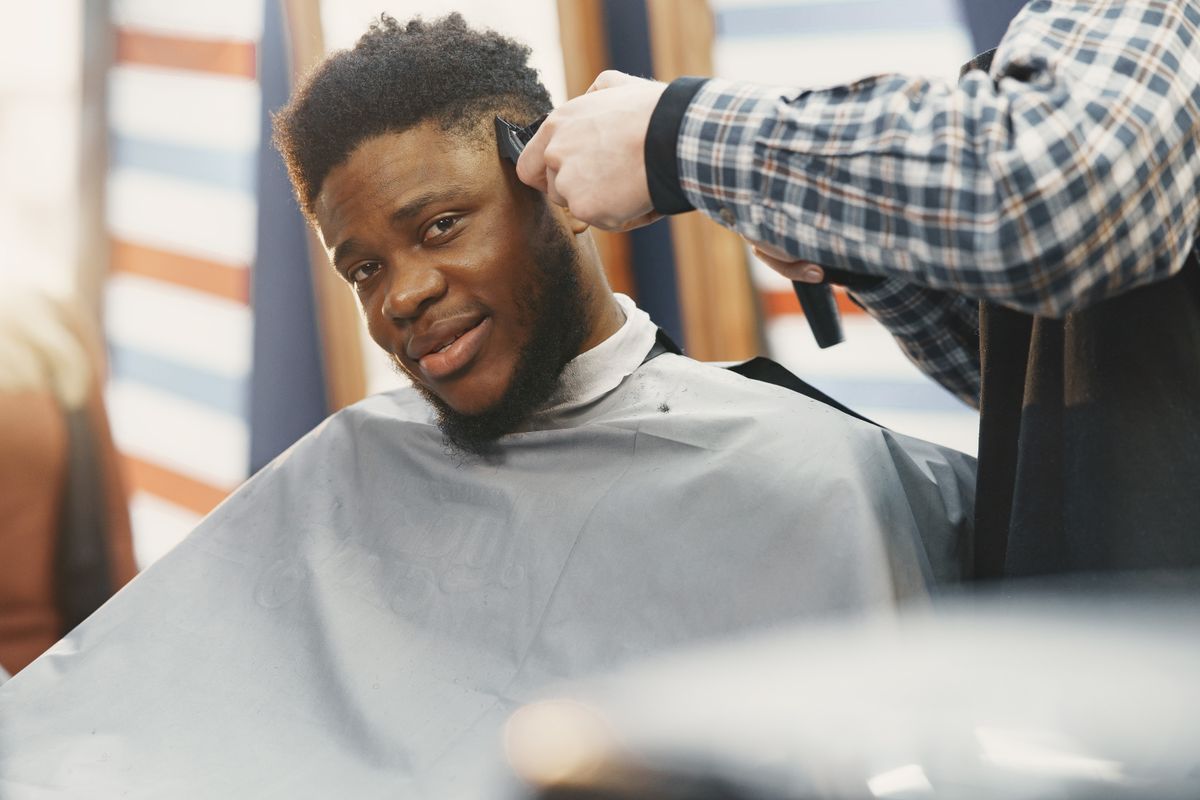
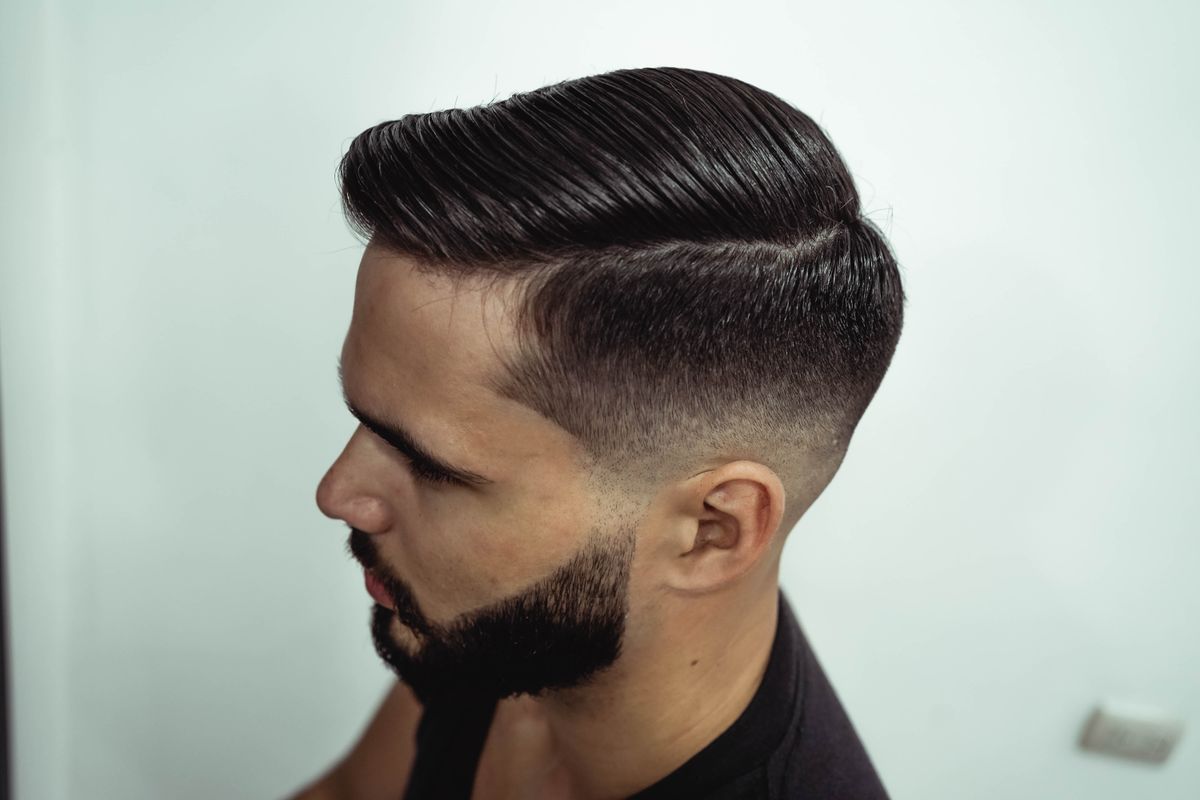
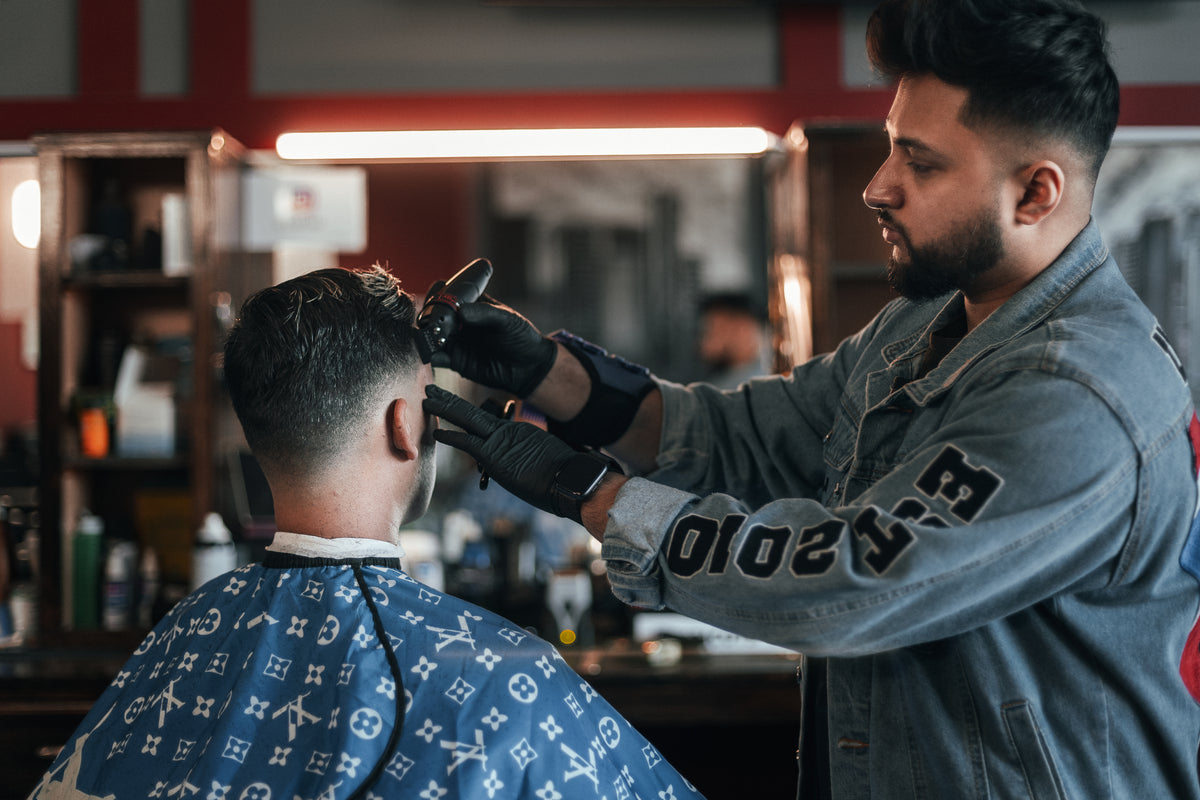
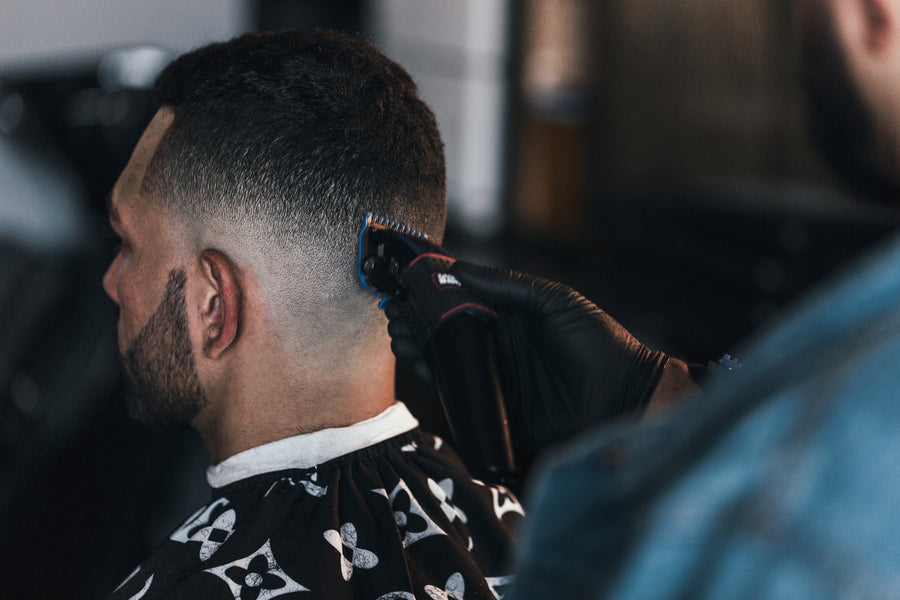
Notice whether the problem is present when the hair is freshly washed, while damp or only after it dries. A fringe that sits correctly wet may lift or curl as it dries. Tell your barber when the behavior appears and show the dry result.
When you are drying it yourself, begin with the intended direction rather than fighting the finished shape afterward. If your routine is air-drying, explain that at the next visit so the cut can be assessed against that habit.
The side shape grows wider
Identify where the width returns. It may be the upper corner, the area just above the ear or the back. Ask whether the next adjustment should change weight or connection, rather than assuming the whole fade needs to move higher.
One useful comparison is a fresh side photo next to a later one taken in similar light. This lets you point to a change instead of describing the entire cut as messy. Avoid taking the photo at a dramatically different angle, which can make the silhouette harder to compare.
Details to discuss in the chair
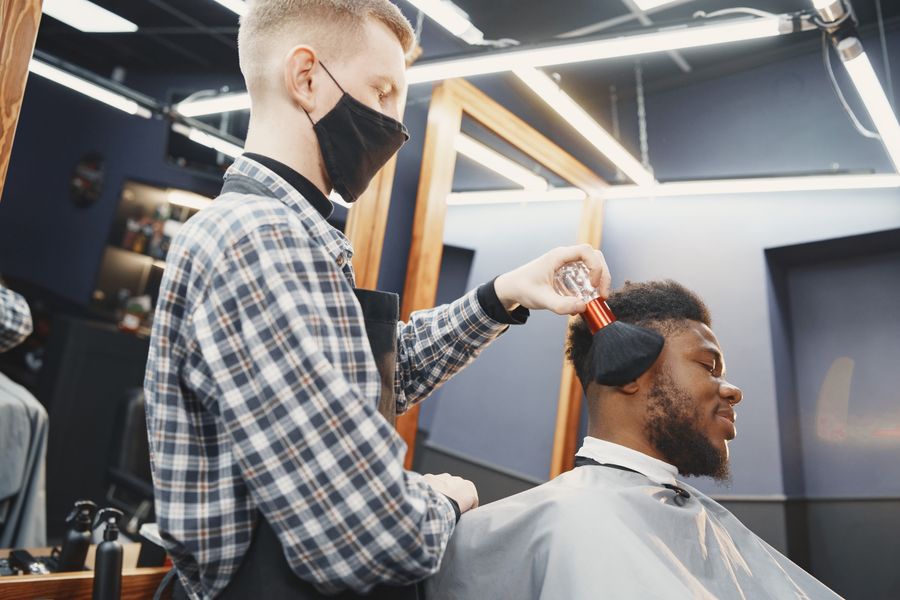
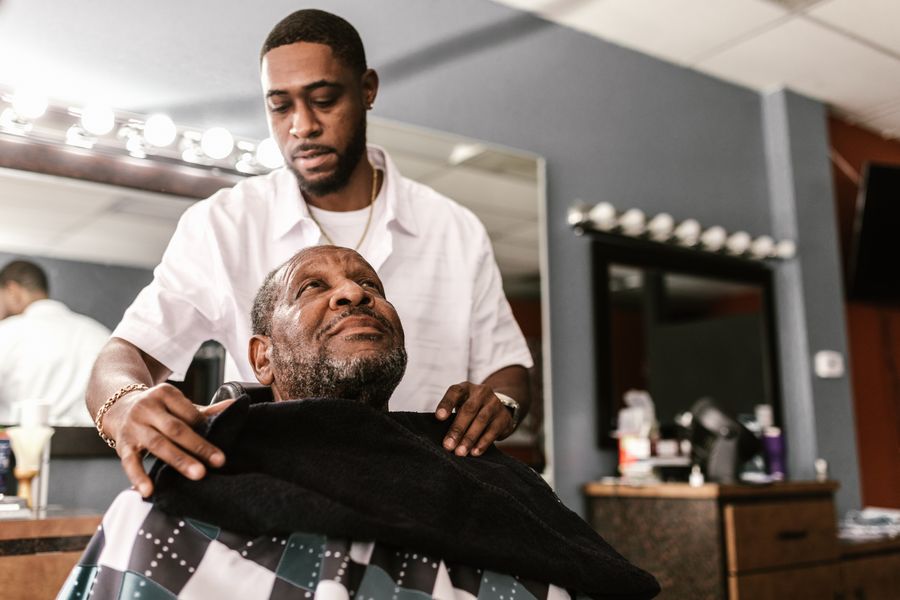
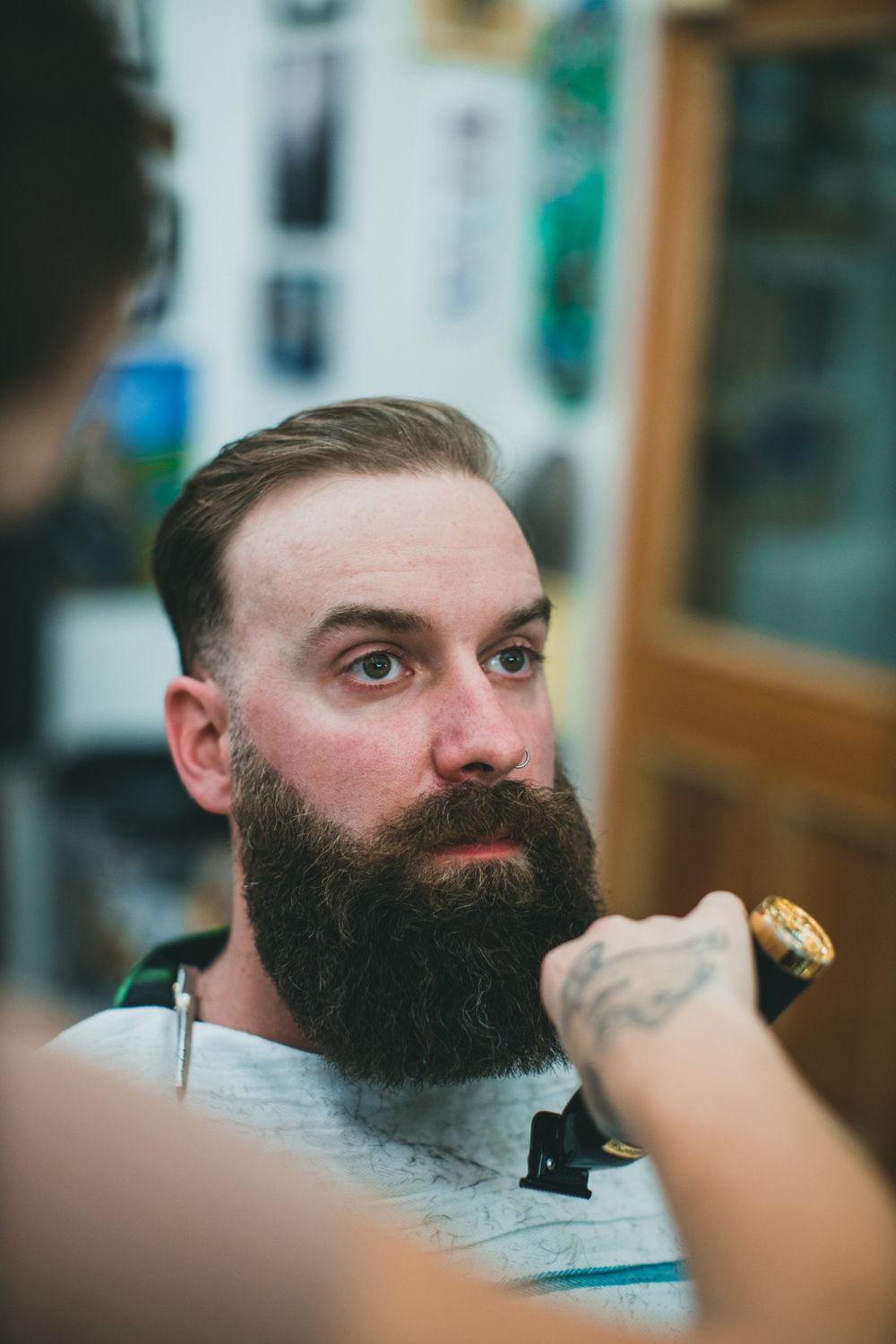
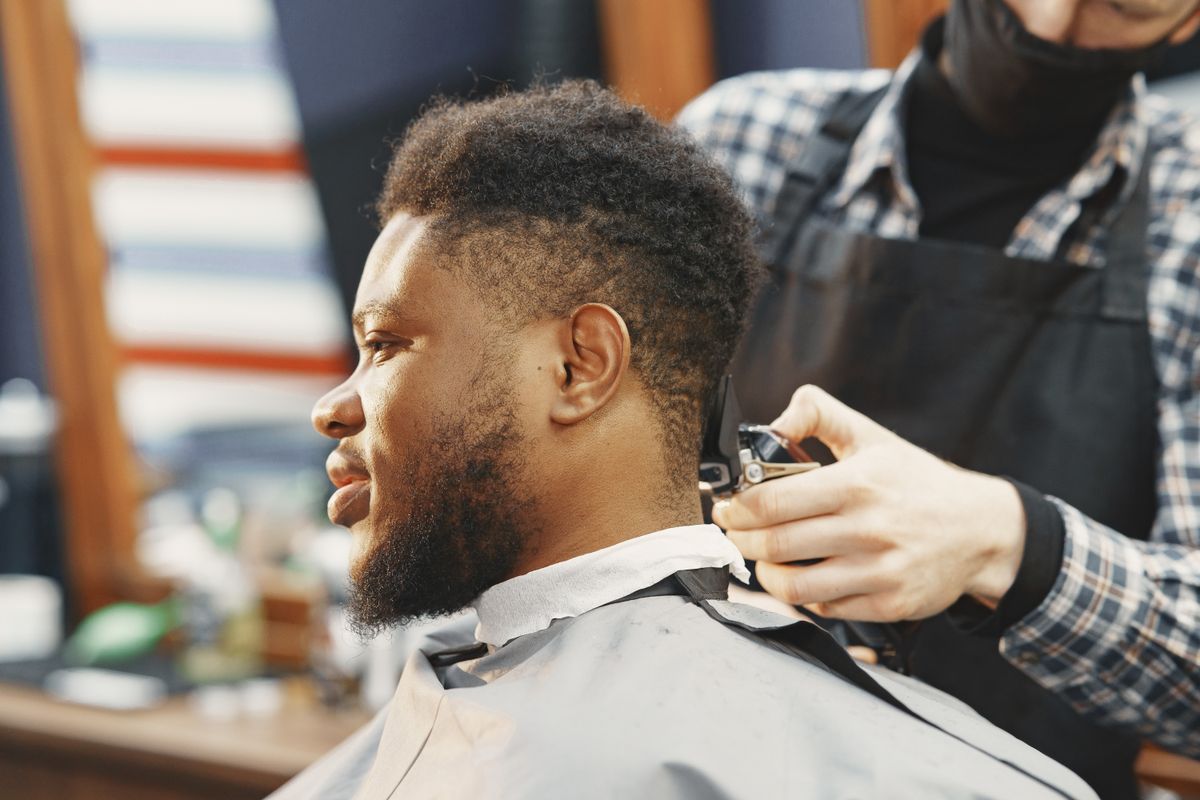
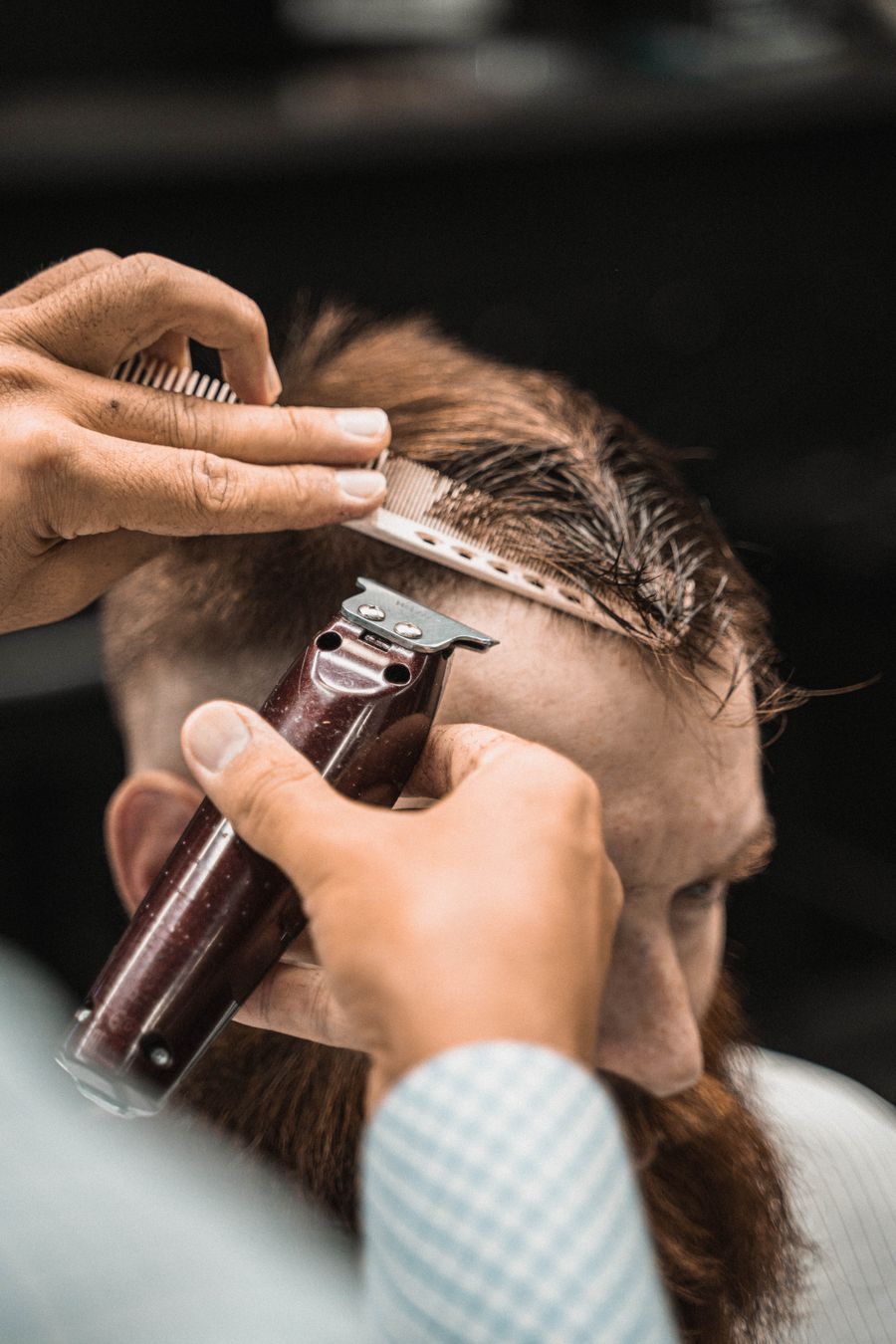
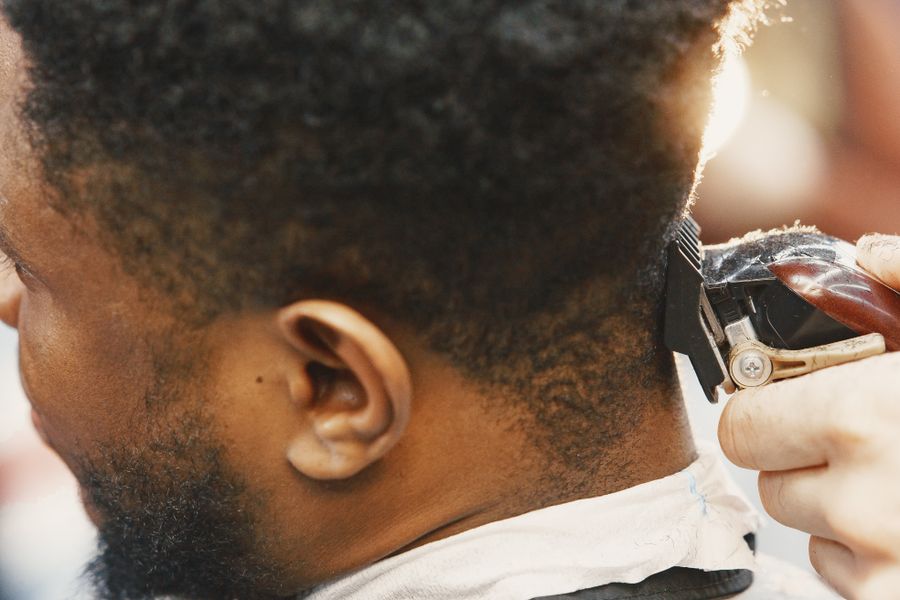
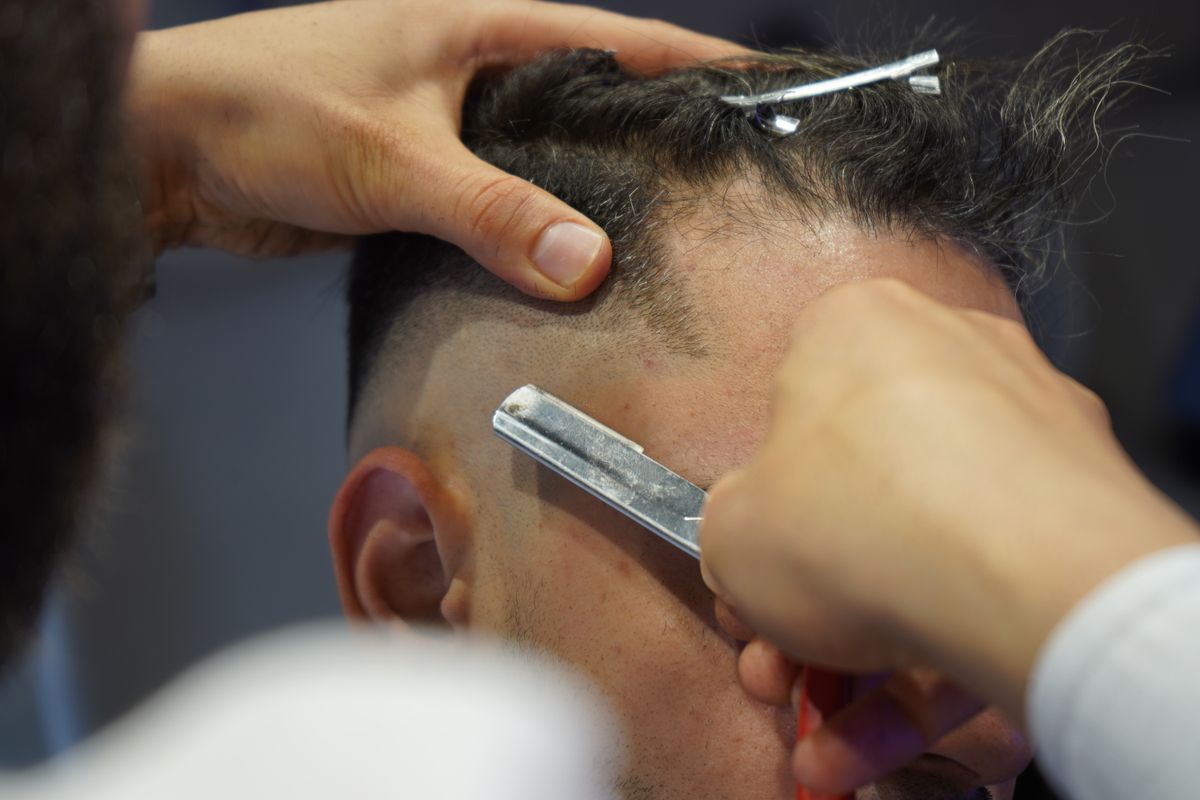
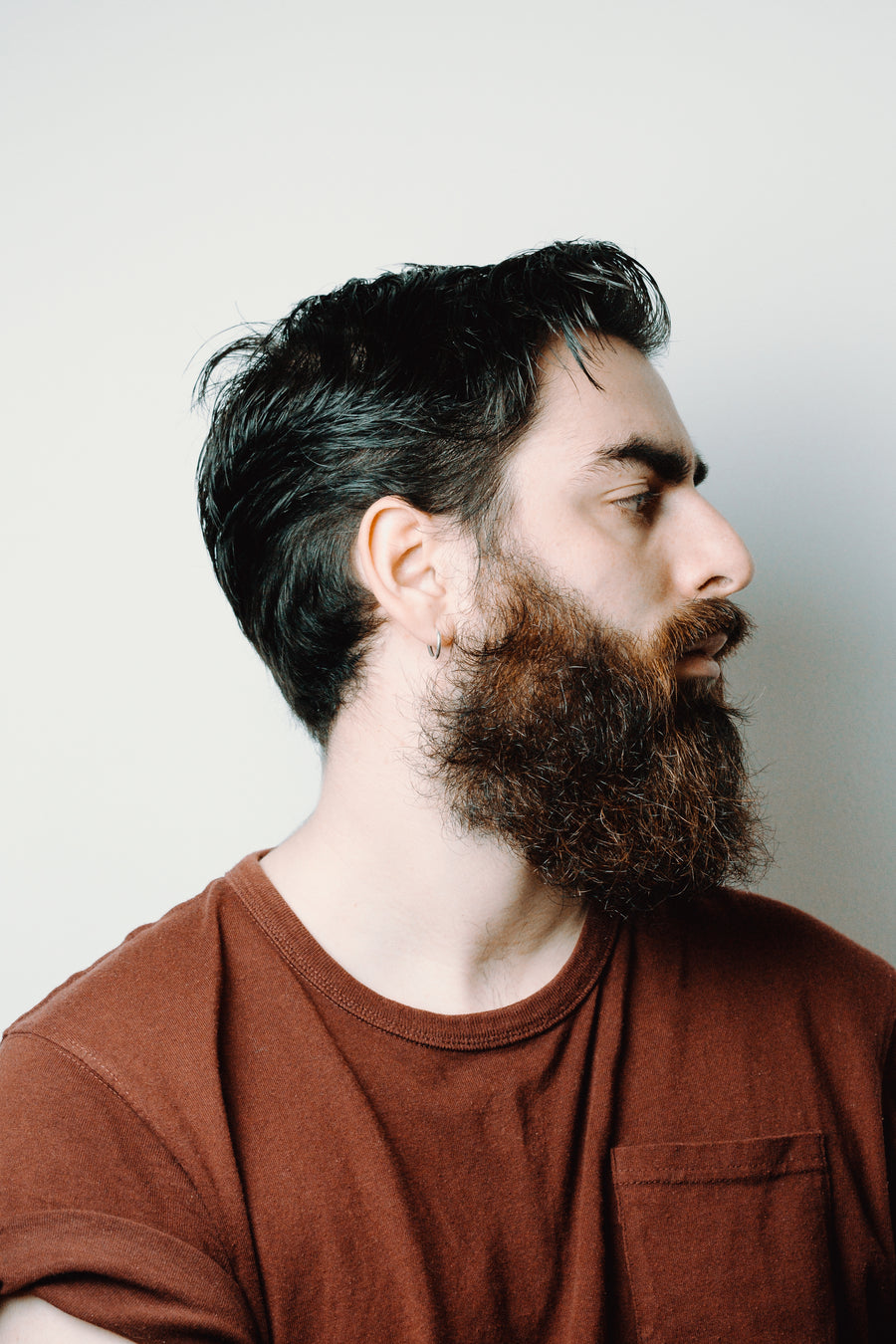
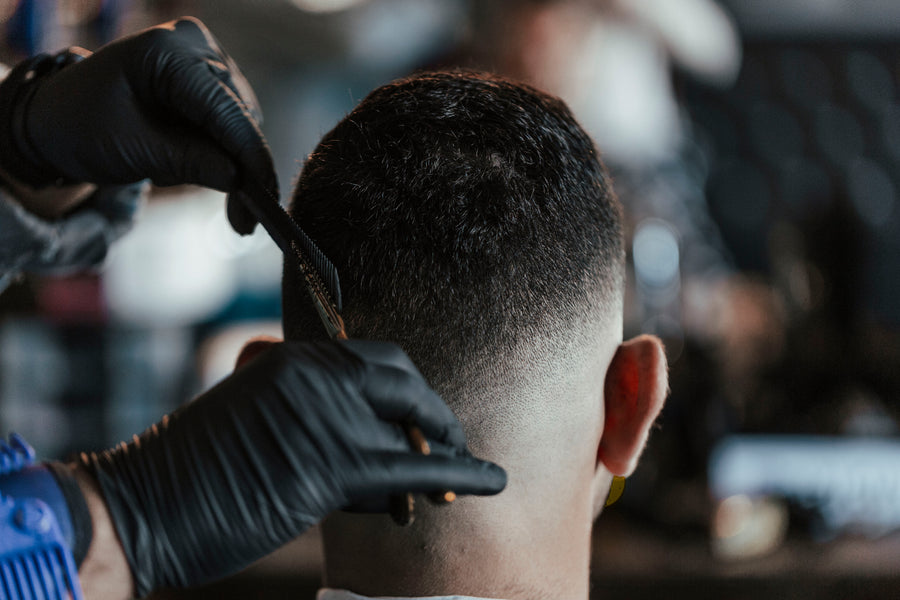
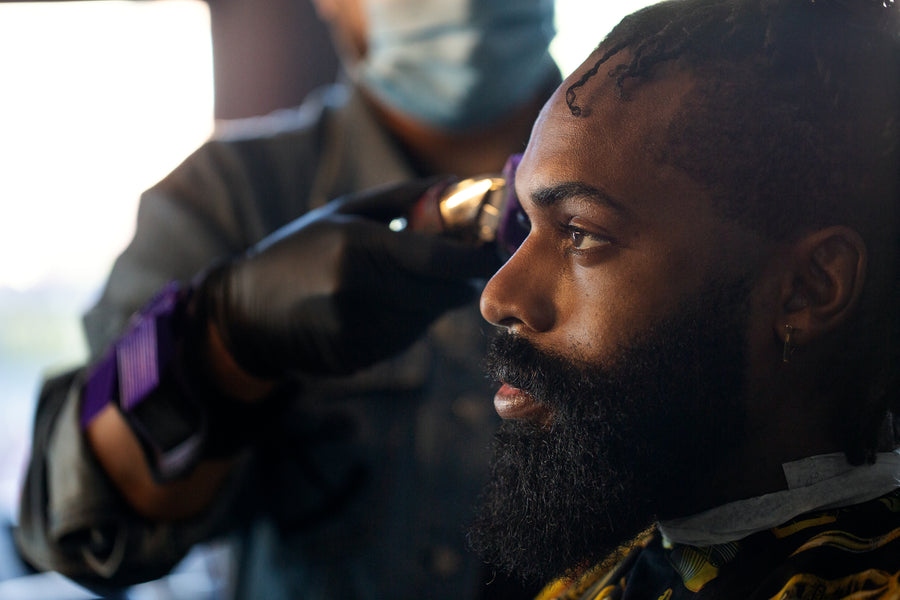
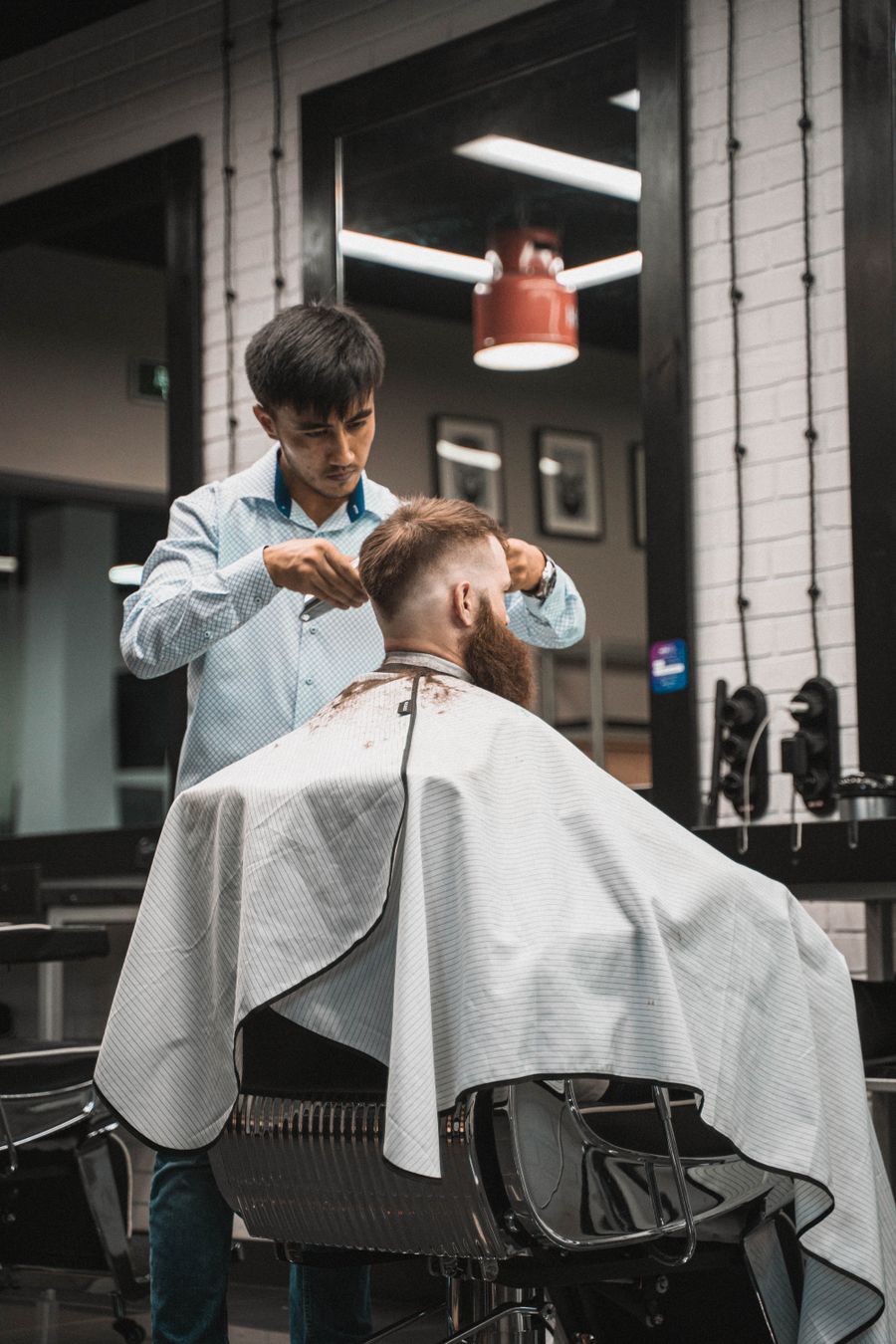
Use the reference notes to describe your preference. These are real grooming photos, not a verified gallery of exact mid-fade variations.
Plan the next appointment around what has actually changed
A tidy outline and a full haircut are different requests
Sometimes the edge is what bothers you while the top still works. Sometimes the sides remain acceptable but the front has become difficult to control. Explain which part you want refreshed and ask what the service includes. Do not assume every maintenance appointment needs the same amount taken off everywhere.
If you want the top to gain length, say so before the usual routine begins. You may be asking for the sides and outline to be managed while preserving progress on top. A clear goal prevents an automatic return to the shortest version of the cut.
Budget includes frequency
Compare the routine over several visits rather than judging only one price. A look you want refreshed very often can ask more of your time and budget. If that commitment becomes inconvenient, discuss a softer finish or a shape you are comfortable wearing longer between visits.
A longer shortest setting will not make hair stop growing, but it can change how you perceive the returning contrast. Choose the point at which the cut stops feeling useful to you, rather than using another person’s schedule as a fixed rule.
When you want to grow out the fade
Explain which fuller shape you are moving toward. Ask which areas should gain length and which can be tidied without resetting the process. The styling direction may change as you pass through different lengths, so allow the plan to evolve instead of demanding the old outline at every stage.
Use the consultation checklist to explain your new goal. If you are changing the top as well, compare the style directions and choose a realistic intermediate version.
Details to discuss in the chair
Use the reference notes to describe your preference. These are real grooming photos, not a verified gallery of exact mid-fade variations.