Texture is only one part of the decision
| Decision | Option | What to check |
|---|---|---|
| Pattern | Straight, wavy, curly or coily | How does it bend and fall when dry? |
| Strand thickness | Fine or coarse individual hairs | Do short sections lie down or stand outward? |
| Density | How much hair grows within an area | How much visible coverage do you want to retain? |
| Growth direction | Part, crown and cowlicks | Which direction can your ordinary routine support? |
Choosing a mid fade for your hair type
The same reference photo can produce a different result on two people. Texture affects how hair bends; density affects how much scalp shows; growth direction affects how the top lies. Start with those three things before deciding how close to take the sides.
Straight hair: plan the corners
Straight hair can make changes in length easy to see. The important area is where the shorter sides meet the longer top. If that corner is cut too short for your growth pattern, it may stick out instead of lying flat. Ask your barber whether to keep some weight there or blend it away.
A textured crop suits someone who wants to style forward. A side part needs enough length to travel across the head. A swept-back style usually asks more of your drying routine. Choose the direction you already like wearing rather than a photo that needs a routine you will never follow.
Wavy hair: keep the movement useful
Waves often change direction as they dry. Talk through where your front wave naturally bends and where the crown separates. Removing too much length can eliminate the movement you liked in the first place, while leaving heavy bulk can make the top look disconnected from close sides.
Before the appointment, let your hair dry in its usual shape. That gives your barber a clearer starting point than arriving with a style heavily pressed into place. Mention whether you air-dry or use a dryer, because the finished cut should work with that habit.
Curly hair: agree on the dry result
For a mid fade with curly hair, “leave an inch” can mean different things when the curl is stretched or sitting naturally. Show where you want the curl to finish when dry. Discuss the shape through the front and crown as well as the amount of length to remove.
A wide, rounded top and a taller, narrower top create different silhouettes even with similar fades. If definition matters more than height, say so. Ask the barber to explain how much bulk will be taken out and how that could affect your curl pattern.
Coily hair: separate shape from sharpness
Decide how much natural volume you want to keep and how defined you want the outline. The fade, the top shape and the hairline are separate choices. A crisp lineup is optional, and a request for sharp edges should not be interpreted as permission to move your natural hairline back.
Bring a reference with a similar coil pattern where possible. If your hair compresses under a hat or changes shape through the day, mention that during the consultation. It helps set expectations for the shape beyond the freshly styled finish.
Fine or lower-density hair: consider contrast
Very close sides can make a fuller top look more pronounced, but they can also expose areas you preferred to keep covered. No fade creates extra density. Compare a skin finish with a slightly longer finish, and decide how much scalp visibility you are comfortable with.
“Given my texture, density and growth direction, which part of this reference is realistic without daily heat styling?”
A texture check before you save a reference
Look for a reference with similar texture and density, then ask how much styling is behind the finish. A strong curl pattern does not guarantee the same silhouette if the density or top length is different. Straight hair with a lifted front may rely on drying and product rather than the haircut alone.
| NOTICE | WHY IT MATTERS | ASK |
|---|---|---|
| Natural direction | Changes how easily the top lies forward or back | Can this direction work without a dryer? |
| Dry length | Changes where waves and curls finish | Where will the front sit when fully dry? |
| Density | Changes scalp visibility and bulk | Would a longer finish preserve more coverage? |
| Crown behavior | Can create separation or a raised area | Should we preserve more length here? |
When you are changing styles
If you are moving from a longer cut, tell your barber which texture or movement you want to keep. Removing length changes both appearance and styling options. Agree on an initial conservative length if you are unsure, then assess the dry shape together before taking more off.
If you are growing toward a longer top, say that explicitly. Tidying the sides and changing the top are separate tasks. Your barber can explain which parts need to gain length and which can be shaped now.
Make the texture part of the request
A useful request describes the result, such as “keep enough length for my curls to form” or “leave the upper sides long enough to sit down.” Let the barber choose the technique after assessing your hair.
Compare the style directions, then use the brief builder to record your preference. For day-to-day control after the cut, see styling by top style.
Texture, density and direction are different things
Curly does not automatically mean dense, and straight does not automatically mean fine. Texture describes the way a strand bends; density concerns how much hair covers an area. Growth direction describes where the hair naturally points. A reference can match one of these and differ in the others.
When you compare two photos, ask whether the visible fullness comes from density, top length or styling. A short, heavily textured top may expose gaps that a longer shape covered. A dense top may hold bulk that your hair does not have. These are reasons to adapt the reference rather than expect a direct copy.
Check the front and crown separately
Your front and crown may not behave in the same direction. A fringe can fall forward easily while the crown separates, or the front may grow strongly upward even when the rest sits flat. Show these areas in their usual dry state so the barber can see what the hair wants to do.
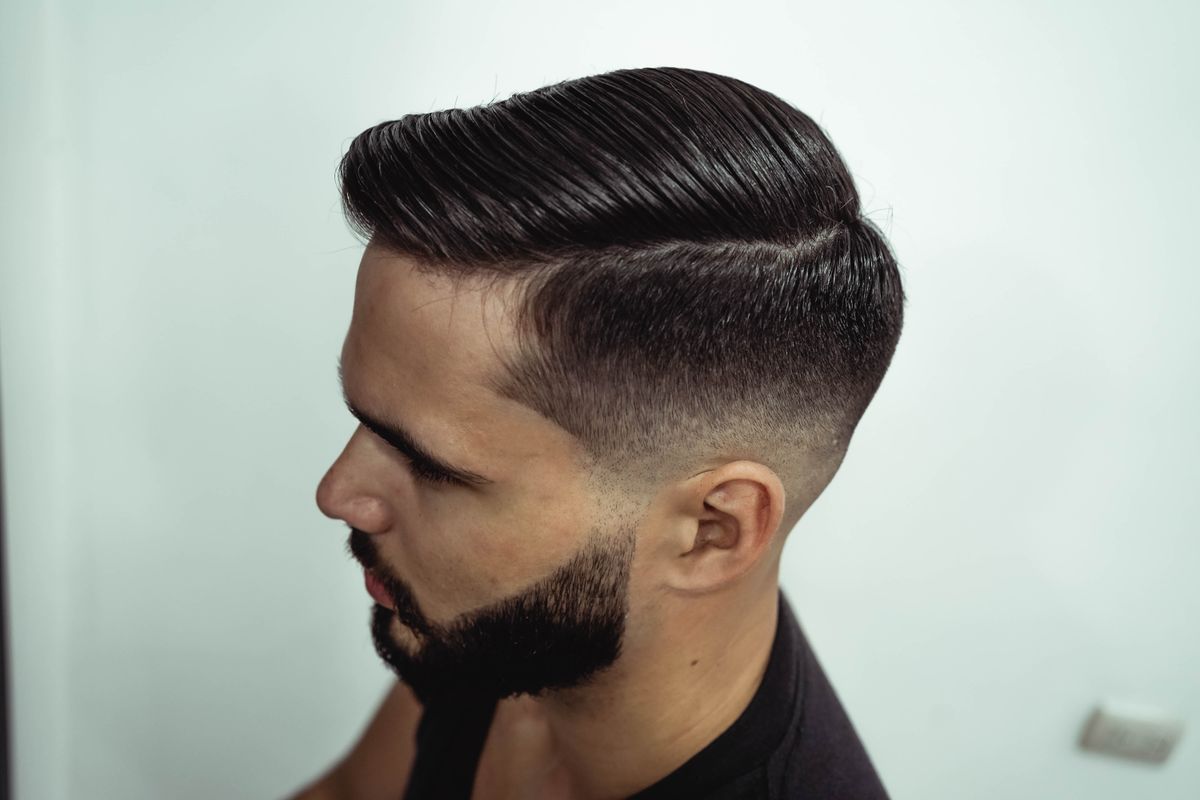
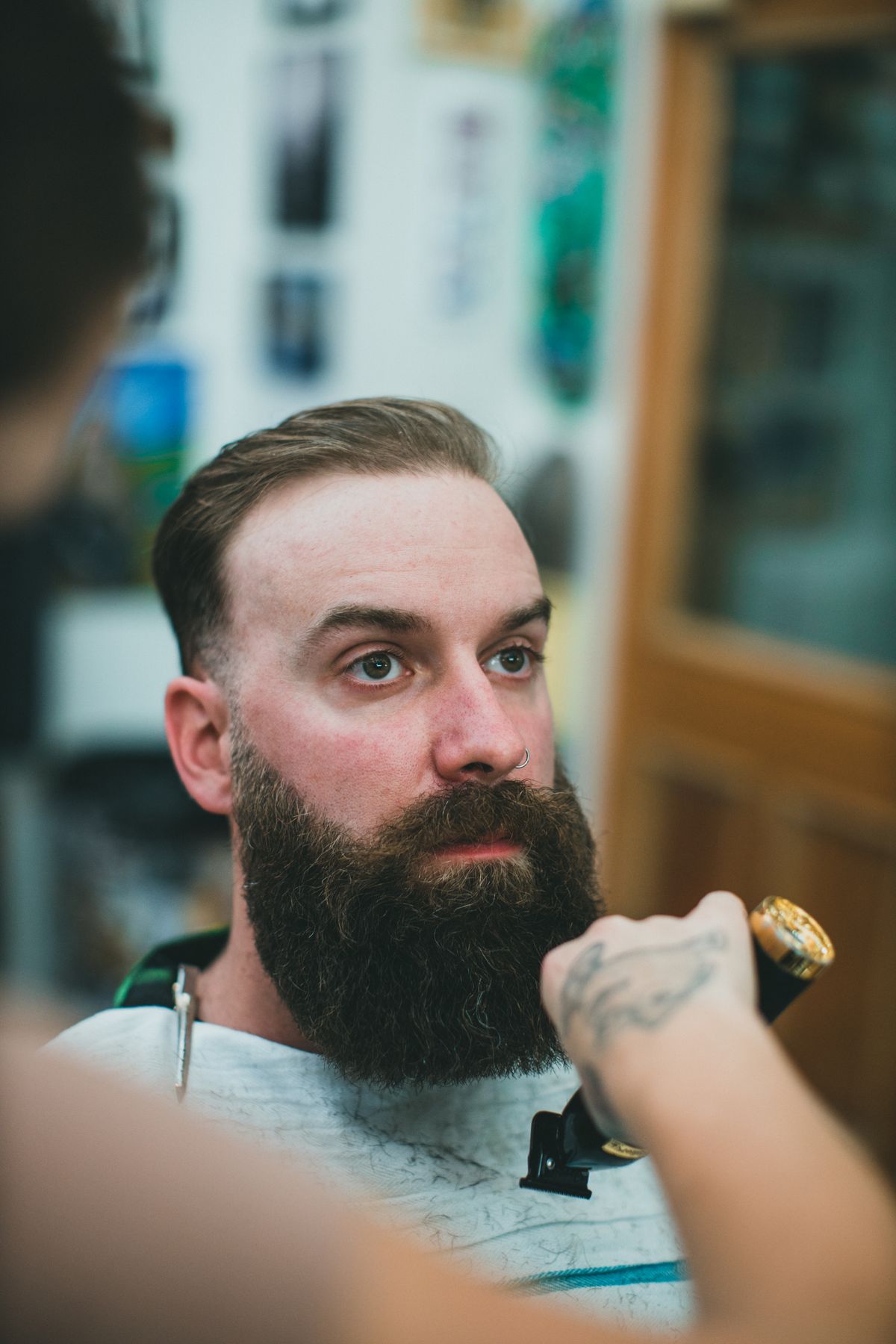
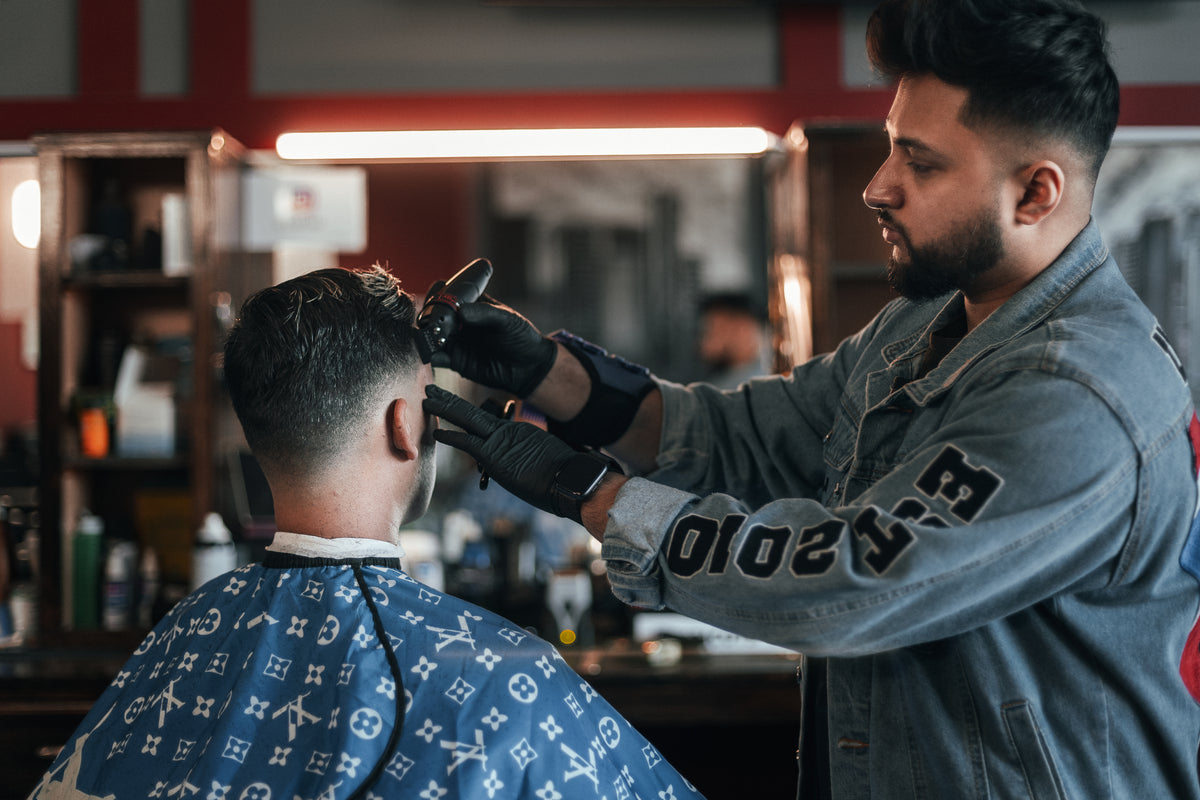
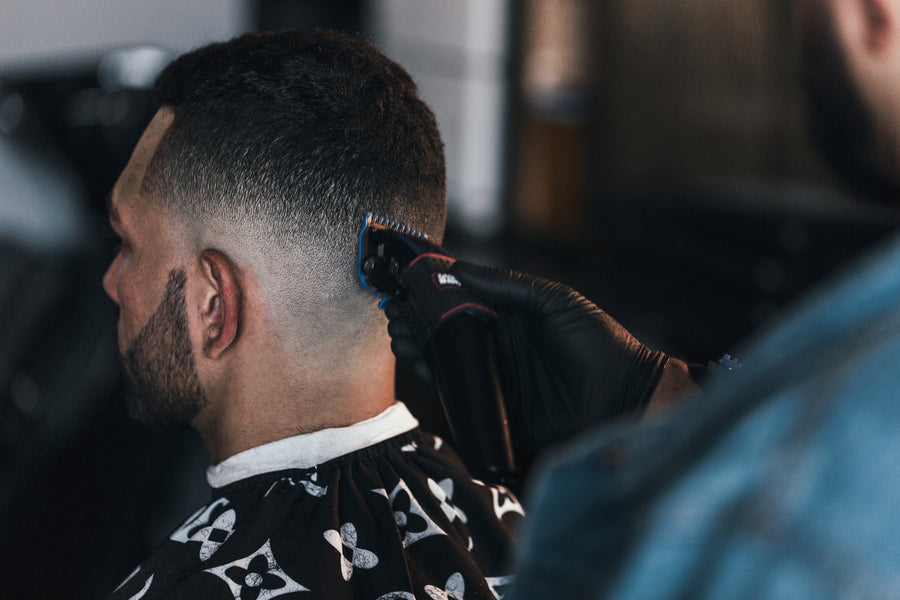
The answer is not always more product or a tighter fade. Preserving length in one area, changing the top direction or adjusting the amount of weight can change the result. Ask which alteration will help your normal routine, rather than requesting a technique by name.
Think about the hair you will have after washing
Freshly styled hair can temporarily look more controlled, stretched or defined. Explain what your hair does after your usual wash and drying routine. If the top becomes wider, shrinks noticeably or separates at the crown, that information helps the barber set a realistic dry shape.
Bring a product-free or lightly styled reference of your own hair if it captures a behavior that is hard to describe. Your own starting point can be more informative than an idealized image of someone else.
Details to discuss in the chair
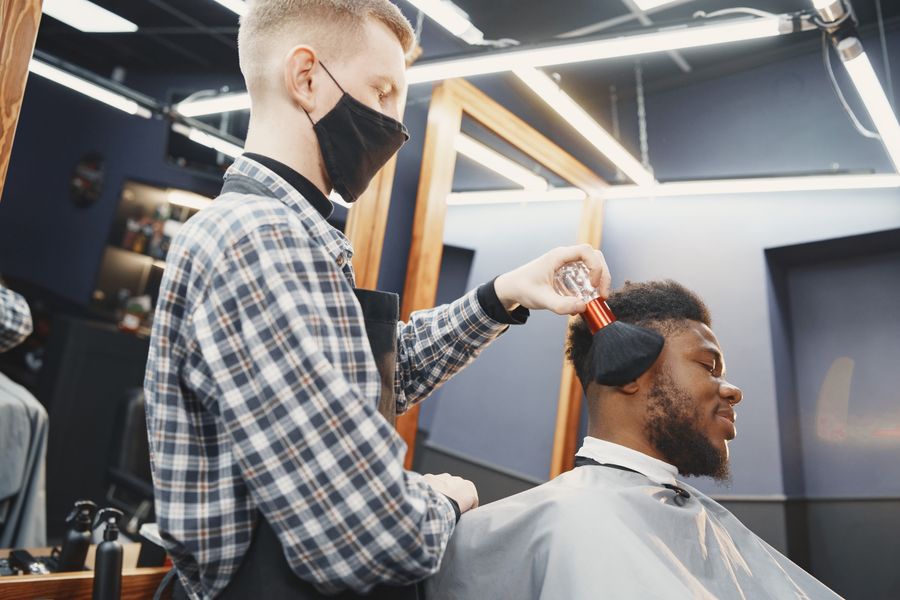
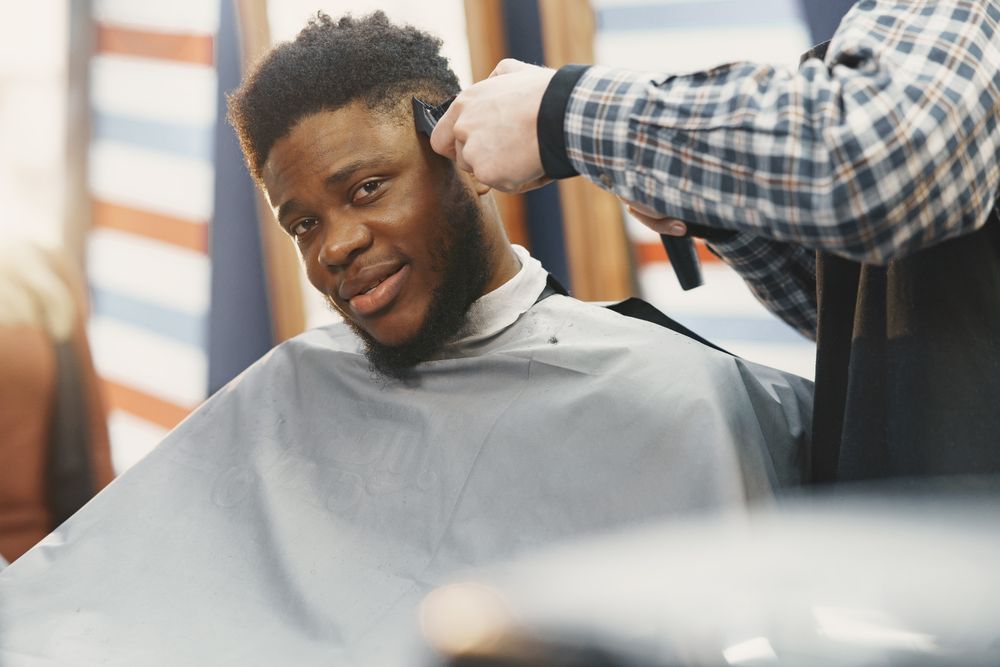
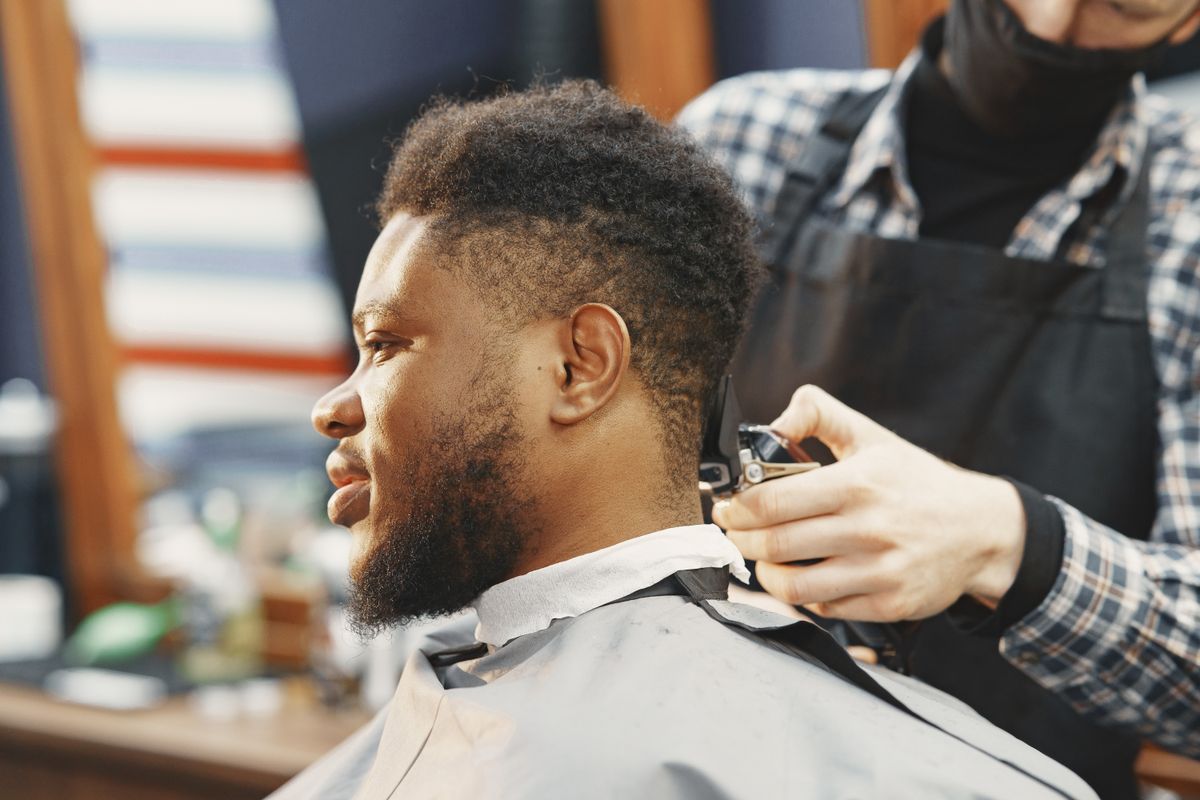
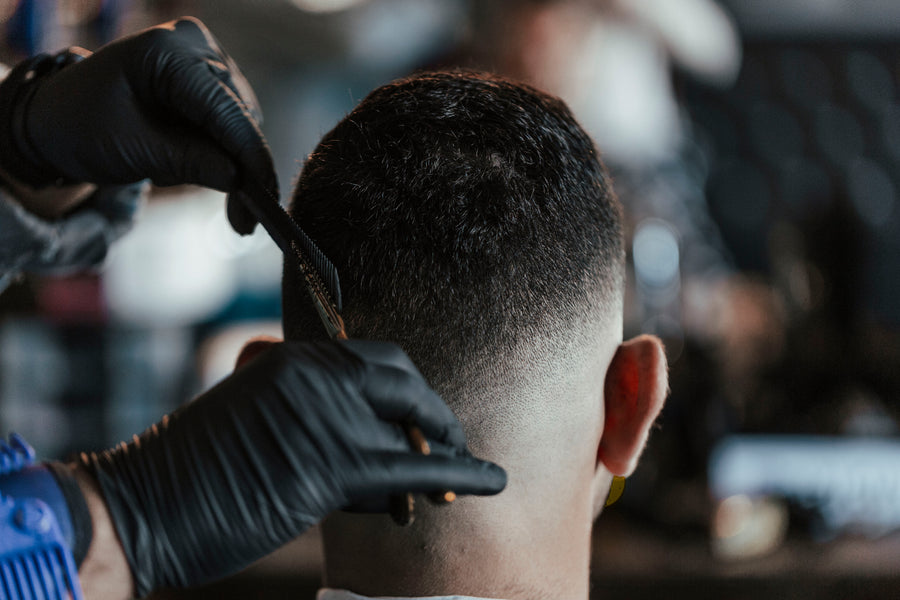
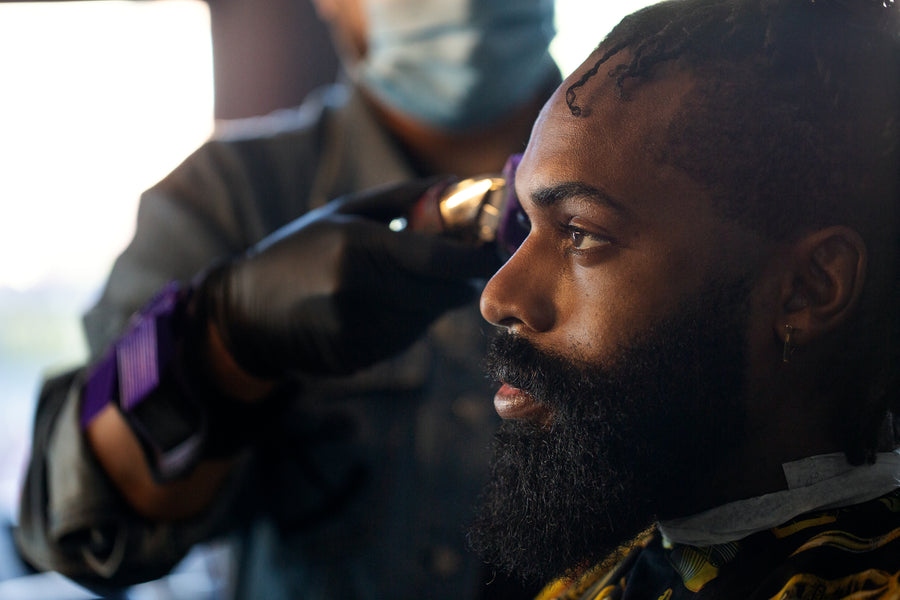
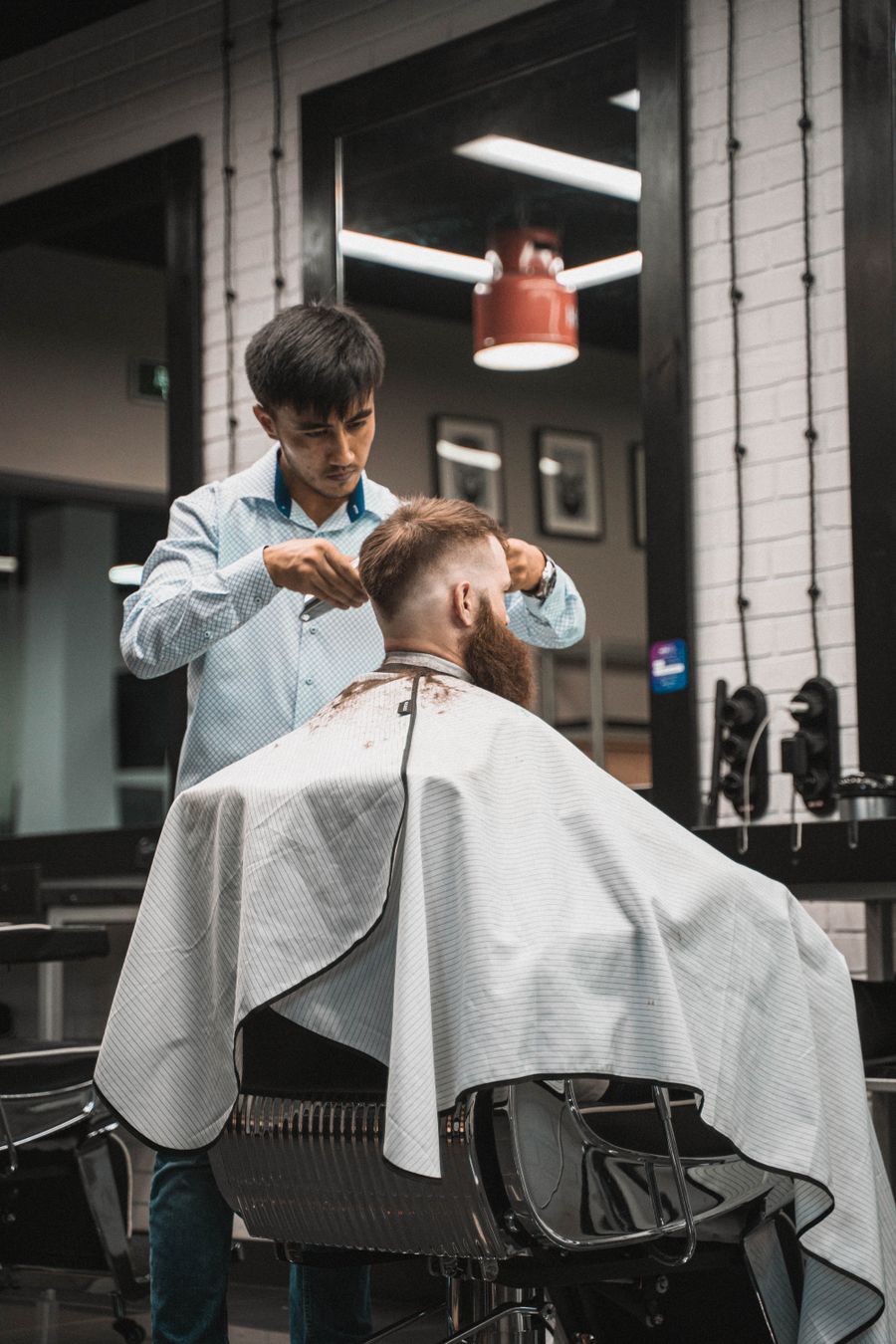
Use the reference notes to describe your preference. These are real grooming photos, not a verified gallery of exact mid-fade variations.
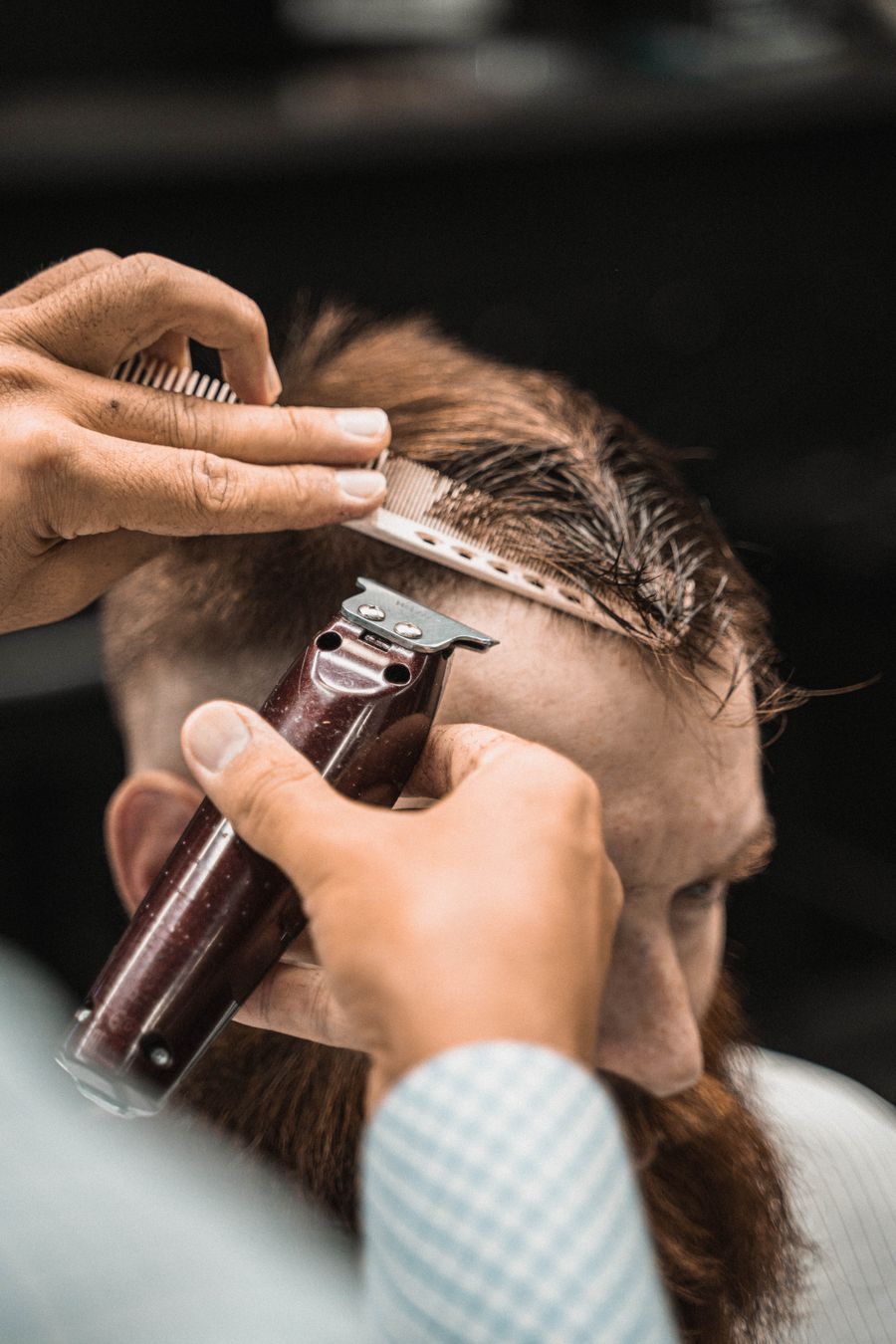
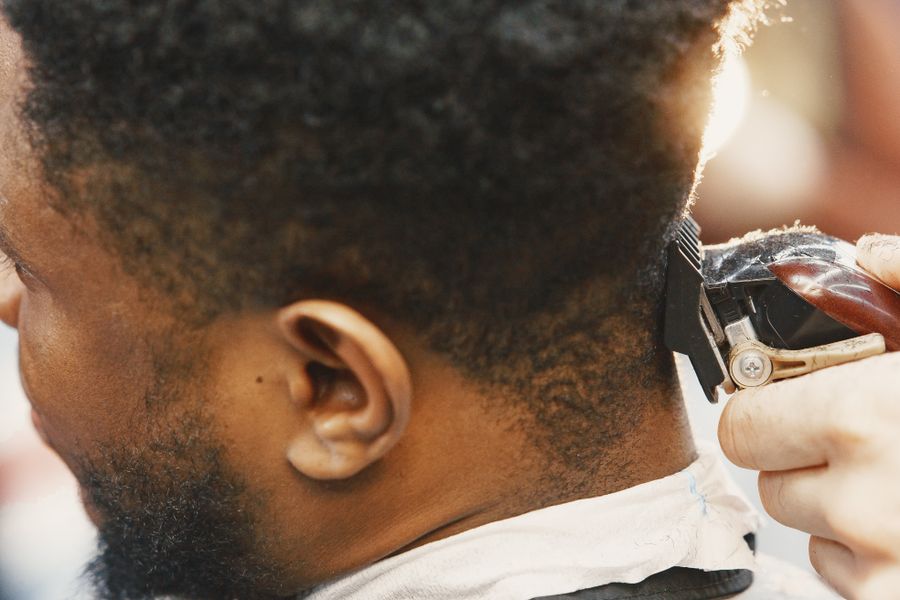
Choosing references and styling expectations by texture
Straight and wavy hair
For straight hair, compare the upper side connection and the front direction carefully. For wavy hair, notice where the bend begins and whether the photographed top has enough length to show it. A reference with similar movement is more useful than a very different texture labeled with the same fade name.
If you want a side part, ask whether the natural split supports it. If you want a fringe, discuss how it behaves without pressing it down. The barber can judge whether a softer front, extra length or a different amount of weight is more realistic.
Curly and coily hair
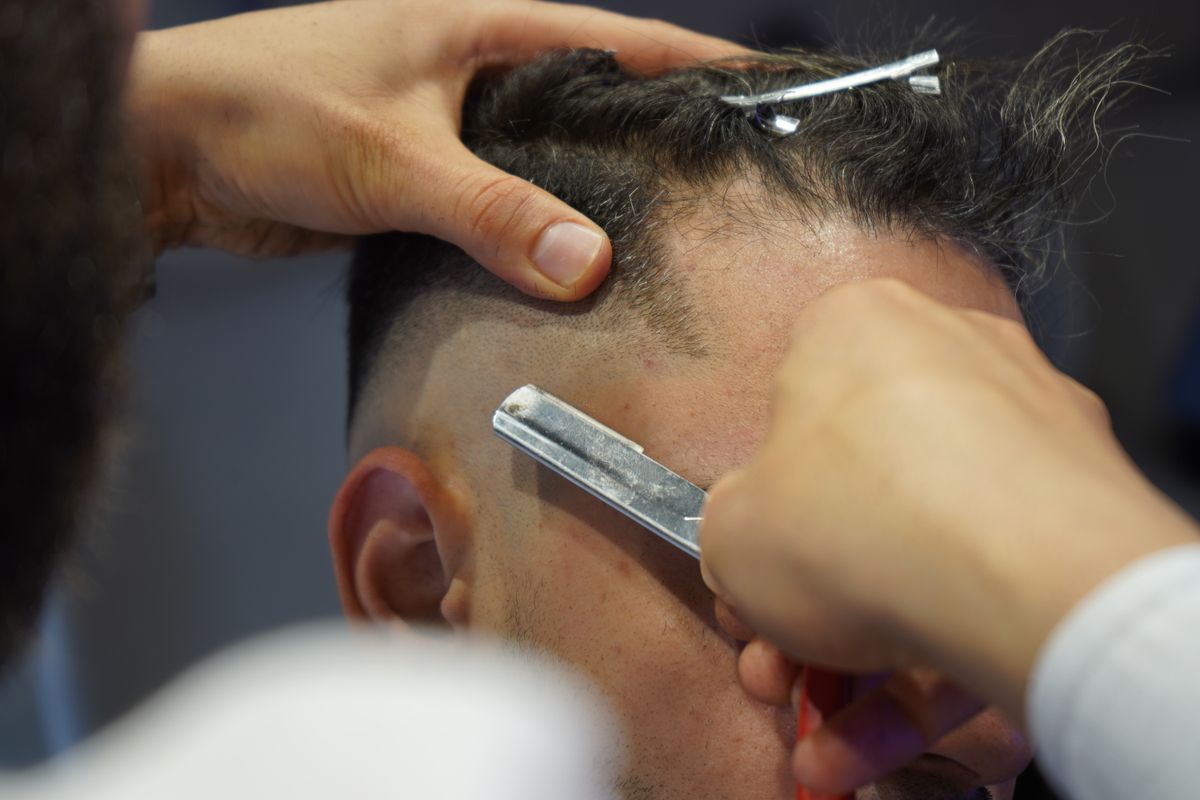
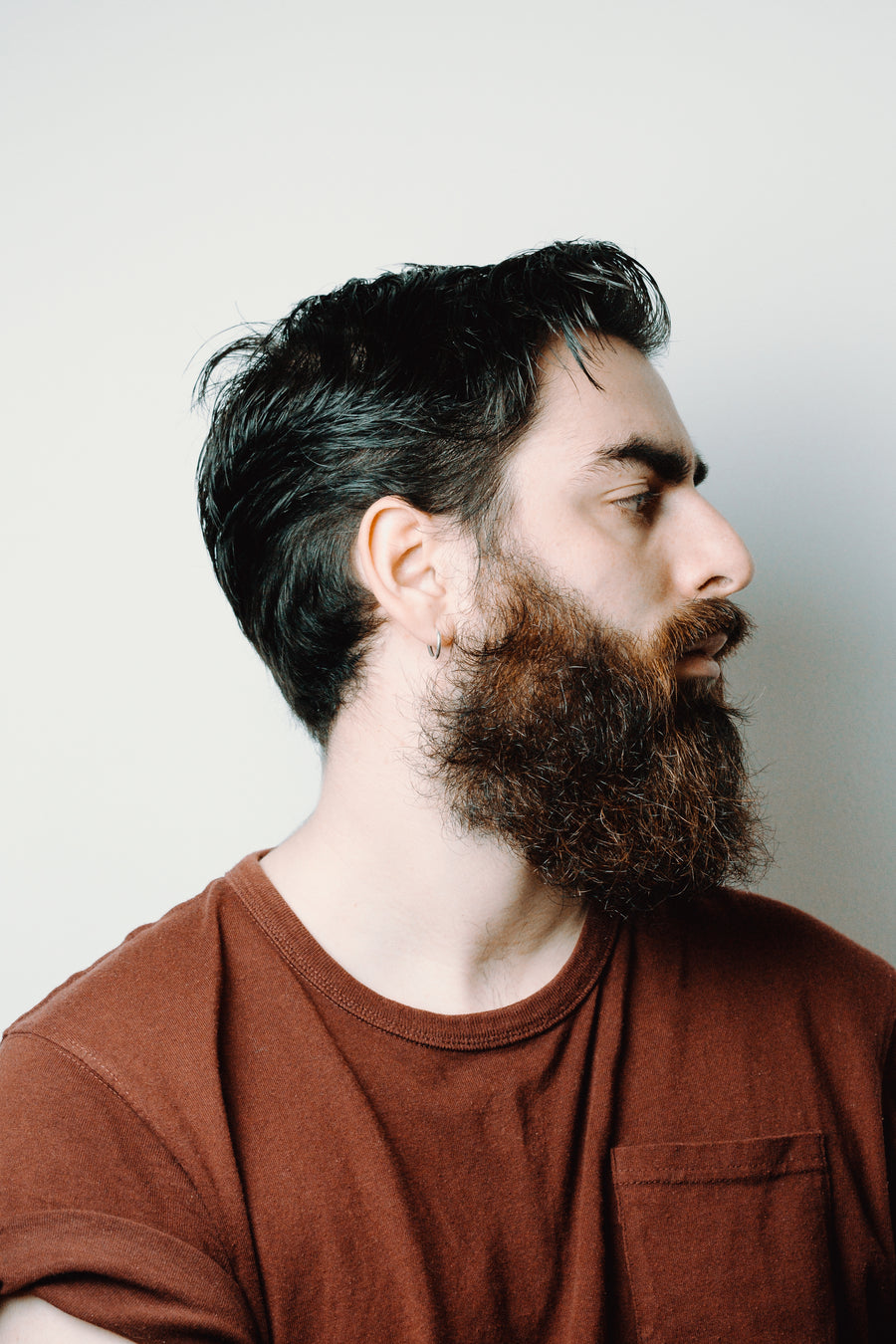
Describe the dry outline you want through the front, sides of the top and crown. “Keep the curls” can still leave the amount of fullness open to interpretation. Point out whether you want a compact top, a rounded outline or more height, and agree what should remain after the hair dries.
If definition and volume are competing priorities, say which matters more. Explain your usual routine instead of asking the barber to recreate a finish that depends on unfamiliar products or repeated manipulation.
When you are not sure how to describe your hair
You do not need to assign a precise texture label to have a useful consultation. Say what it does: sticks up at the crown, falls forward, curls tightly when dry or becomes bulky at the upper sides. Those observations give the barber something concrete to assess.
Use the style guide to choose a direction, then the consultation checklist to explain the behavior you want the cut to accommodate.
Details to discuss in the chair
Use the reference notes to describe your preference. These are real grooming photos, not a verified gallery of exact mid-fade variations.