A mid fade buzz cut combines a short clipper-cut top with a separate length transition on the sides. It is not an all-over single guard. Choose the top coverage first, then the lowest side length and blend placement.
Choose the version that fits your routine
Compare the result you want before deciding on a guard number or product.
| Direction | What changes | What to confirm |
|---|---|---|
| More top coverage | A visible difference between the top and short sides | Start from the longest version you would be comfortable wearing. |
| Closer top | Less daily shaping and a more exposed outline | Check the crown and front before committing to an overall short length. |
| Buzz with beard | A short top balanced by facial hair | Specify the beard connection without automatically shortening the cheek and chin. |
What makes this different from an all-over buzz
An all-over buzz usually aims for a similar short length across the head. Adding a fade introduces a deliberate transition through the sides and back, creating a different silhouette even when the top remains very short. The haircut is therefore not fully specified by asking for a buzz cut. Your barber still needs to understand the relationship between the top, the upper sides and the shortest area.
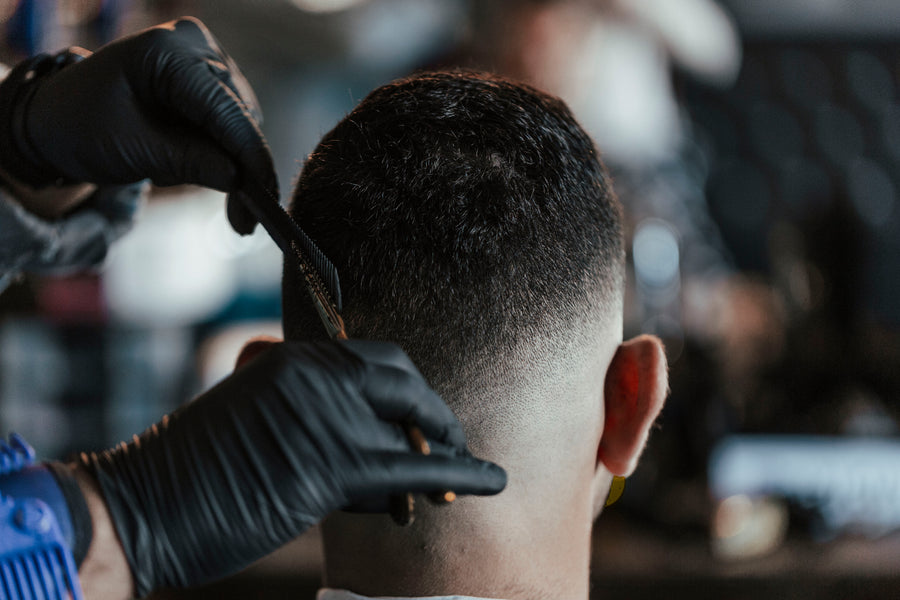
A useful reference shows the side profile clearly. Look at whether the top flows into the sides or appears more separate, and how much hair remains above the ear. If you like the top in one image but prefer softer sides in another, describe those features individually. Ask whether they can connect well on your head, rather than expecting two different pictures to combine without adjustment.
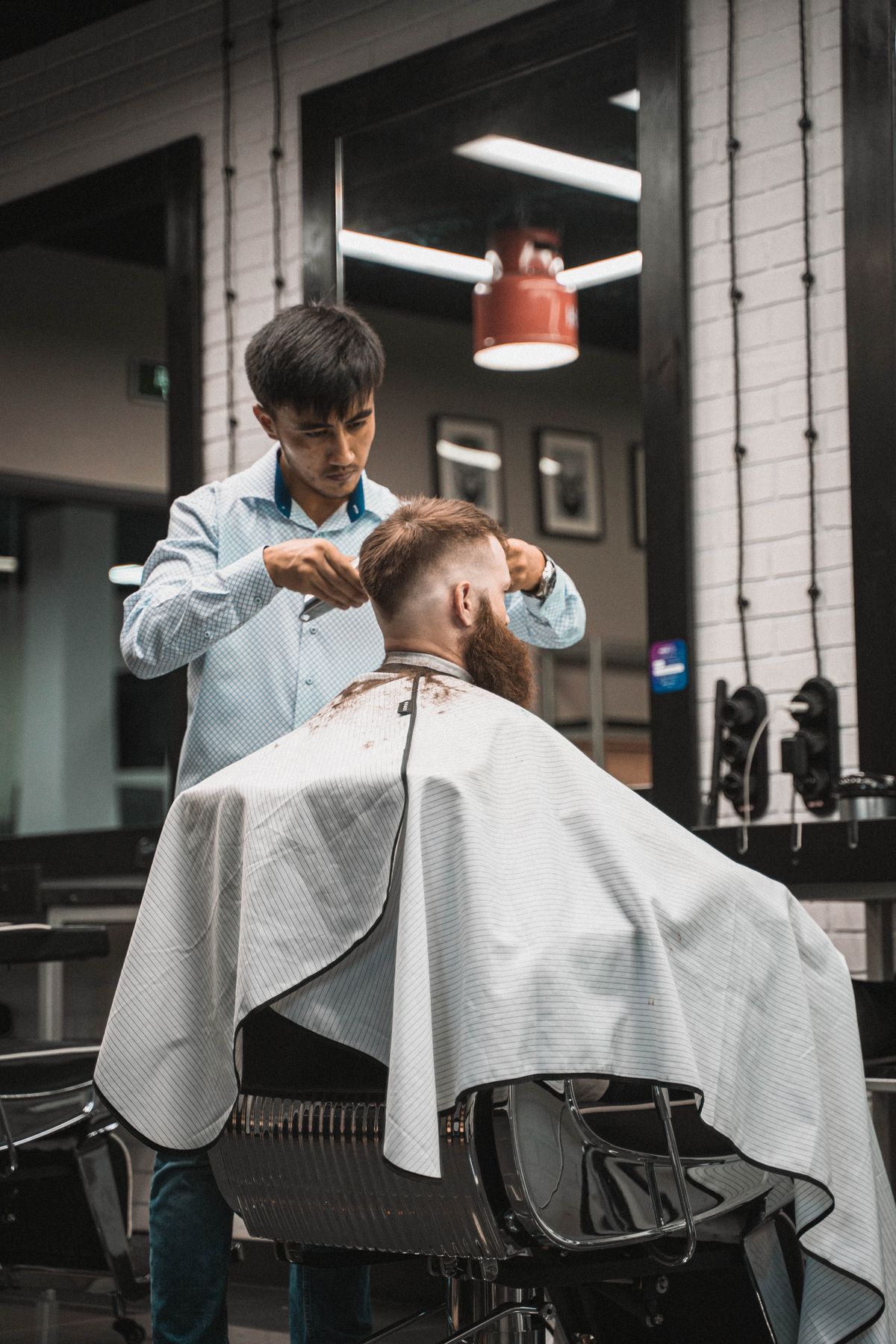
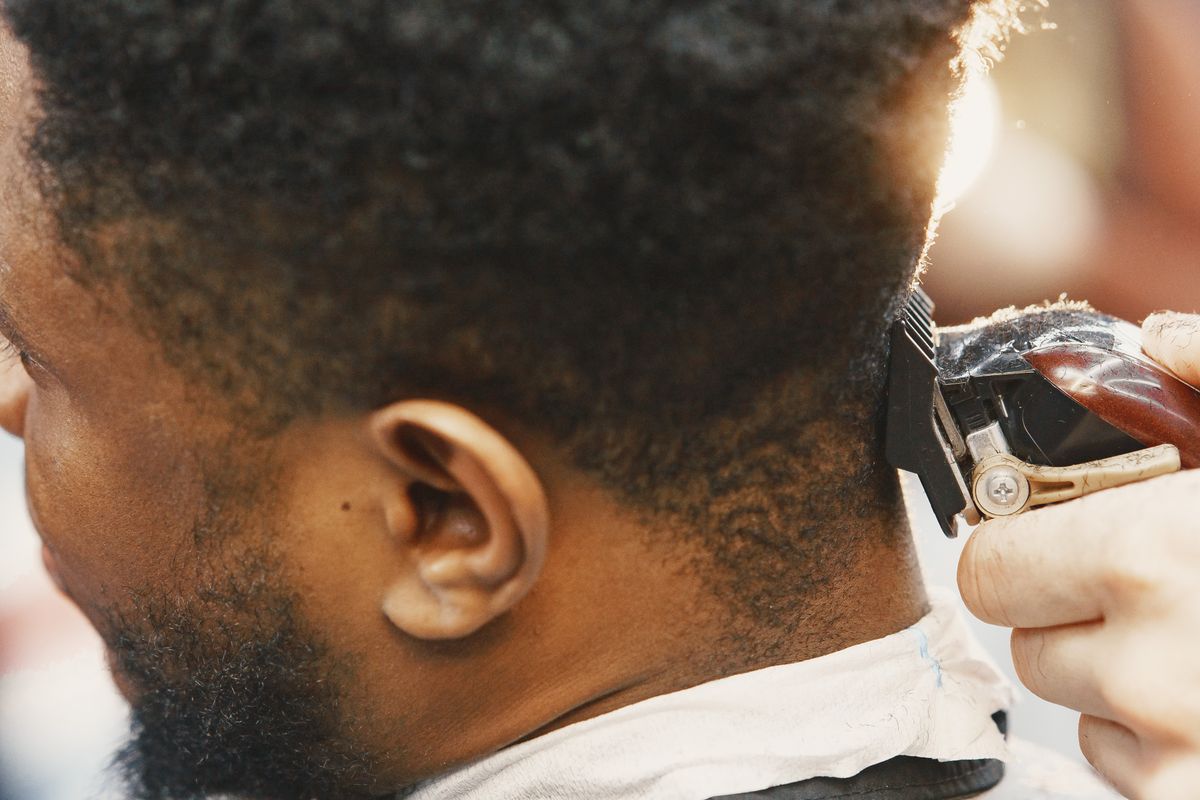
Choose the top length before choosing a number
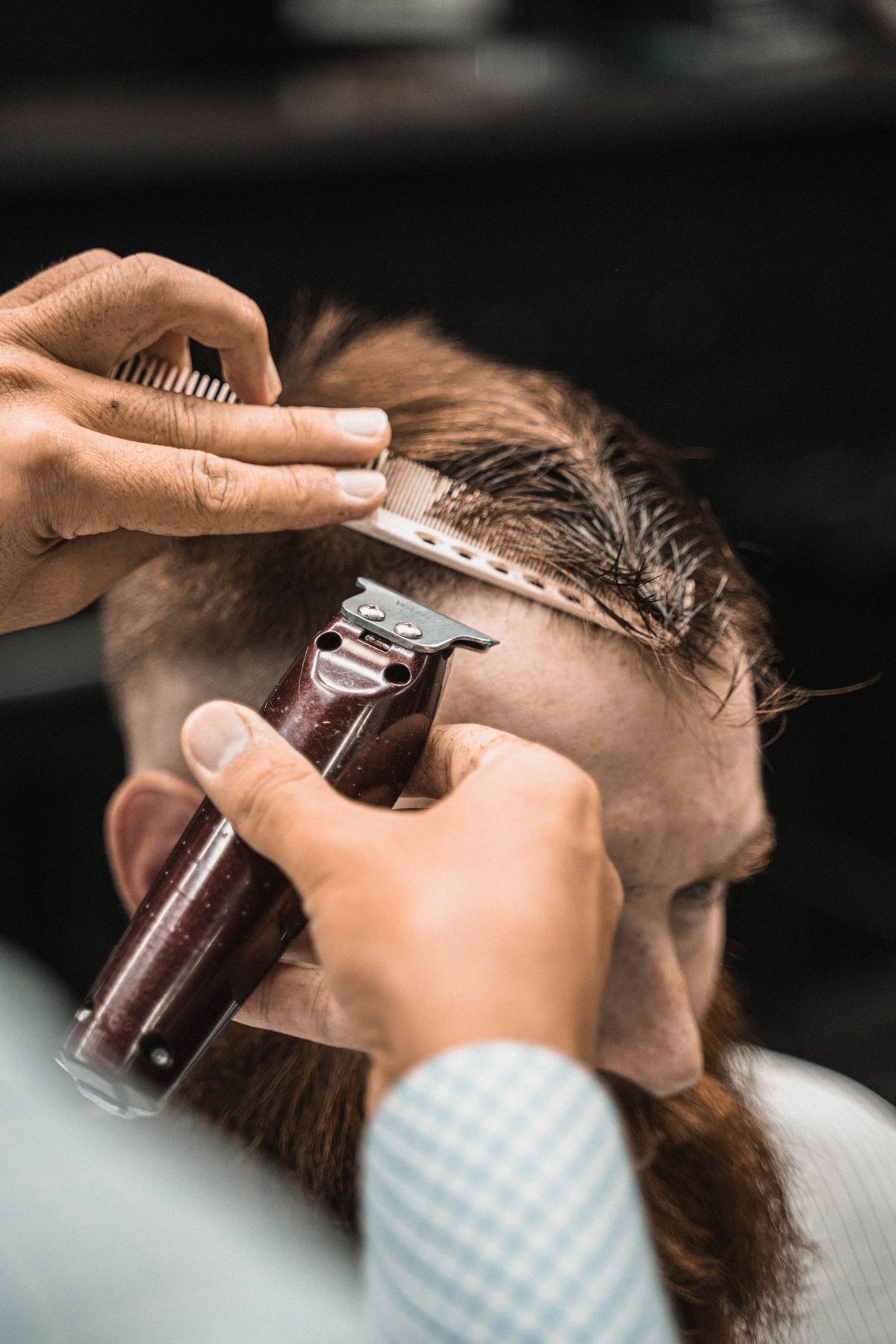
A guard number is useful once you and the barber agree on the desired result, but a number alone cannot show how much scalp will be visible. Hair density, colour contrast, growth direction and lighting affect the appearance. Ask to discuss the coverage you want, then have the barber explain the setting that could achieve it on your hair.
If this is a substantial change from a longer cut, it can help to begin with a more conservative length and assess before taking more off. Explain which details concern you: an exposed crown, a visible hairline or a top that feels too close. This gives the barber a clearer problem to solve than asking for the shortest version simply because the reference looks clean.
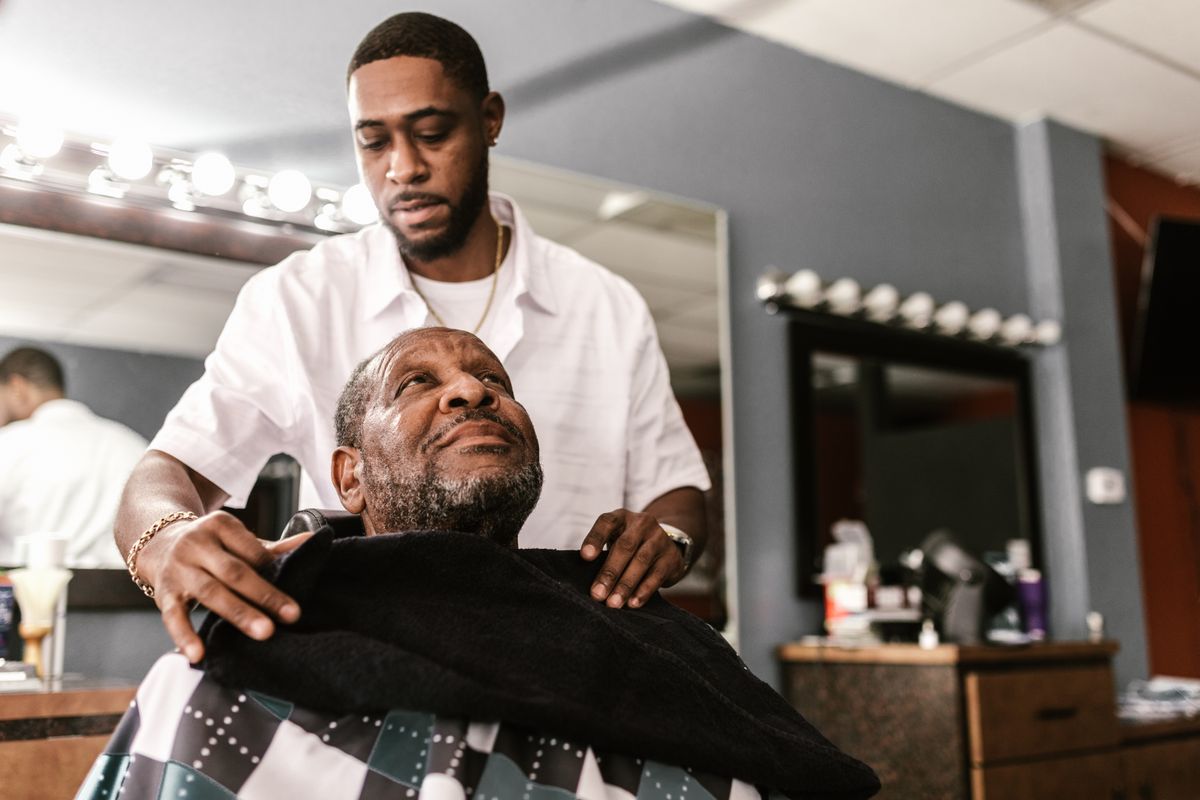
Skin finish or some visible coverage
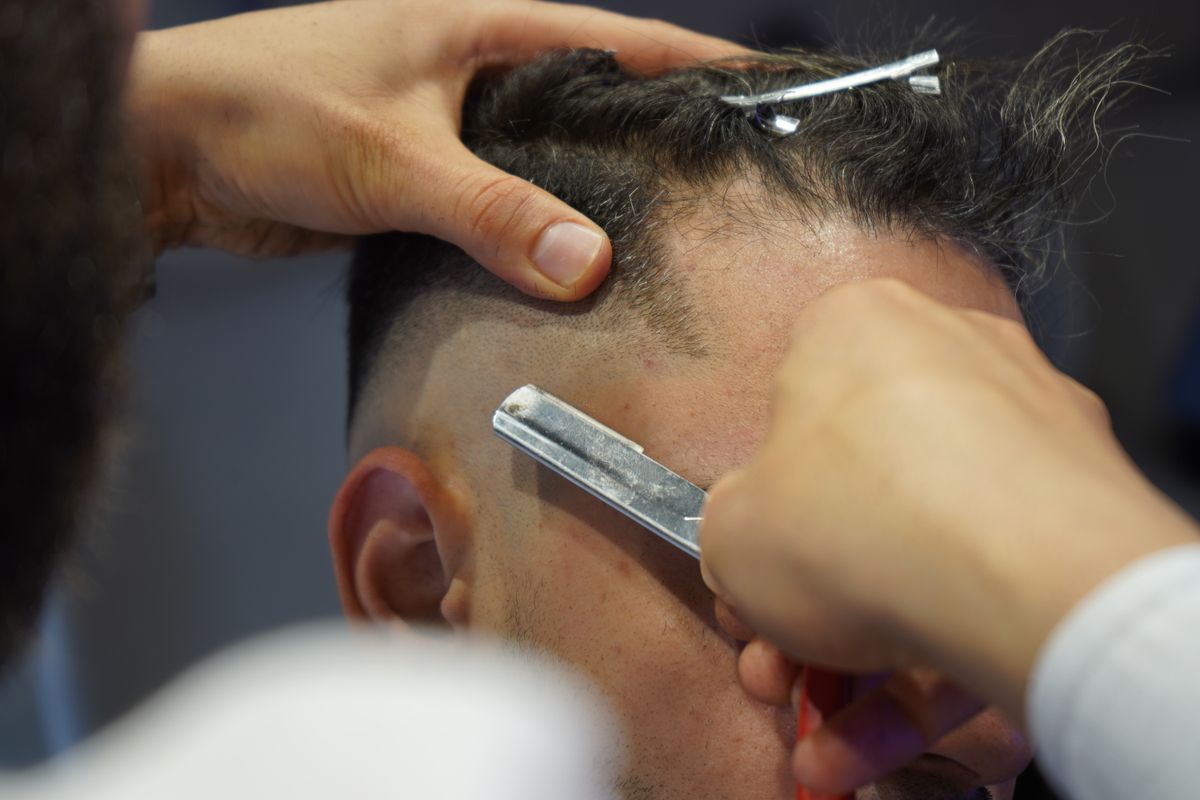
A mid fade does not automatically require bare skin at the bottom. You can ask for visible hair at the shortest point, a closer finish, or a skin finish. These choices change contrast and the amount of scalp you see. Confirm the finish separately from the placement so that the word mid does not become an assumption about closeness.
A very close finish may make new growth noticeable to you sooner, particularly if your favourite part is the fresh contrast. Keeping a longer shortest setting may produce a softer transition that you are happier wearing as it grows. Neither removes maintenance altogether. Think about the appearance you enjoy between appointments, not only the photograph taken immediately after the cut.
Hairline, crown and head shape
Short hair leaves less length to redirect or cover the natural outline. Before cutting, show the barber any area you normally work around, such as a crown that separates or hair that grows in a different direction near the front. Ask whether preserving a little more length would help the shape sit evenly.
Discuss the hairline as its own decision. A sharply defined edge is optional, and asking for a tidy finish should not mean moving the natural outline farther back. If you prefer a softer edge, say that explicitly. Likewise, a buzz cut is not a promise to correct every irregularity in density. An honest consultation should explain what the haircut will reveal as well as what it will simplify.
How a beard changes the overall look
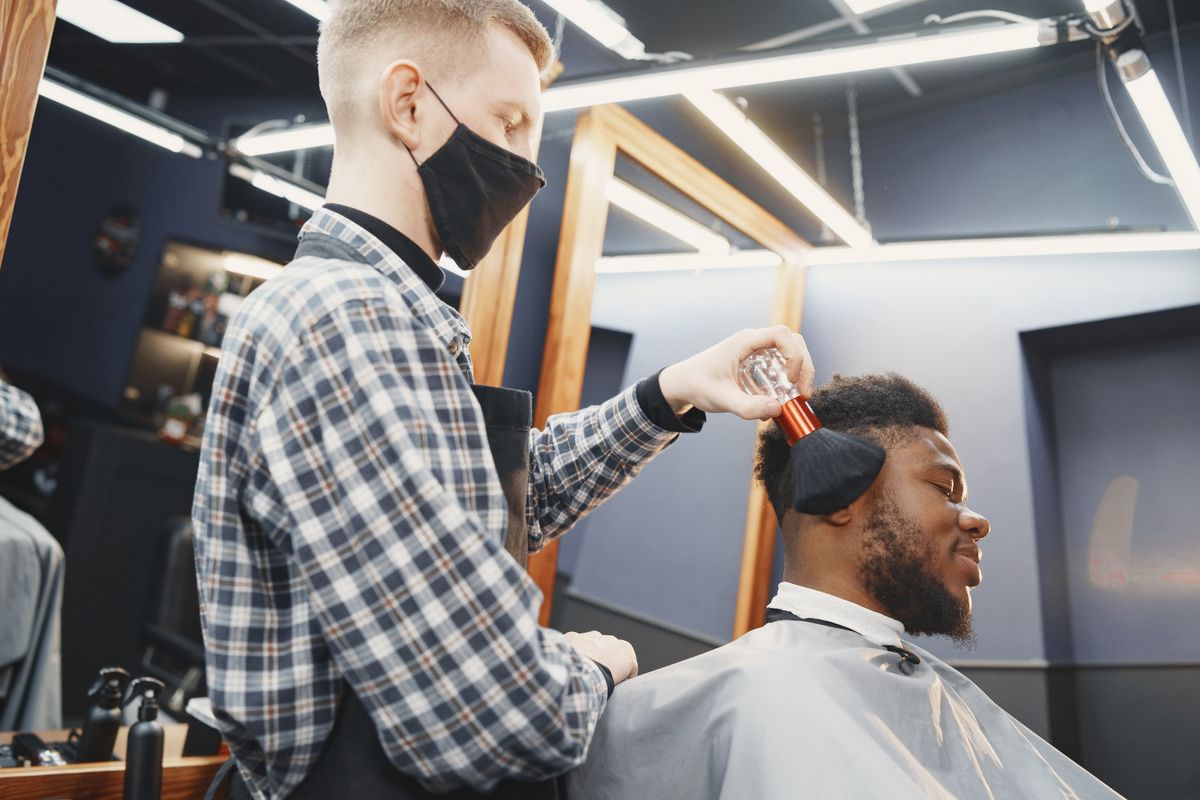
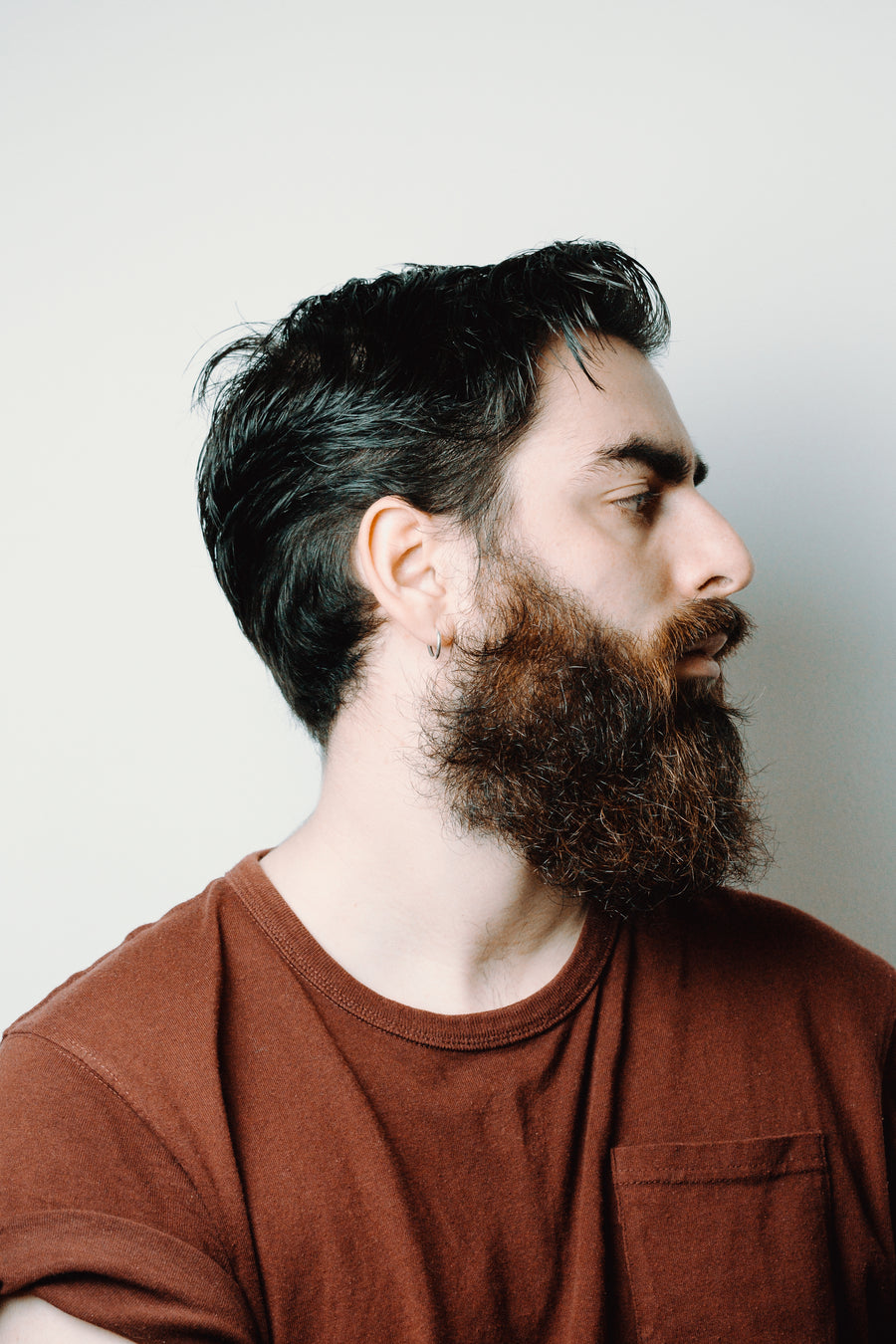
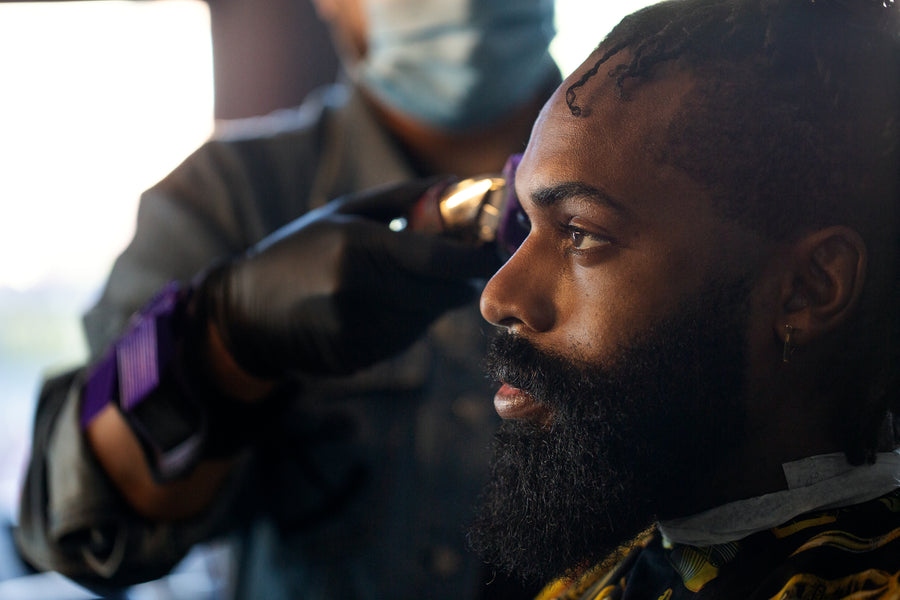
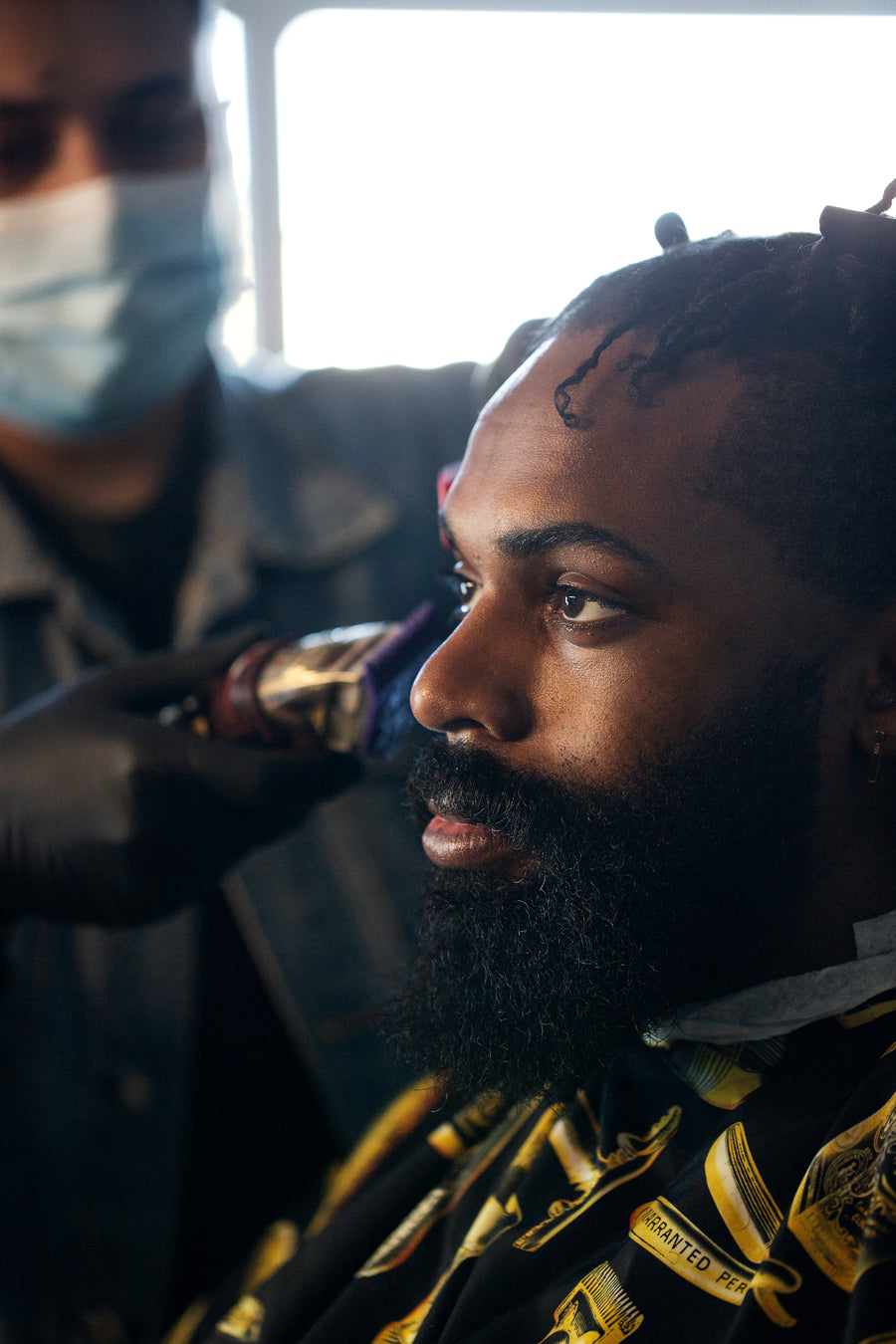
With a short top, facial hair becomes a prominent part of the overall silhouette. Decide whether you want a continuous sideburn blend or a more obvious separation. A smooth connection can still leave the beard fuller through the cheek and jaw; those areas do not have to be cut as close as the sideburn.
If you have been growing your beard, point to the length and fullness you want preserved. Confirm whether beard work is included in the appointment and what the barber plans to change. A reference can show a useful haircut while displaying a beard you do not want. Saying “only the hair, not the beard shape” avoids turning an image into instructions for both services.
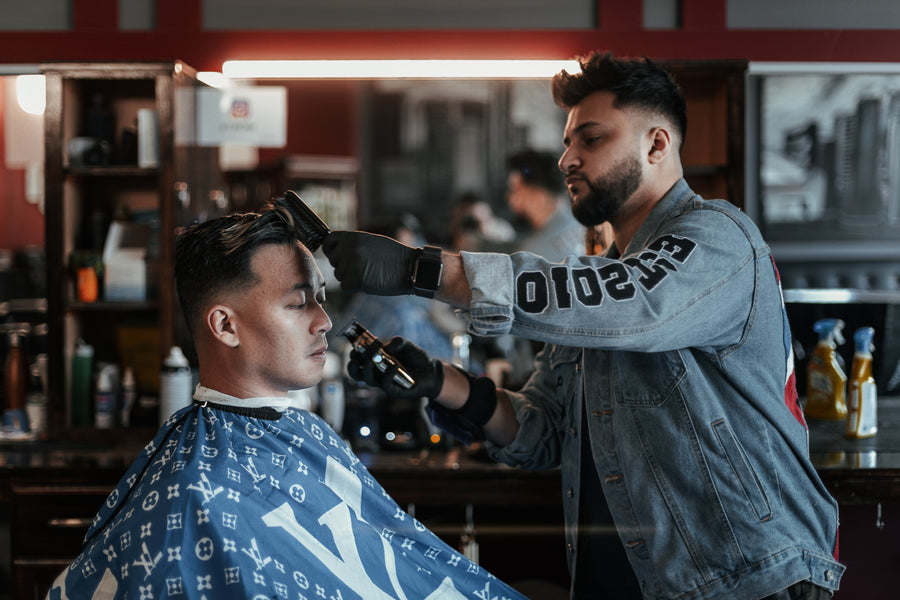
The daily routine and the grow-out
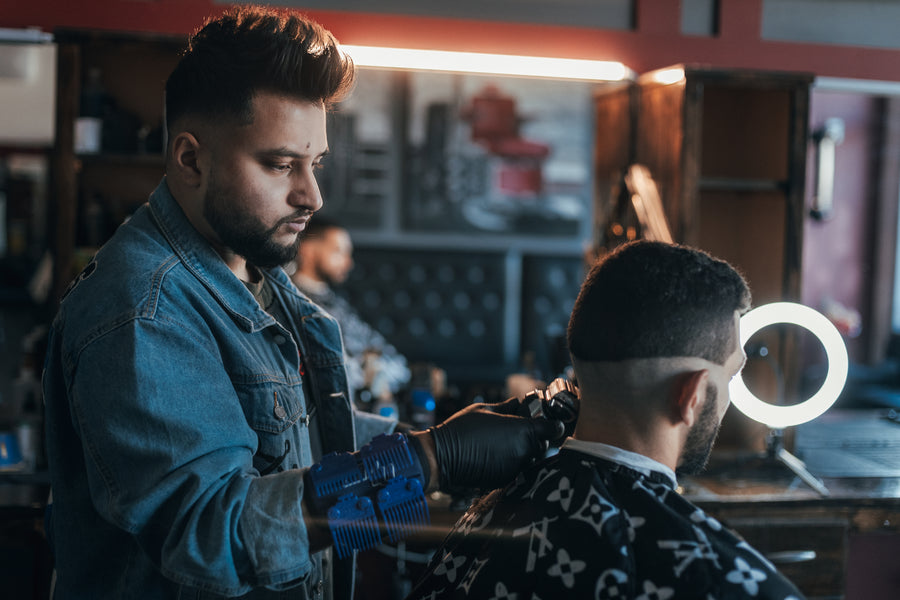
A buzzed top usually asks less of styling than a longer fringe or swept-back style because there is little hair to arrange. Keep your ordinary hair and scalp care simple, and follow the directions for any products you already use. You may find that styling product contributes little at this length, so do not assume the new cut requires a shelf of new products.
Track what changes as it grows. The outline may soften before the top becomes difficult, or the upper sides may start to look wider. Photograph the same angle in similar light and bring that comparison to the next appointment. Describe the area that changed rather than asking for everything shorter. A maintenance visit can then address the actual problem without resetting length you wanted to keep.
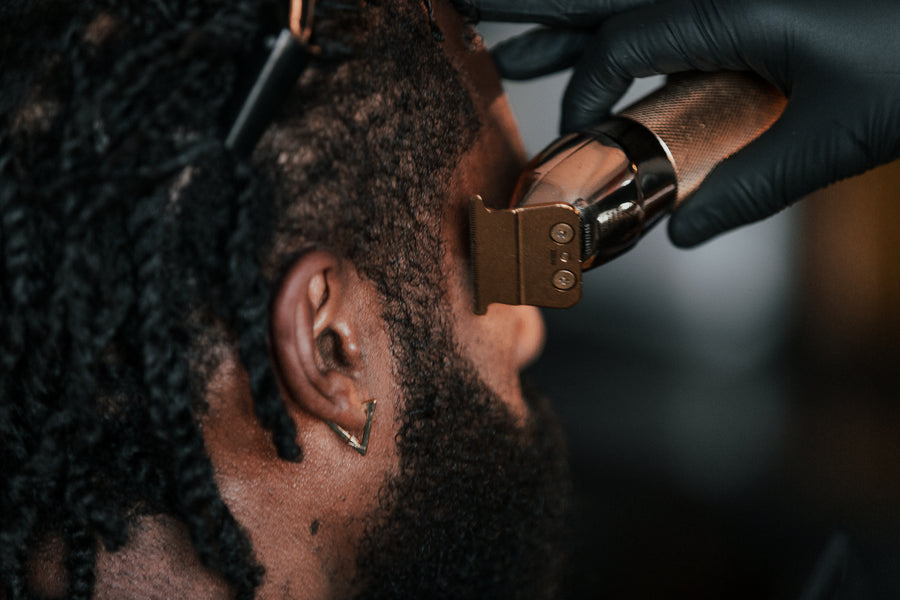
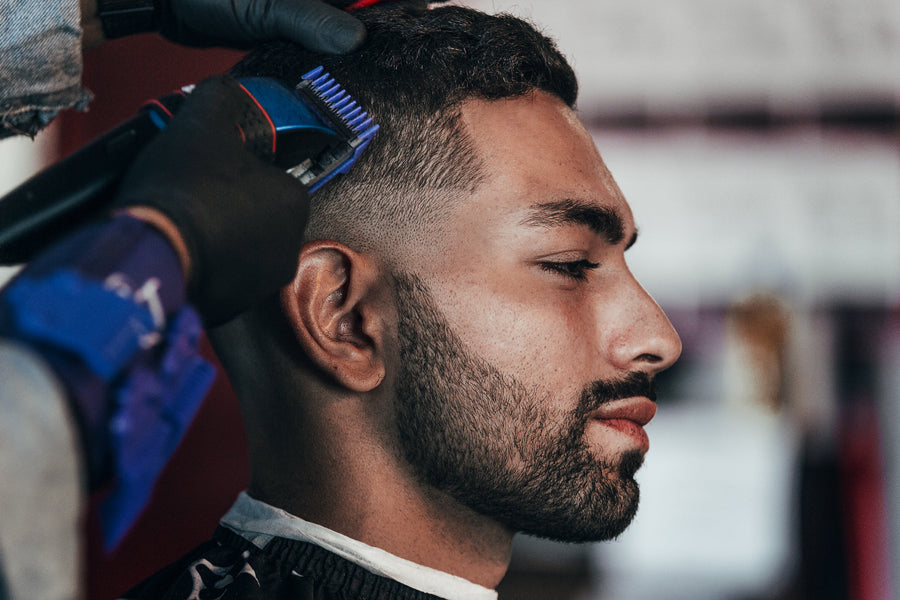
Moving into or out of a buzz cut
When moving from long hair to a buzz, consider whether you want the full change in one appointment or a slightly longer first version. The latter gives you a chance to assess the hairline, crown and amount of exposed scalp. It is a choice about comfort, not a rule that everyone needs to follow.
When growing the top out again, tell the barber that the goal has changed. Repeating the original top setting at every visit prevents that progress. Ask which areas can be tidied while the top gains length and whether an intermediate crop or short textured shape is realistic. The side treatment may also need to soften as the top grows, depending on the silhouette you want next.
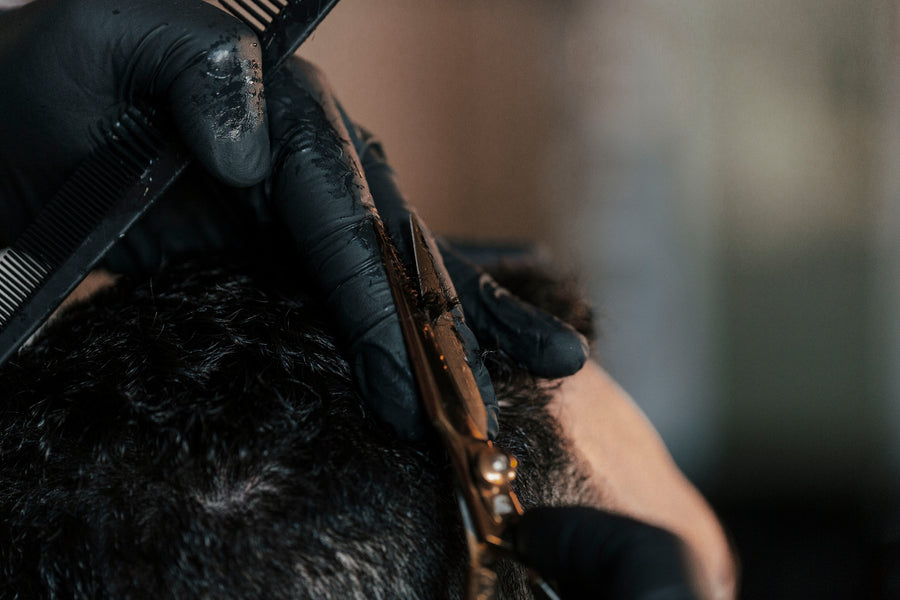
A routine you can test at home
- Brush or arrange the short top in its usual growth direction after washing.
- Check the outline without relying on a styling product to change the cut.
- Keep a note of the actual top guard used, rather than only writing “mid fade.”
- At the next visit, specify whether the top needs cutting again or only the sides need refreshing.
The crown looks lighter than the rest of the buzz
A crown changes growth direction, so light can show through it differently. View the area in more than one light before assuming the cut is uneven. If coverage is the priority, discuss retaining more top length next time; taking the rest shorter simply to match may expose more scalp overall.
A more precise barber request
I want a buzz top with visible coverage and a mid fade on the sides. Let us check the proposed top length first. Keep the front outline natural and do not take the beard shorter unless we agree.
An example request to adapt, not a guaranteed result or a record of a tested client.
Common clipper guard labels
| Guard | US inch label | UK nominal mm label |
|---|---|---|
| #1 | 1/8 | 3 mm |
| #2 | 1/4 | 6 mm |
| #3 | 3/8 | 10 mm |
| #4 | 1/2 | 13 mm |
Reference: Wahl US guard guide and Wahl UK #1–4 attachments. Check the tool markings; nominal labels are not an exact prediction of visible coverage.
Common questions
Does a buzz cut mid fade have to go to skin?
No. Mid describes the approximate placement of the transition. You can keep visible hair at the lowest point or request a skin finish. Confirm both placement and closeness.
Which guard is best on top?
There is no single best setting for every person. Agree on the coverage and appearance you want, then ask the barber to explain the proposed guard on your hair.
Is it maintenance-free?
It may reduce daily styling, but outlines and contrast still change with growth. Choose a refresh interval based on when your own haircut stops looking or feeling useful.