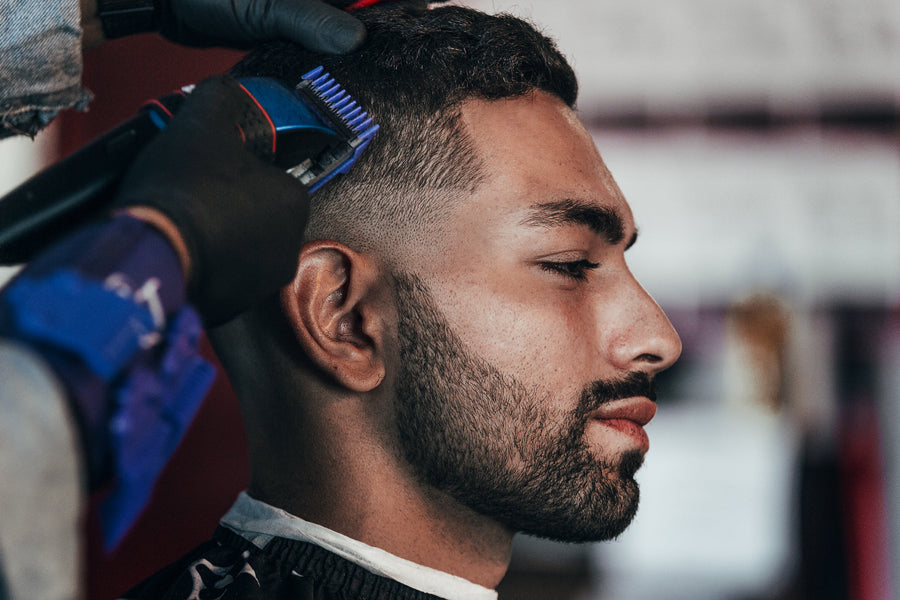
A mid skin fade places the blend at a medium height and takes its shortest area to a bare-skin finish. Height and closeness are separate choices. A mid fade can also retain short visible hair instead of being finished to skin.
Choose the version that fits your routine
Compare the result you want before deciding on a guard number or product.
| Direction | What changes | What to confirm |
|---|---|---|
| Mid skin finish | The shortest area appears bare | Point out how high you want that exposed area to reach. |
| Mid fade with visible hair | Some coverage remains at the base | Specify the actual shortest length rather than assuming “fade” means bald. |
| Localized skin taper | Close detailing at selected edges | Confirm that the shorter area stays at the temples and nape rather than wrapping broadly around the sides. |
Mid describes placement; skin describes finish
The word mid refers to where the blend sits relative to the sides of the head. Skin describes the shortest end of that blend. You can have a low, mid or high skin fade, and you can also have a mid fade that keeps visible hair at the base. The terms provide different pieces of information, so use both when the finish matters to you.
Placement is not a universal line that fits every head. Ask the barber to indicate where the transition will sit on you and how much of the side will be taken close. Look at the coverage you want around the ear and behind it. A photograph can help communicate the intended balance, but it should be adapted to your shape rather than treated as a measured cutting template.
Decide how much exposure you actually want
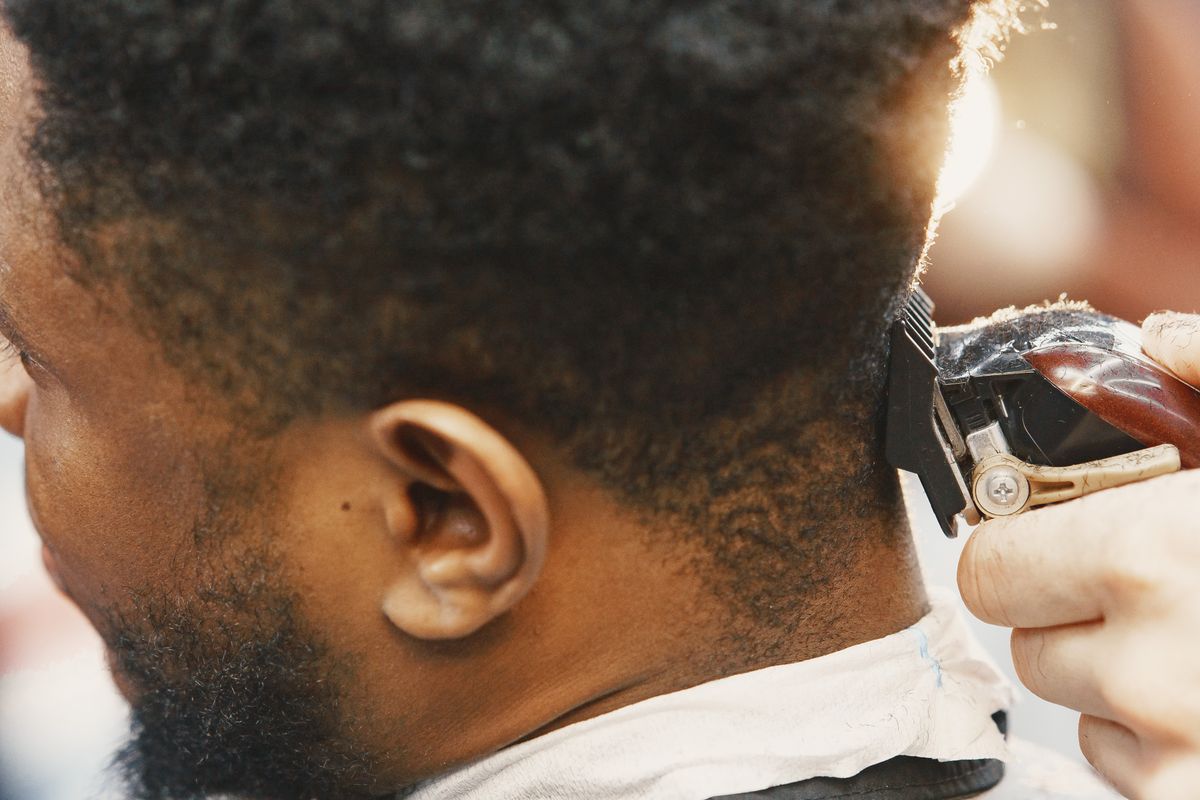
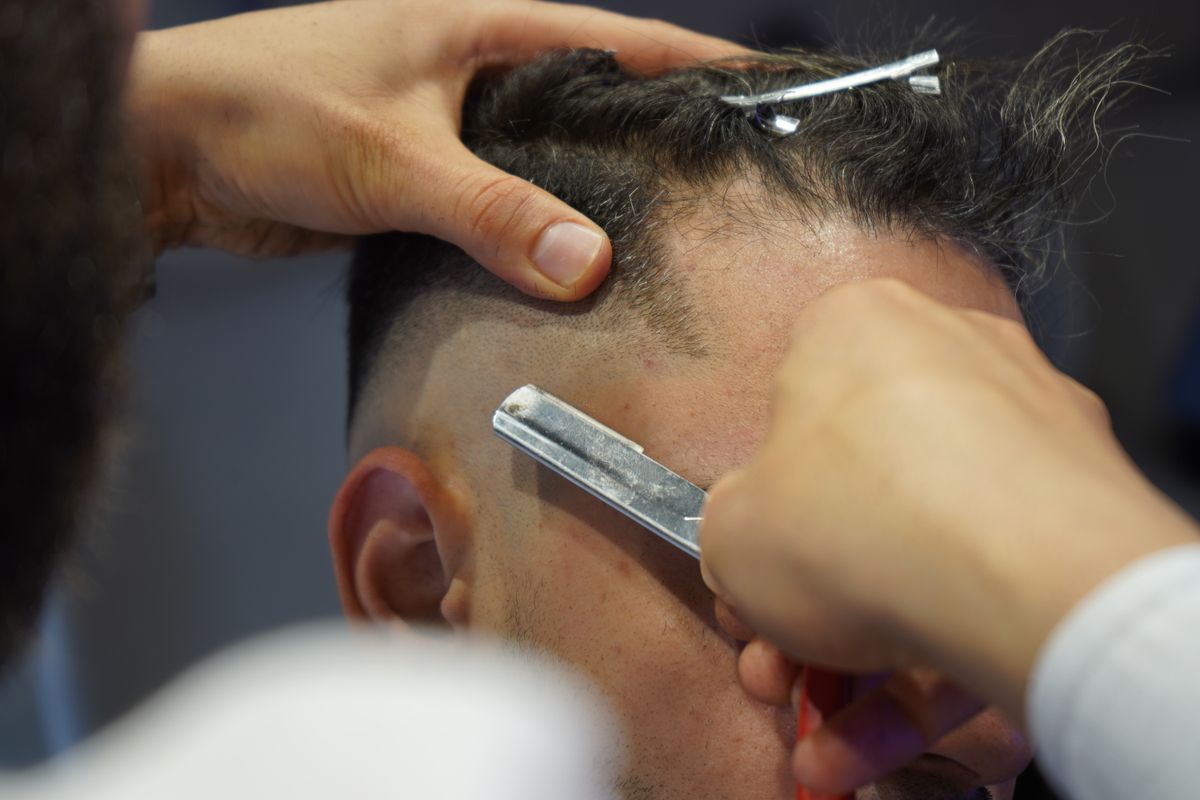
A skin finish creates a clear difference between the shortest area and the fuller hair above it. The appearance of that contrast also depends on hair density, hair and scalp color, lighting and the top length. A reference photo may therefore look more or less exposed than the same general request would on you.
If your main concern is keeping some coverage, discuss a longer shortest finish before the appointment begins. You can still ask for a mid-height blend. If you do want skin, confirm how far the close area extends and where fullness should remain. Avoid describing the entire haircut as “shorter” when only the bottom is the part you want close. The upper-side connection can retain weight even when the base is taken down to skin.
Choose the top on its own merits
A skin fade can sit below a short buzzed top, a textured crop, natural curls or a longer swept-back shape. Those tops do not share the same routine. A clipped top may need little arranging, while a longer top may need drying and product to hold its direction. Decide what you want to do each morning before choosing the most dramatic photograph.
Think about the overall silhouette rather than treating contrast as the only goal. A fuller top above close sides can look different from a compact crop above the same finish. If you like the sides of one reference but not its fringe or height, say so. Ask the barber to explain how your preferred top will connect to the blend and whether you currently have enough length for that direction.
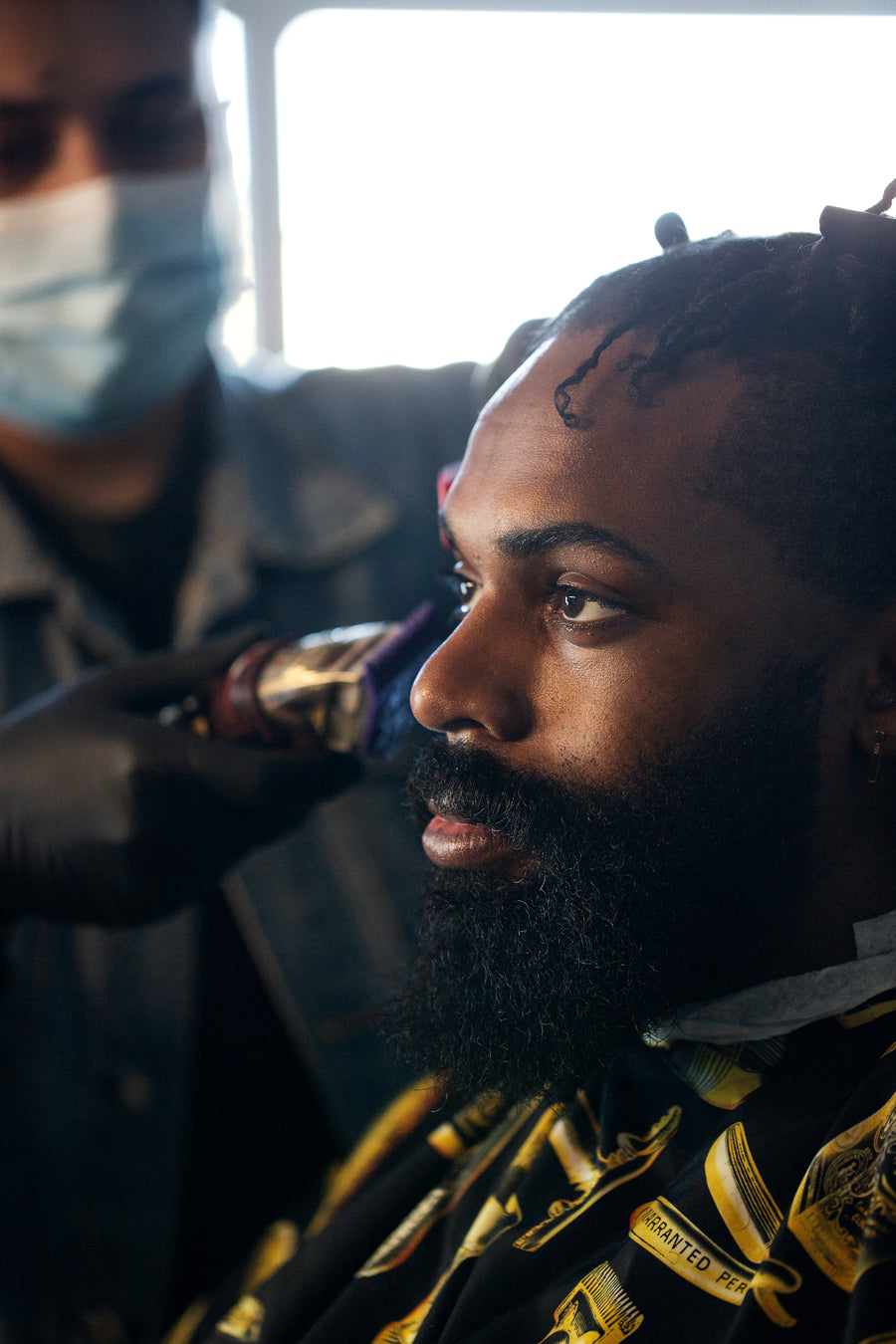
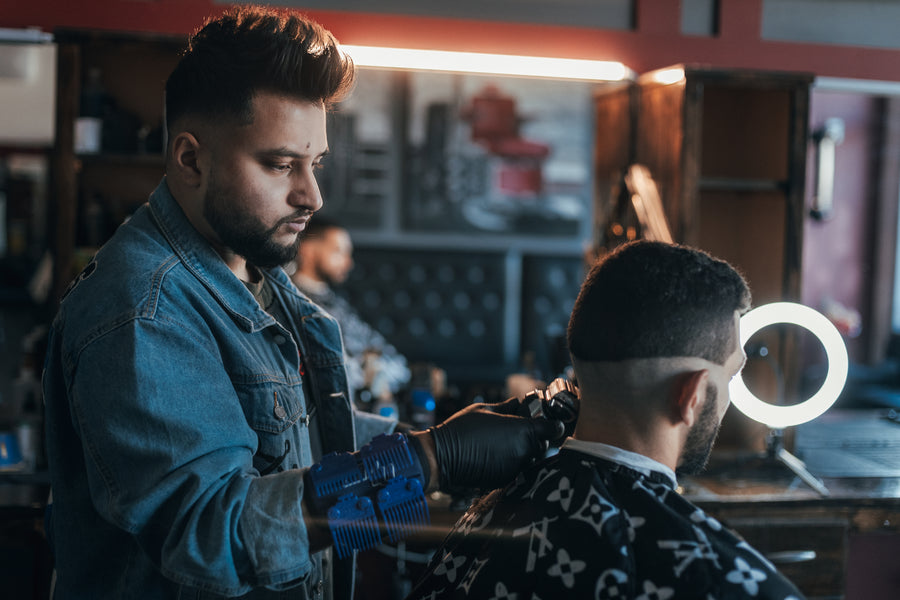
Look behind the ear and at the back
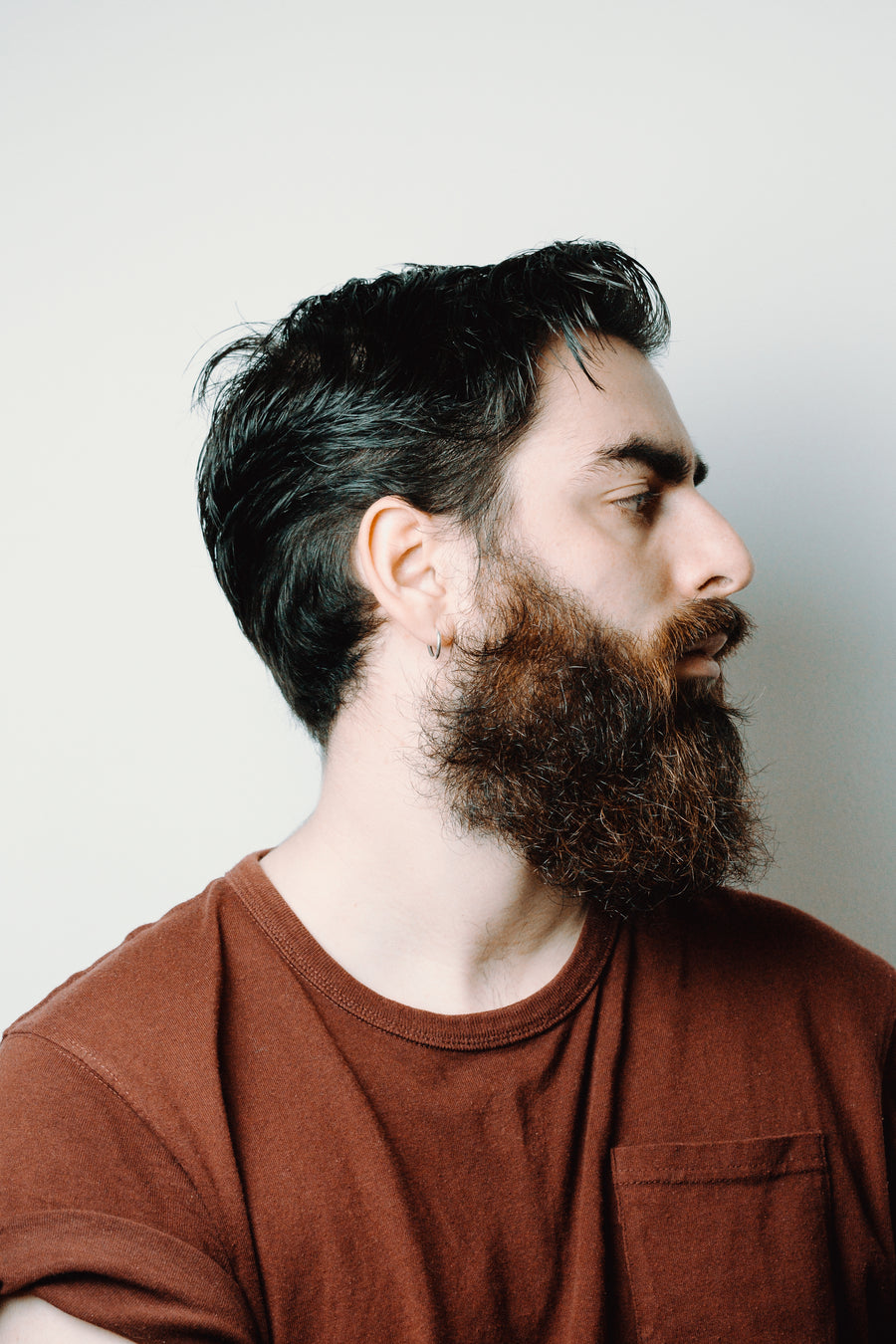
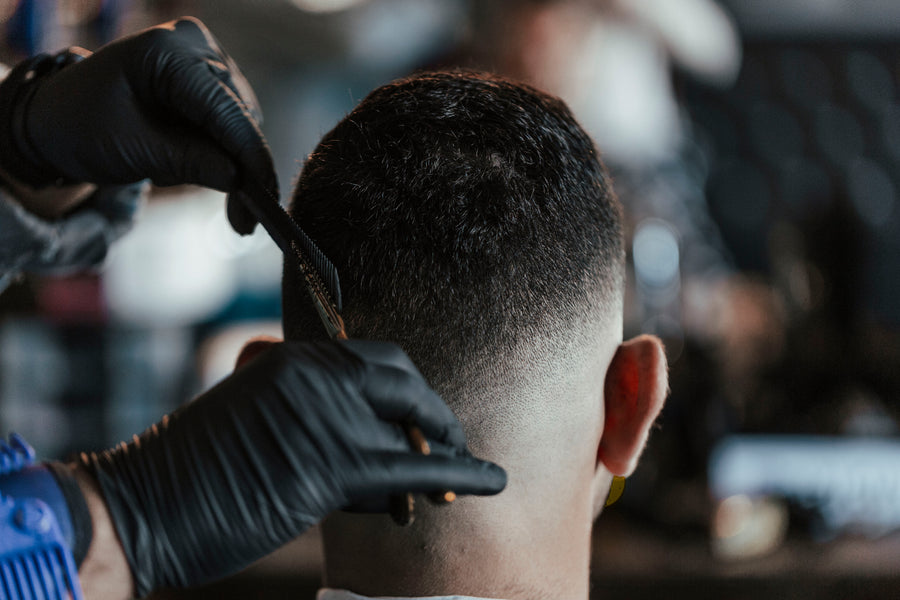
The side profile does not show the entire route of the blend. A more level contour and a drop behind the ear create different back shapes, even if the shortest finish is skin in both cases. If a reference shows a contour you like, ask your barber to identify it and explain how it would work with your head shape.
Do not assume that skin fade means removing all coverage equally around the back. The placement and contour need their own discussion. Bring a rear view of the same haircut where possible, and point out the neckline finish you prefer. If you only have a front photo, acknowledge that the back is still undecided. Asking to see the proposed shape before cutting reduces the chance of a surprise when you finally look in the mirror.
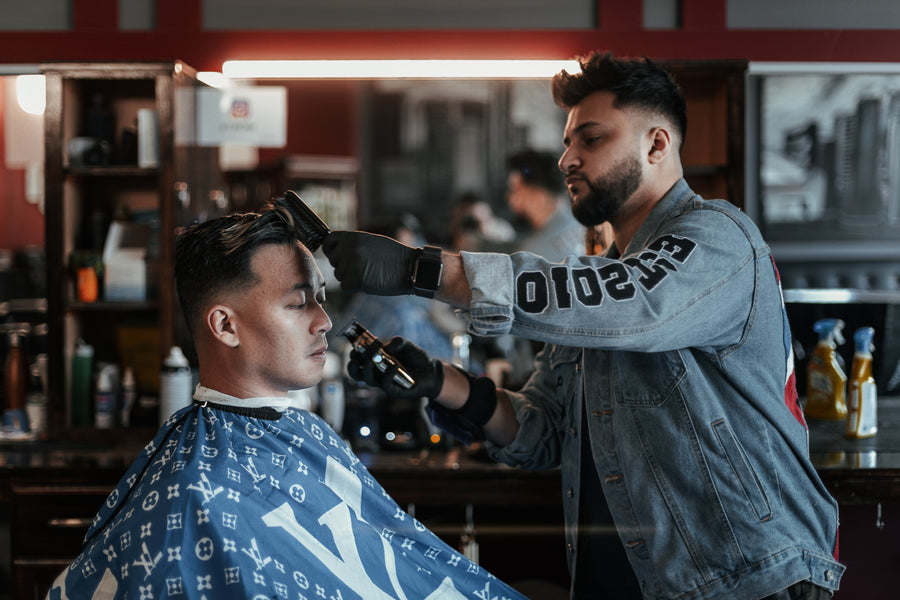
Compare a skin fade with a localized taper
A taper often concentrates the shortening around the temples or sideburns and neckline, while a fuller fade changes a broader area of the sides and back. Usage varies between shops, and a taper can also have a very close shortest finish. The distinction is not simply “skin versus no skin.” Ask how much of the head will be affected by the proposed blend.
If you want clean temples while retaining more coverage elsewhere, show that explicitly. If you want close sides across a larger area, explain that instead. A clear side and back reference is especially helpful because a front portrait can make the two approaches look more similar than they are. Confirm the amount of coverage, shortest finish and route of the transition instead of relying on one label to communicate all three.
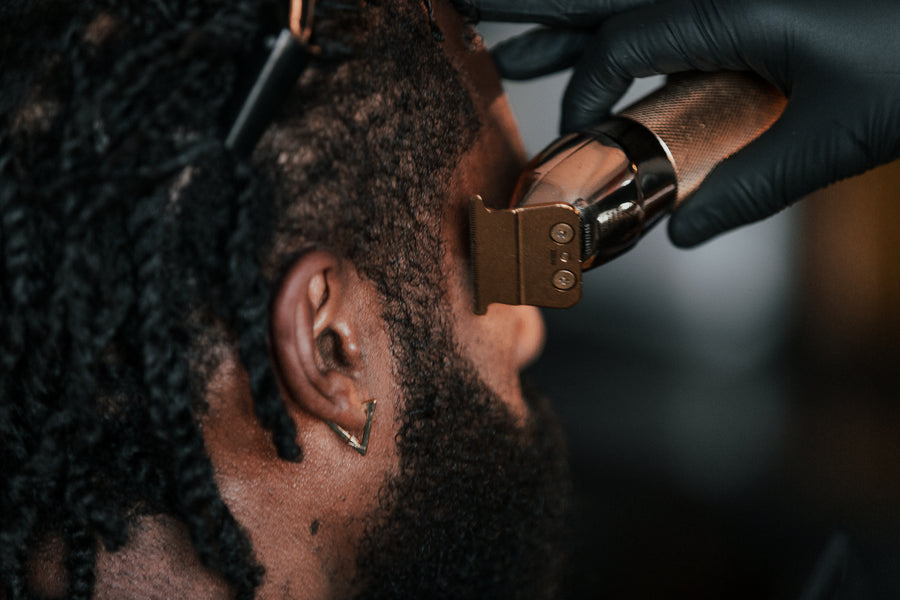
Make the first request clear and complete
Try: “I would like a mid skin fade, but please show me the height and keep the upper-side connection soft. I want the top worn in this direction, and I prefer this outline.” Point to the direction and outline in your reference. If you want a drop contour, beard blend or natural front hairline, discuss each detail separately.
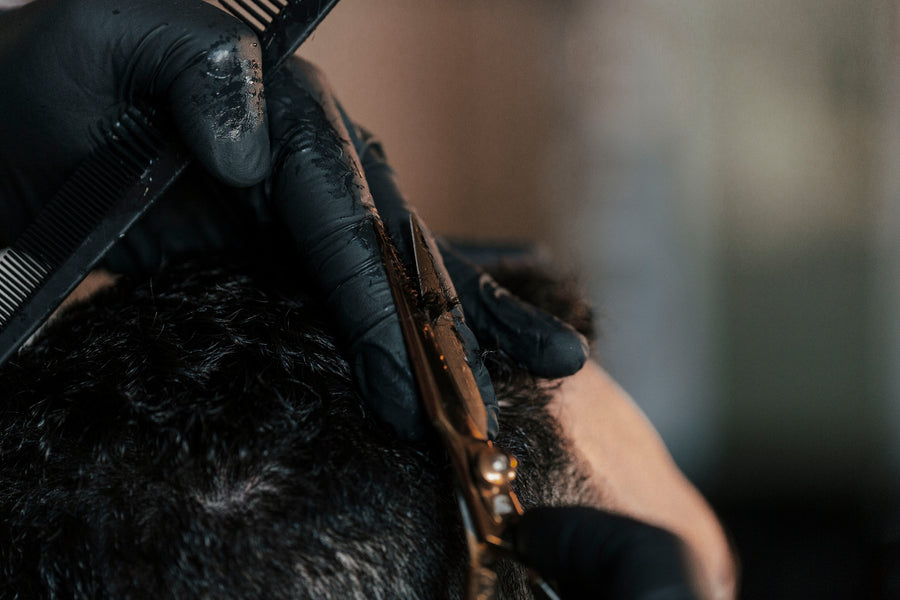
Mention your previous experience with very close cutting and whether you prefer a different finish at particular areas. You do not need to request a specific razor or tool to describe a skin result; let the barber explain their method and any alternatives. Before cutting begins, confirm the top length, fade placement, skin area, edges and beard service. A few explicit decisions are more useful than a long list of technical terms that may mean different things to each person.
Plan for changing contrast as hair returns
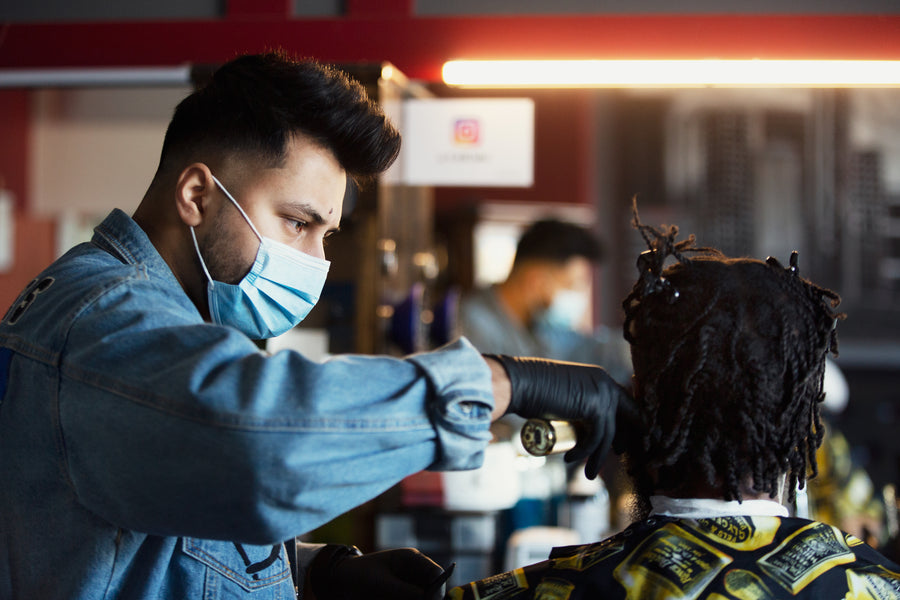
The fresh skin-to-hair contrast changes as growth becomes visible. How soon that bothers you is personal. Someone who likes the newly cut appearance may choose a different appointment rhythm from someone happy with a softer finish. There is no need to present one interval as a requirement for every person wearing a skin fade.
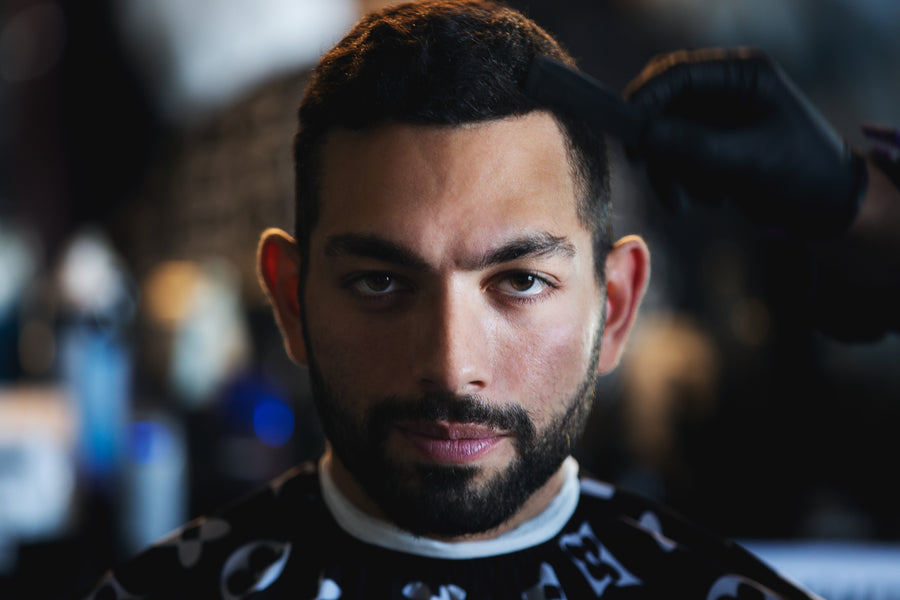
Take a day-one photograph and note when the cut stops looking or feeling right to you. Identify whether the issue is the shortest area, the outline or returning bulk higher up. Those need not call for the same adjustment. If frequent appointments become inconvenient, ask about a longer finish or a different contour. A sustainable haircut is one you enjoy between visits as well as in the photograph taken immediately afterward.
A routine you can test at home
- Look at the finish in ordinary light rather than judging only a sharply lit barber photo.
- Style the top as usual; extra product cannot restore the freshly bare appearance of the sides.
- Record when the contrast first stops looking fresh to you.
- Use that preference to plan a refresh, rather than treating someone else’s schedule as a fixed rule.
The exposed area feels higher than the reference
The top of the bare area and the top of the whole blend are not the same boundary. Point to both in the reference before cutting. A request for “mid” alone leaves room for interpretation, especially when head shape and the photograph’s angle differ.
A more precise barber request
I want a medium-height blend with a skin finish only in the lower area. Show me where the bare section will stop and how it will connect to the top before starting.
An example request to adapt, not a guaranteed result or a record of a tested client.
Common questions
Is a mid skin fade the same as a mid bald fade?
The terms are often used for a finish reaching skin, but confirm the placement and exact result with your barber rather than relying on the label alone.
What guard number is a mid skin fade?
There is no single guard that specifies the whole haircut. Skin is the shortest finish; the transition, top and placement involve other decisions and techniques.
Can I keep a full beard with a mid skin fade?
Yes. Tell the barber where the beard should remain dense and how you want the sideburn transition handled. Close hair at the side does not require a short beard everywhere.