
A textured crop keeps the top relatively compact and separates it into visible pieces, usually directed forward. Pairing it with a mid fade changes the sides, not the fringe shape. Choose a blunt, broken or side-swept front before asking for more texture.
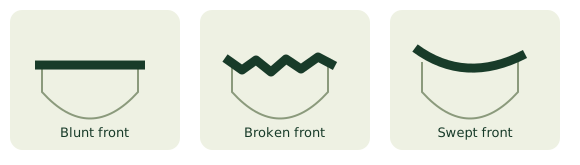
Choose the version that fits your routine
Compare the result you want before deciding on a guard number or product.
| Direction | What changes | What to confirm |
|---|---|---|
| Blunt front | A stronger horizontal fringe outline | Keep the line deliberate while deciding separately how piecey the top should be. |
| Broken front | An irregular, softer edge | Point out how much forehead you want visible between the pieces. |
| Side-swept crop | Forward movement with an angled front | Preserve enough fringe length to cross rather than only fall straight down. |
What makes a textured crop different?
A crop usually directs the top toward the front, although the finished texture can move slightly to either side. The word textured describes visible separation and movement rather than one fixed cutting technique. It does not automatically mean a very short top, a messy finish or a sharply cut fringe. Ask your barber which interpretation matches the photograph you have saved.
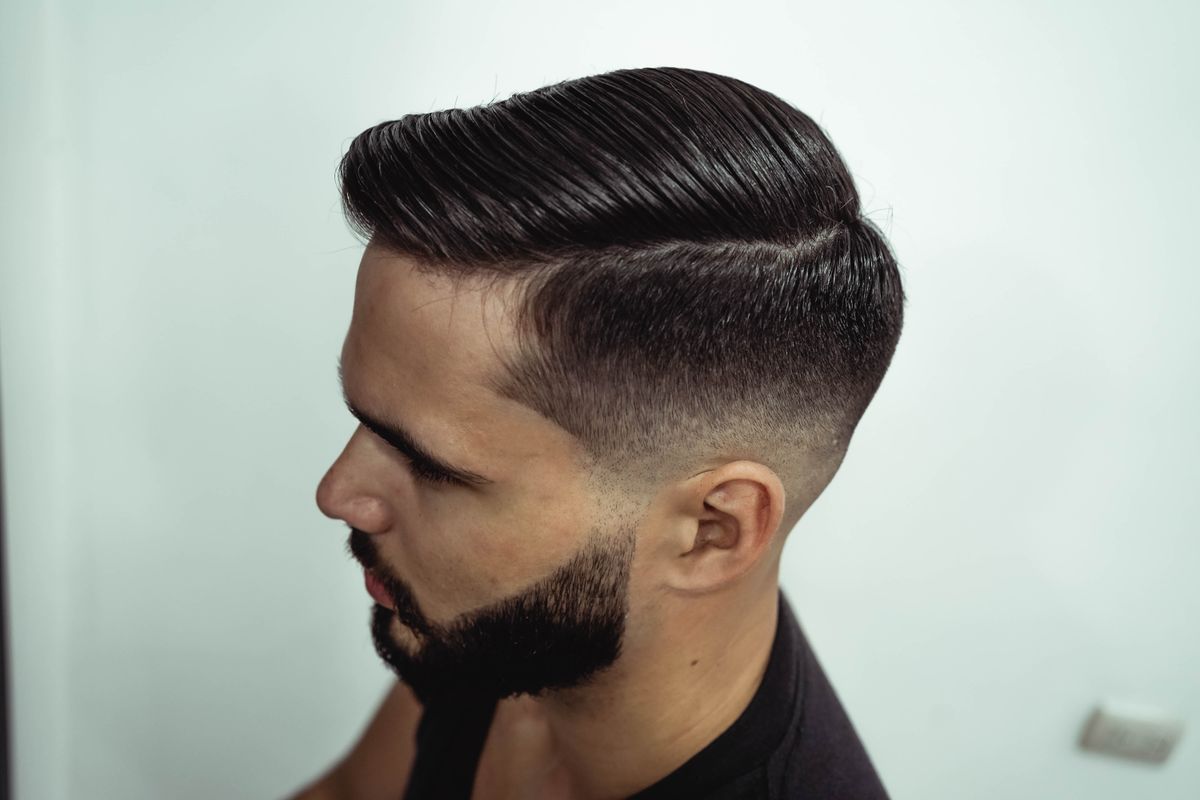
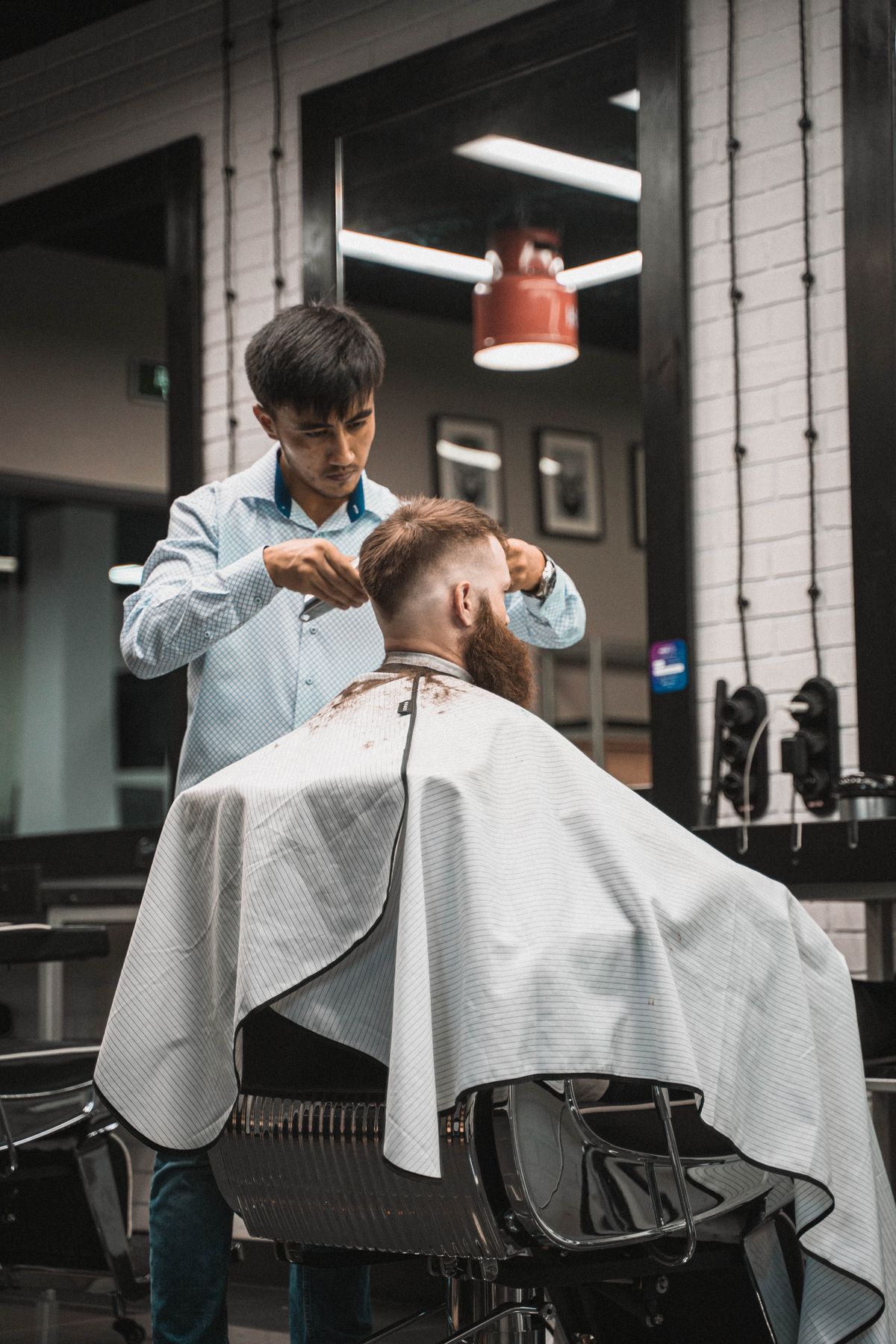
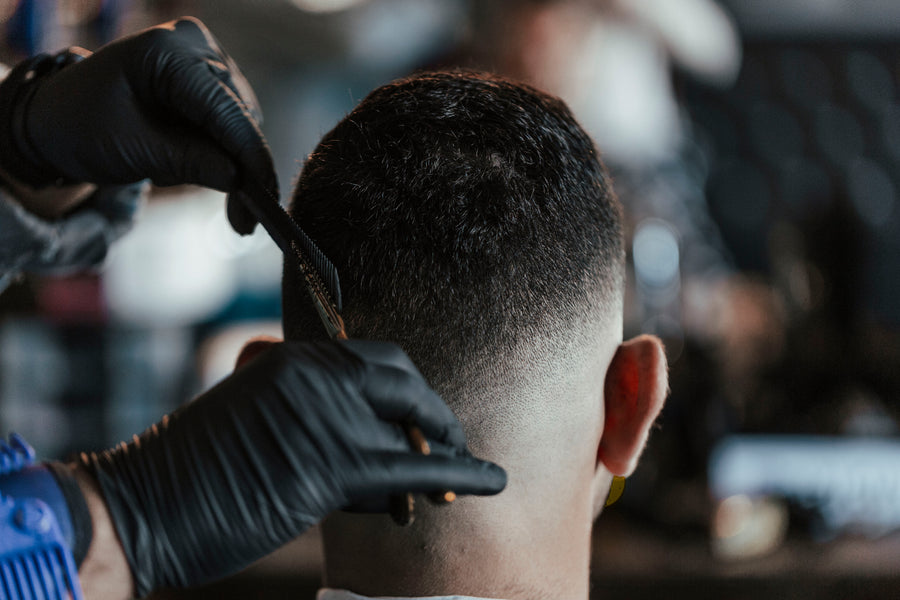
The mid fade describes the position of the side blend. Its shortest finish is another decision: visible hair at the base creates a different amount of contrast from a skin finish. The top can be soft and natural even when the sides are close, or more structured with a longer finish underneath. Decide which part you want to be the strongest feature instead of requesting maximum contrast everywhere.
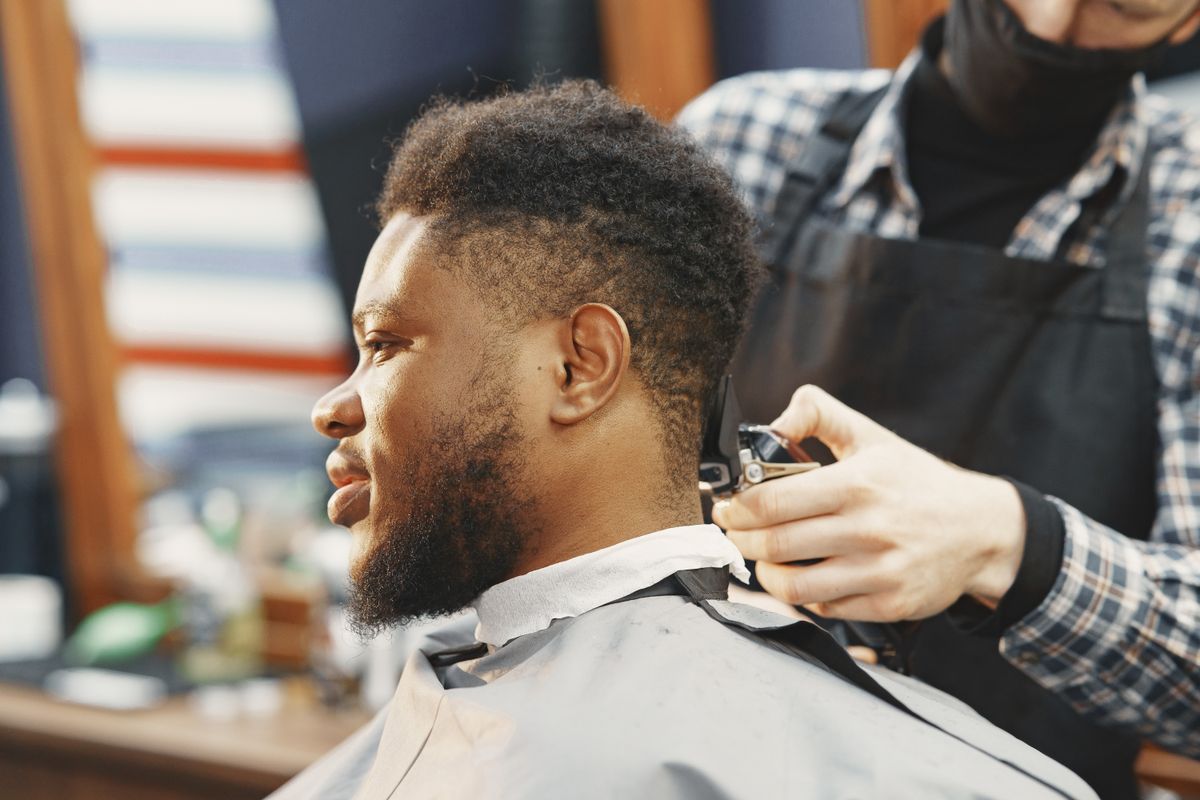
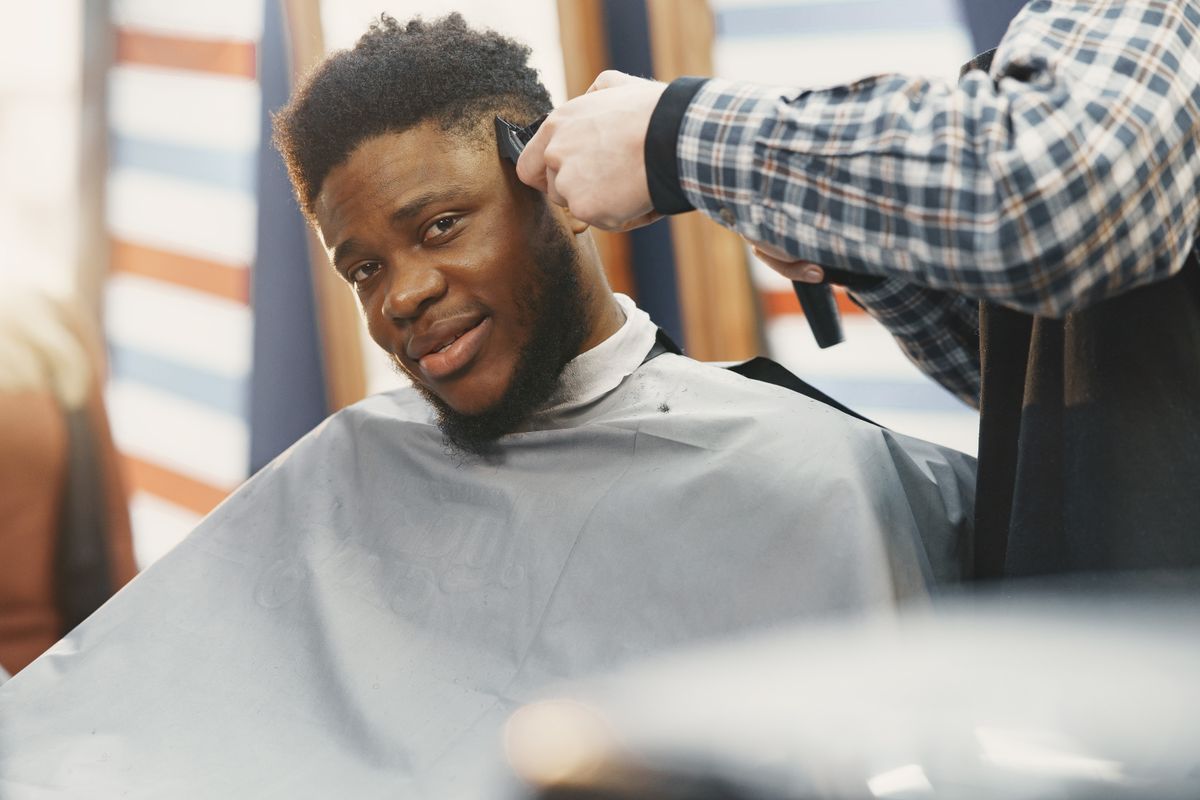
Choose the fringe before the product
The front edge changes the character of a crop. A softer fringe has small variations and separated pieces. A blunter edge creates a more definite line across the forehead. Both may be styled forward, but they do not give the same silhouette. Show the front clearly when choosing a reference, and say whether you want the edge to look organized or more relaxed.
Agree where the fringe should finish when dry. Hair can move, bend or lift after the damp cut is styled, so a wet measurement alone may not capture the result you have in mind. If your front naturally grows upward, tell your barber whether you are willing to dry it forward each morning. A fringe that requires constant correction may be the wrong match for an otherwise simple routine.
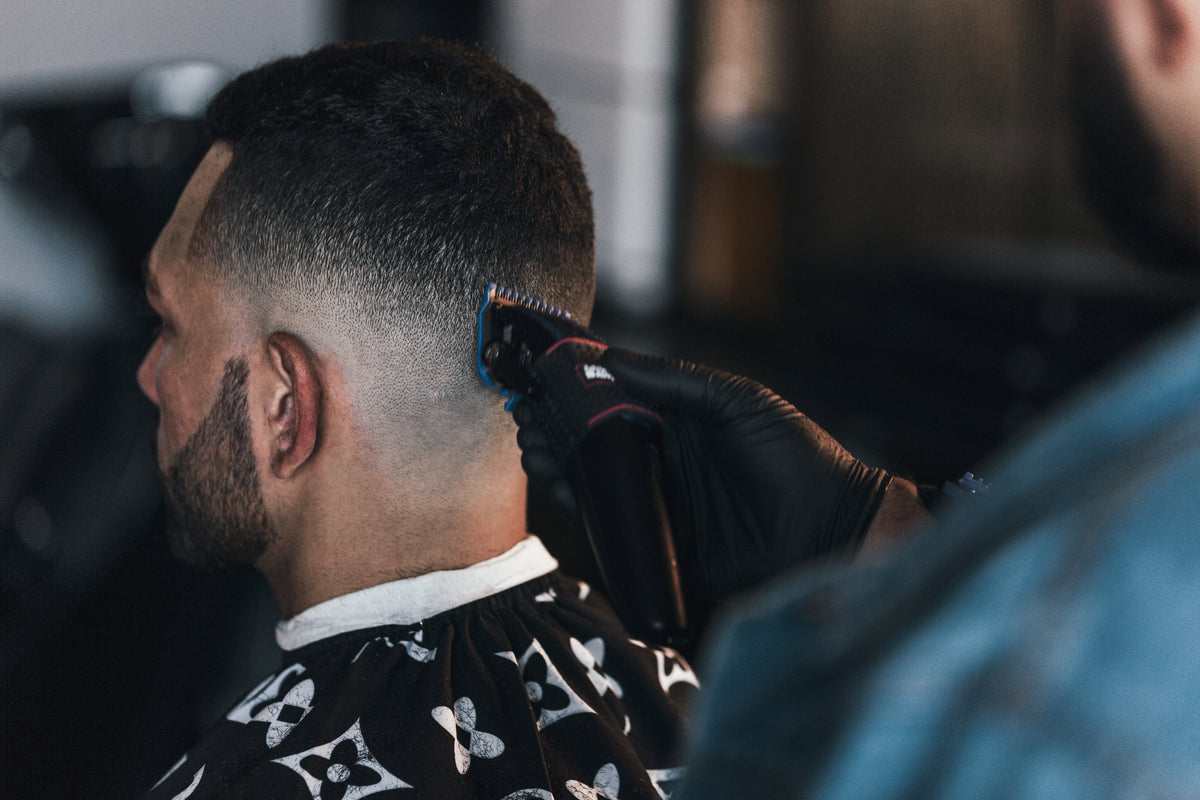
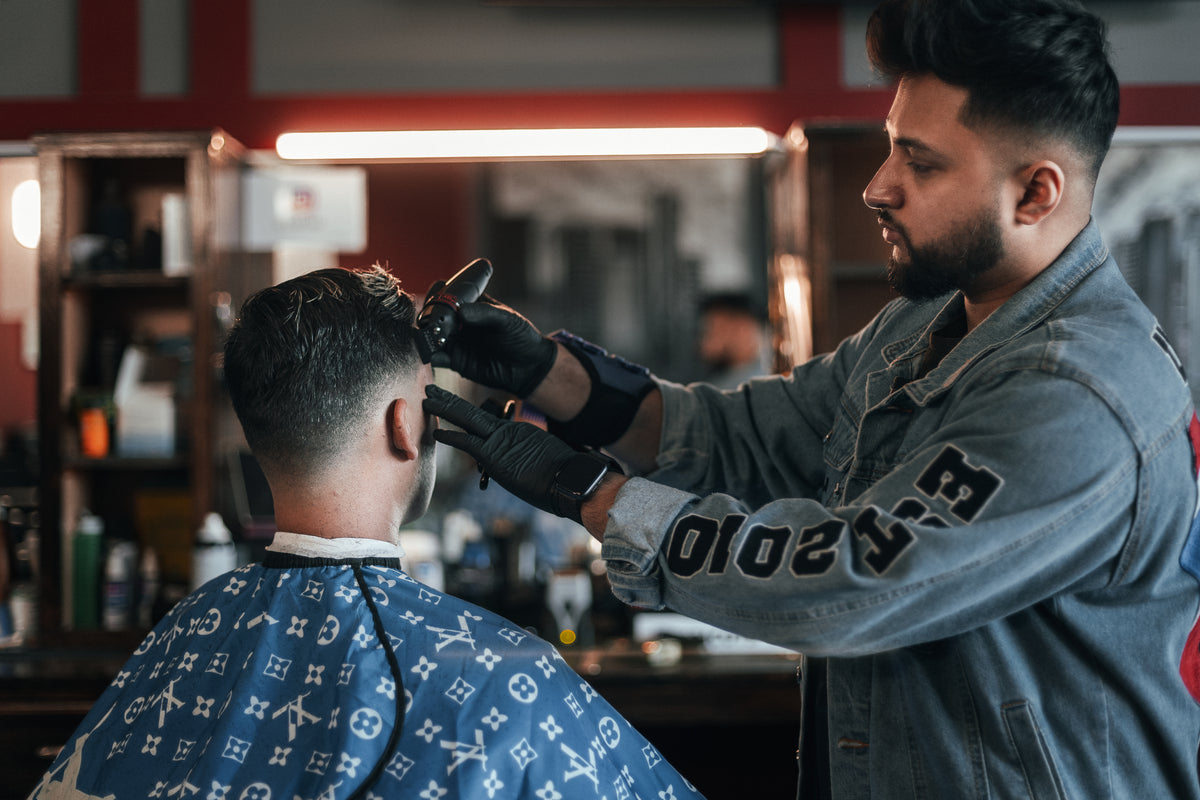
Work with density and growth direction
Straight hair can show the front edge and individual changes in direction clearly. Wavy hair may create movement with less deliberate separation, but the wave needs enough length to remain visible. Density matters independently: a crop on dense hair can carry weight that a lower-density top does not have. Do not assume that adding texture always means removing as much bulk as possible.
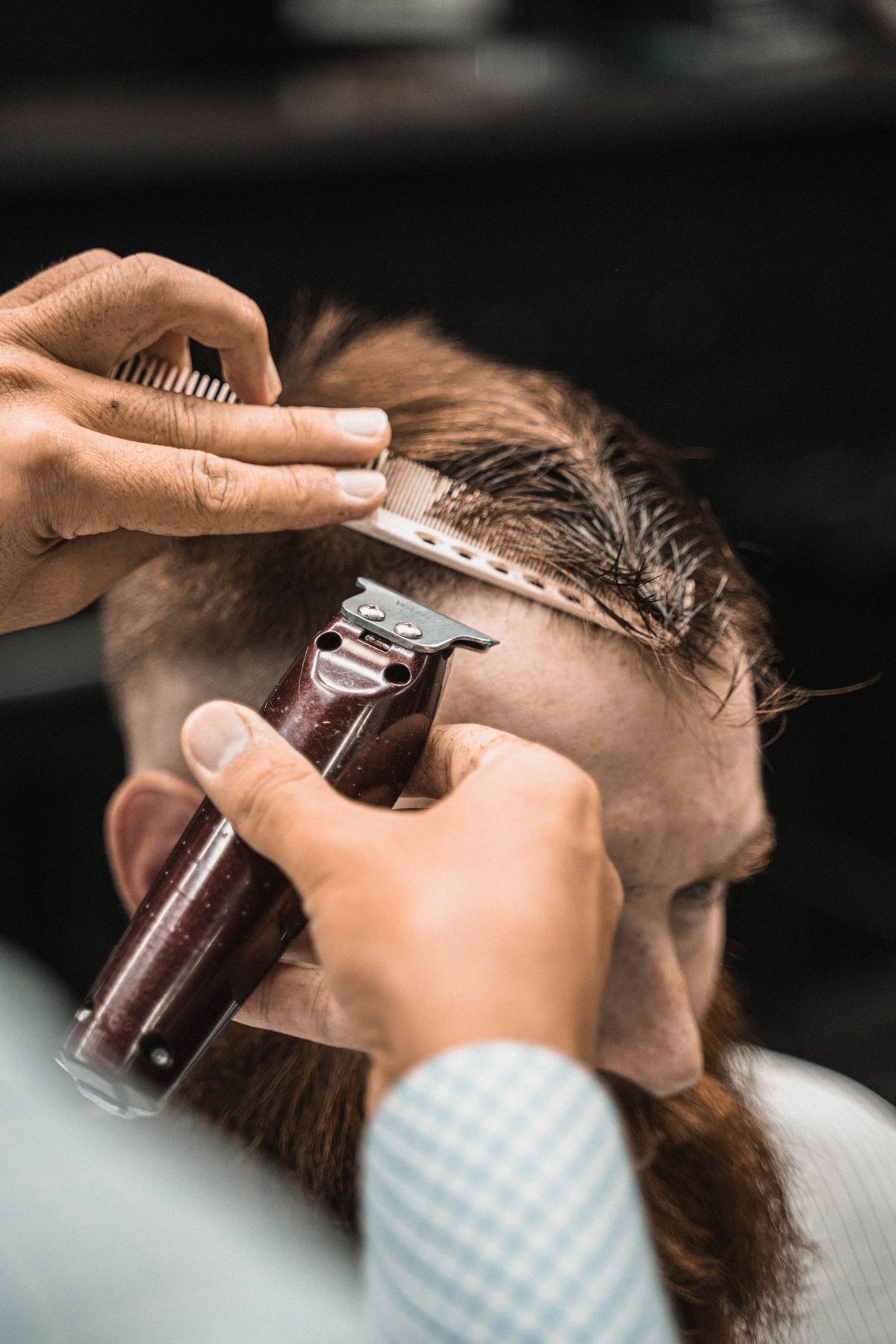
Point out the crown and upper sides before cutting begins. If those areas stick out when shortened, the barber may need to preserve length or adapt the connection. Explain the behavior rather than requesting a particular technique from a video. Useful feedback sounds like, “This corner lifts when it is short,” or “The crown separates after washing.” Those observations help the barber choose an approach for your actual hair.
Balance the top with the side blend
Look at the corner where the top meets the sides. A fuller connection can keep the crop rounded and compact. Taking the upper sides much tighter can make the top stand apart more strongly. Neither is automatically more modern or more flattering. The choice changes the silhouette, especially when the fringe is also sharply defined.
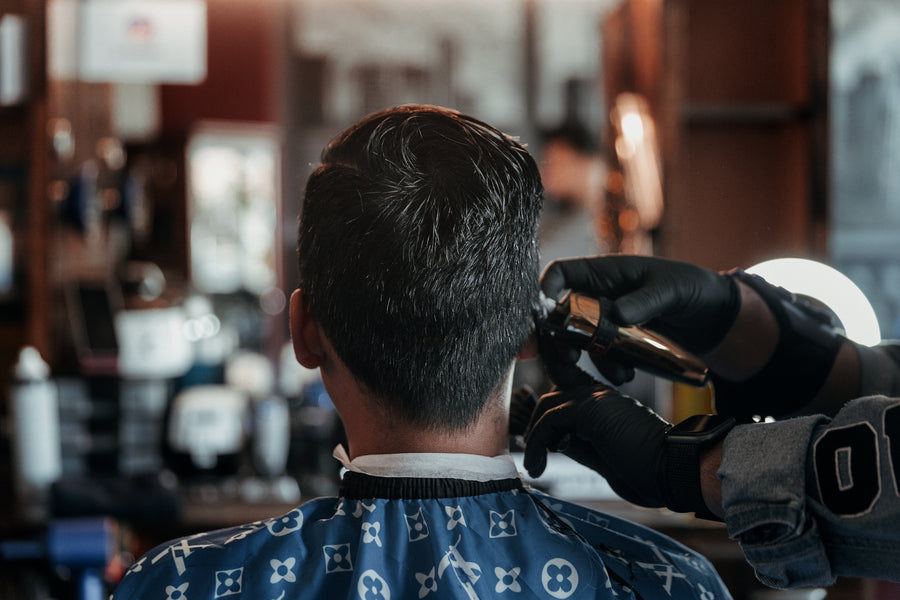
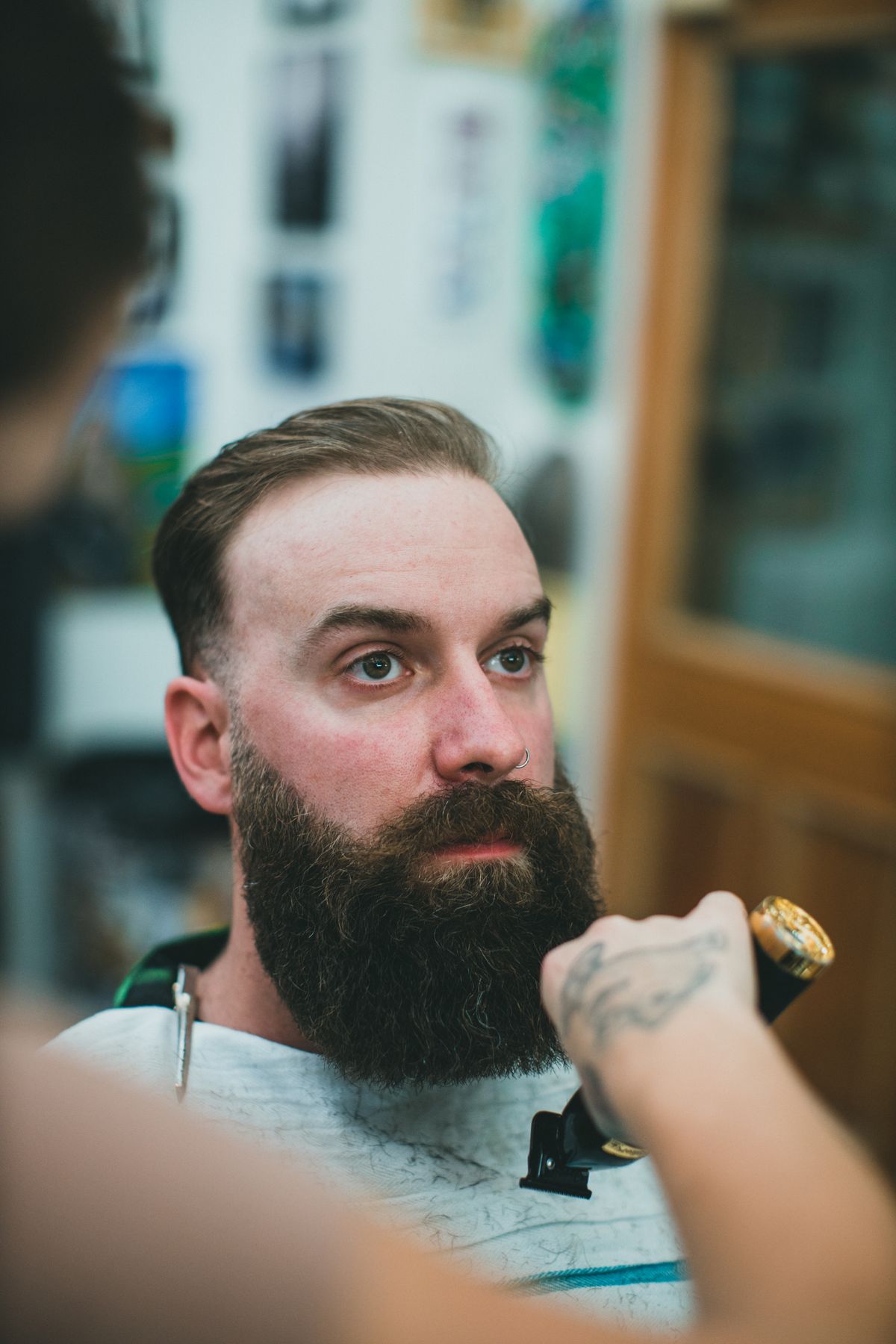
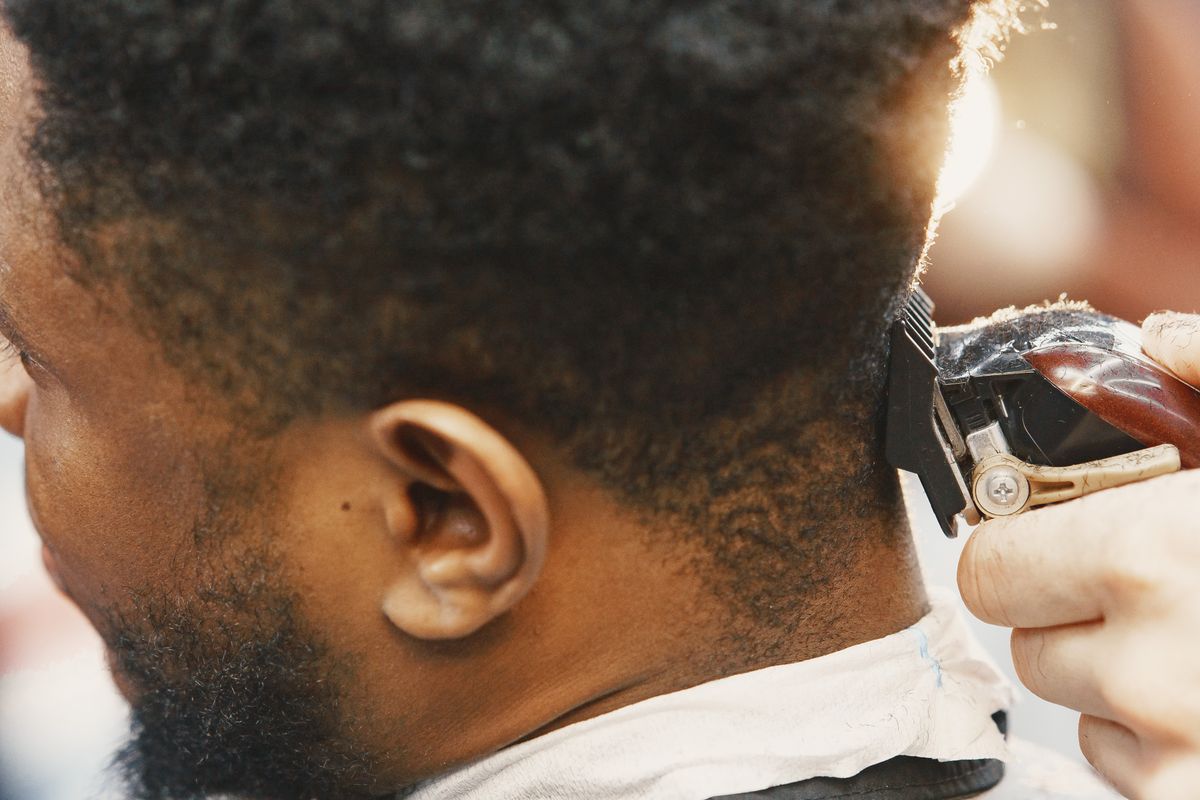
Ask your barber to indicate the fade placement and explain how it will connect to the top. If you like a reference but find its sides too exposed, preserve the top direction and discuss a longer shortest finish. You can change the degree of contrast without abandoning the crop. If you also have a beard, confirm the sideburn connection separately so the haircut request does not become an unspoken instruction to remove beard fullness.
A clear starting request for the chair
Try: “I want a mid fade with a textured crop worn forward. Keep the fringe soft, preserve enough length for it to sit naturally and show me the shortest side setting before you start.” Change soft to defined if you prefer a more deliberate edge. Add whether you want skin at the base or visible coverage, since “mid fade” does not settle that detail.
Then explain your routine. Say whether you air-dry or use a dryer, how much product you are comfortable with and whether you want the top to lie close or have some lift. Ask the barber to confirm the dry fringe length, crown shape and side connection. A good request can be short; it just needs to cover the decisions that would otherwise be left open to interpretation.
Know what to change at the next appointment
A crop can stop working for several different reasons. The fringe may become too heavy, the crown may gain more volume than you like or the upper sides may look wider. Identify the area rather than telling the barber that the entire haircut is wrong. A small adjustment to weight or direction may be more useful than taking every part shorter.
Take a photograph soon after the haircut and another when styling becomes difficult. Use similar angles and lighting where possible. If you want to grow toward a longer top, make that goal clear before a routine refresh removes the progress. Discuss which sections should gain length and which can be tidied. Your maintenance interval should reflect the shape you enjoy wearing, not a fixed promise attached to the style name.
A routine you can test at home
- Arrange the top forward while damp, following the intended fringe direction.
- Let the top settle or dry it into the shape you want before adding finish.
- Spread a small amount of product between your hands and apply through the top, avoiding a heavy first application at the fringe.
- Separate only a few pieces at the front. Stop when the outline is readable rather than continually disturbing it.
The crop looks thin instead of textured
Separate definition from coverage. Large gaps between pieces can expose more scalp than you expected, particularly under overhead light. Before requesting extra texture, show the coverage you want retained. A different styling direction or less separation may be more useful than removing more hair.
A more precise barber request
I want a compact textured crop with a broken fringe, not a straight heavy line. Keep coverage through the top and blend into a mid fade. Show me the fringe length dry before taking more off.
An example request to adapt, not a guaranteed result or a record of a tested client.
Common questions
Is a textured crop the same as a French crop?
The names overlap in everyday use. Some people use French crop for a more defined fringe, but usage varies between shops. Confirm the front edge, top direction and finished shape with a photograph.
Does a textured crop need a skin fade?
No. The forward top and the shortest side finish are separate choices. You can keep visible coverage while asking for a mid-height blend.
Can I wear it without styling product?
Possibly, depending on your growth direction and the finish you expect. Ask to see how the top sits before the final product is applied, and discuss an air-dried version.