
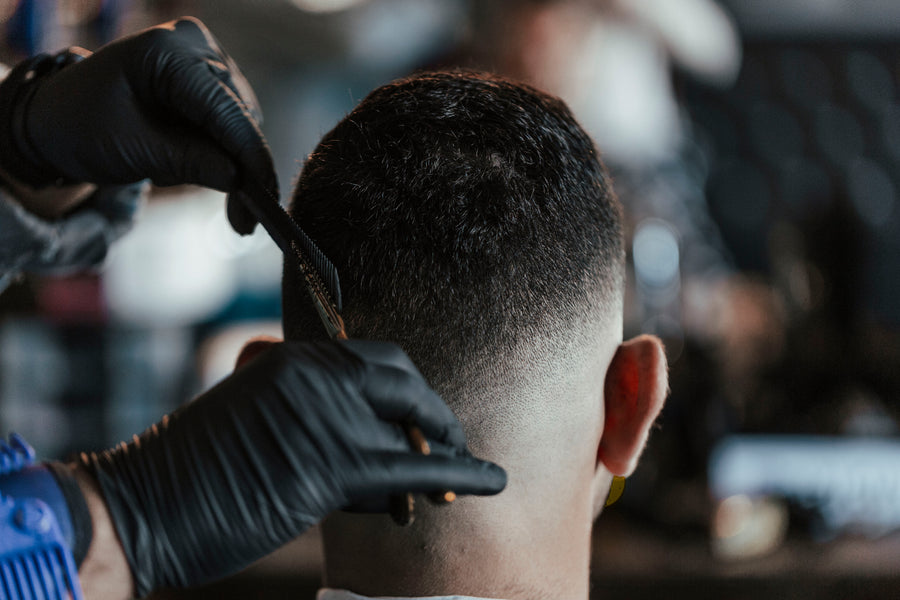
A mid drop fade combines medium side placement with a contour that descends behind the ear. “Drop” describes that path, while “skin” describes closeness. You can request a dropped contour with either a skin finish or visible short hair at the base.
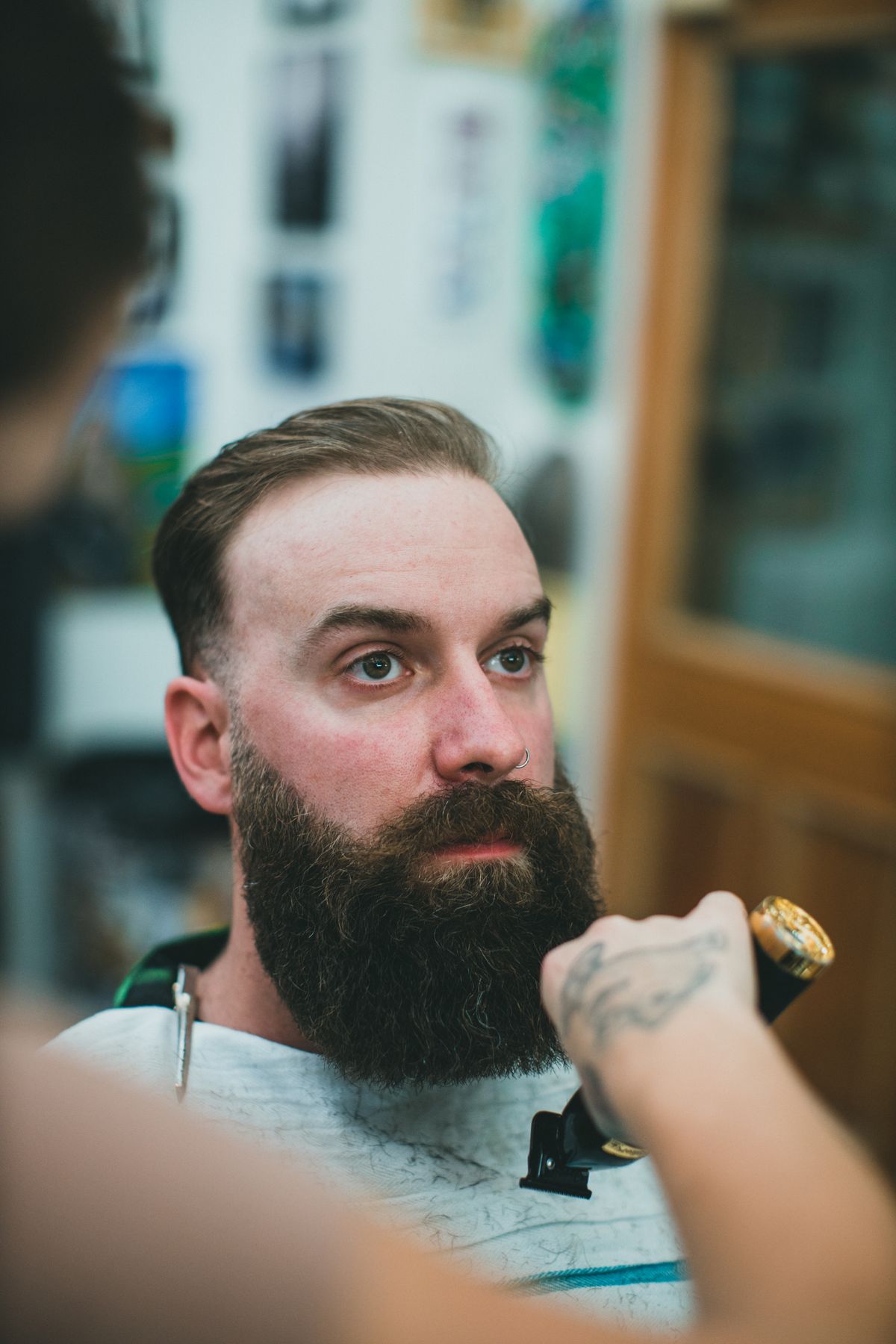
Choose the version that fits your routine
Compare the result you want before deciding on a guard number or product.
| Direction | What changes | What to confirm |
|---|---|---|
| Gentle drop | A modest descent behind the ear | Bring a rear three-quarter reference showing the curve. |
| More pronounced drop | More retained coverage toward the back | Agree how the curve meets the nape and the top shape. |
| Straight contour | A different wrap around the head | Use a comparison photo so “mid” does not hide the contour decision. |
What the drop changes
A fade is a gradual change in hair length. Its contour describes the path that transition takes around the head. With a drop, the path dips behind the ear instead of being understood simply as a level band. That change affects the back profile and the distribution of visible coverage.
The exact contour should be adapted to the person, so do not read a diagram as a cutting template. Ask your barber to explain where the curve will sit on you and what it will preserve at the back. A photograph can show the kind of outline you like, but the same apparent height may look different on another head shape or with a different amount of hair above it.
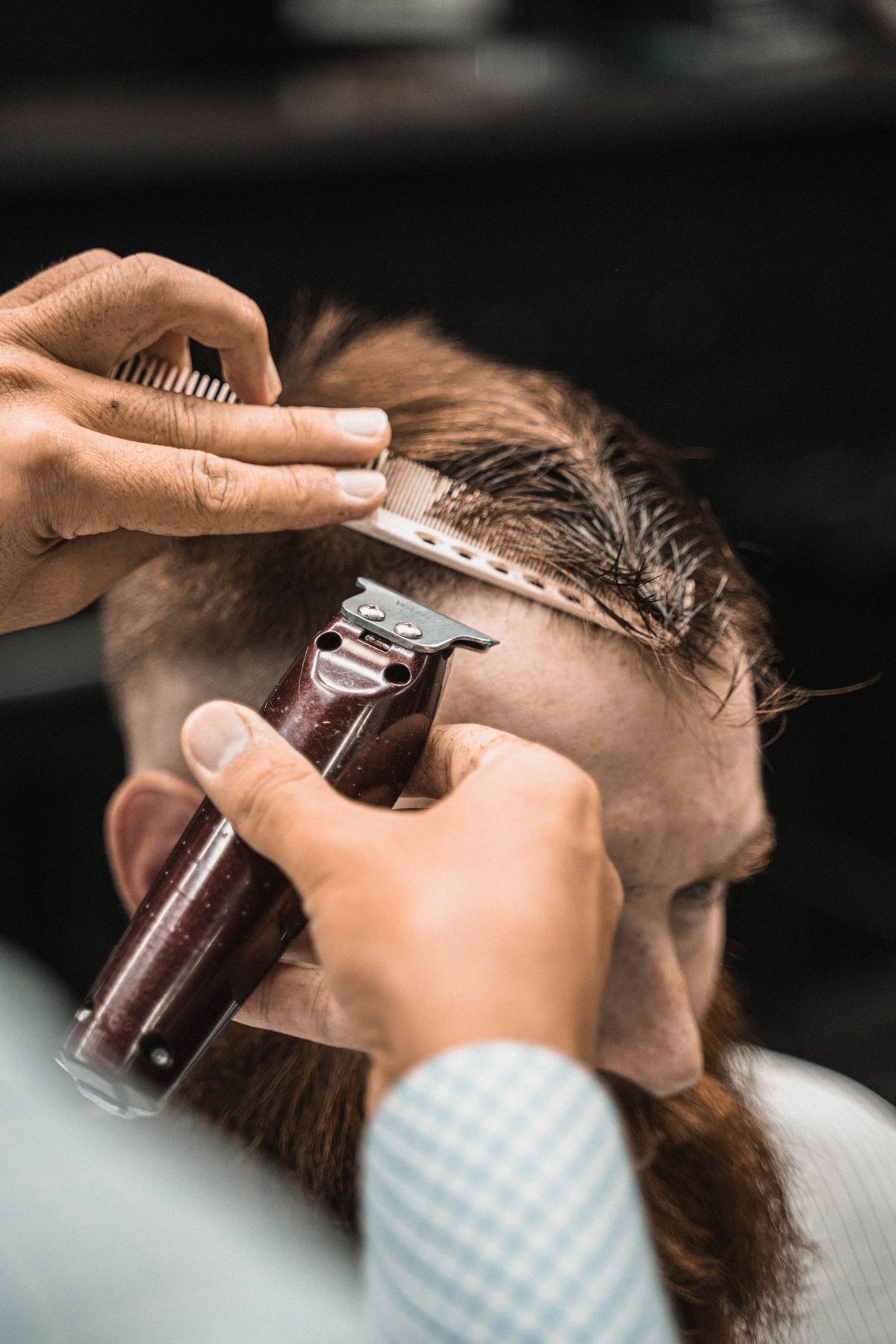
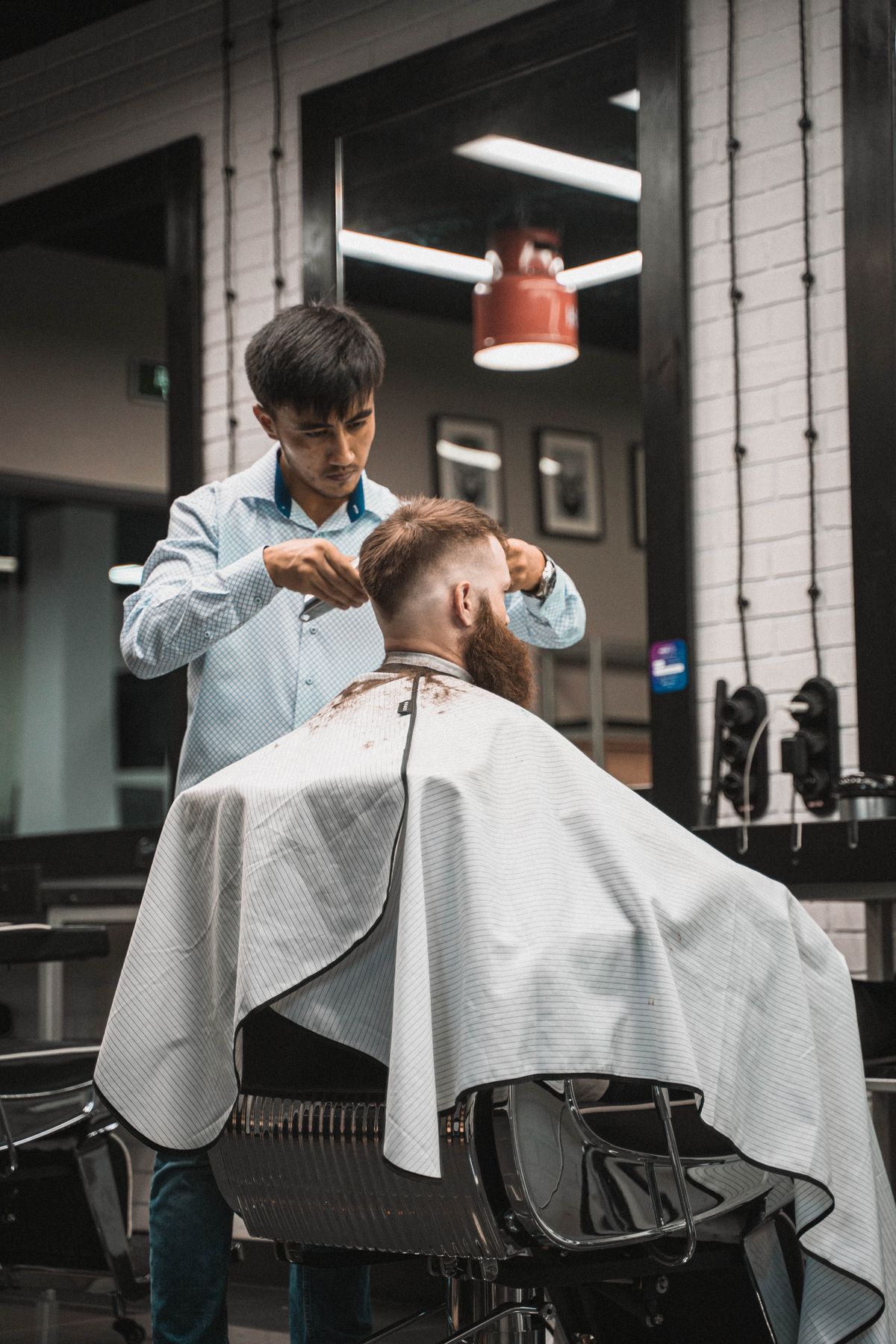
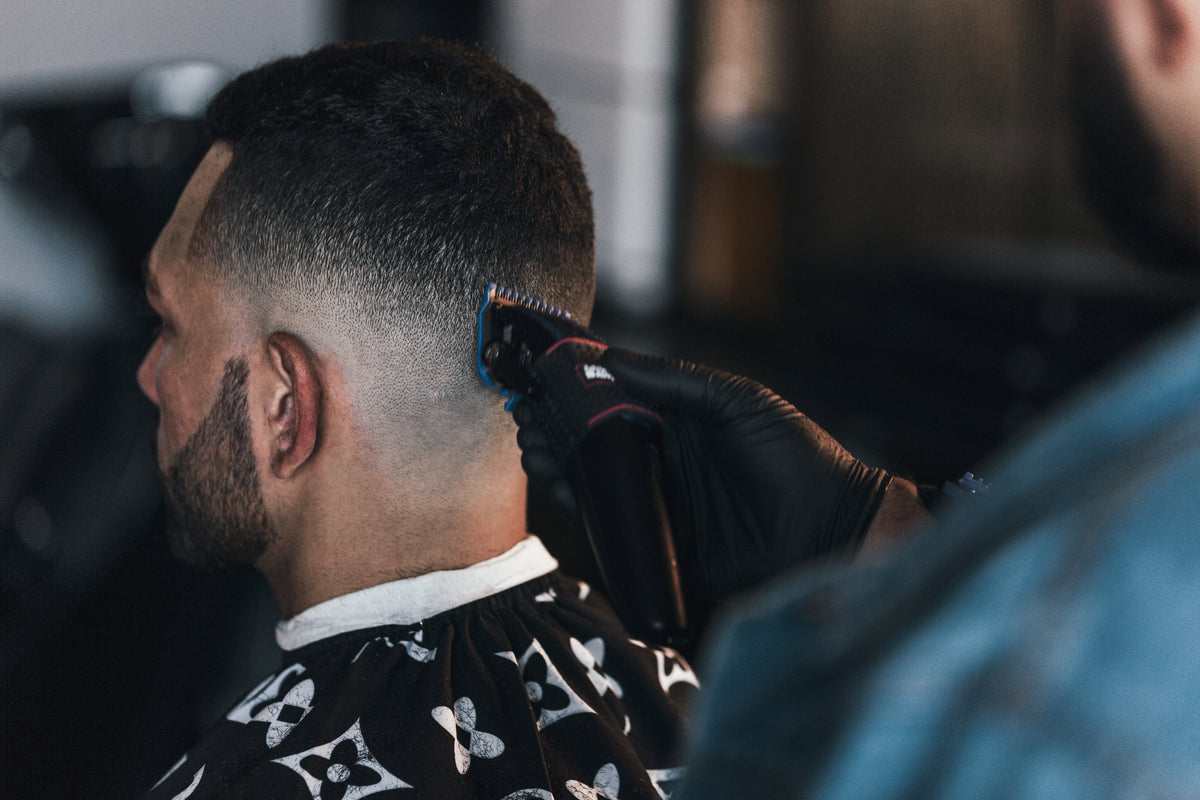
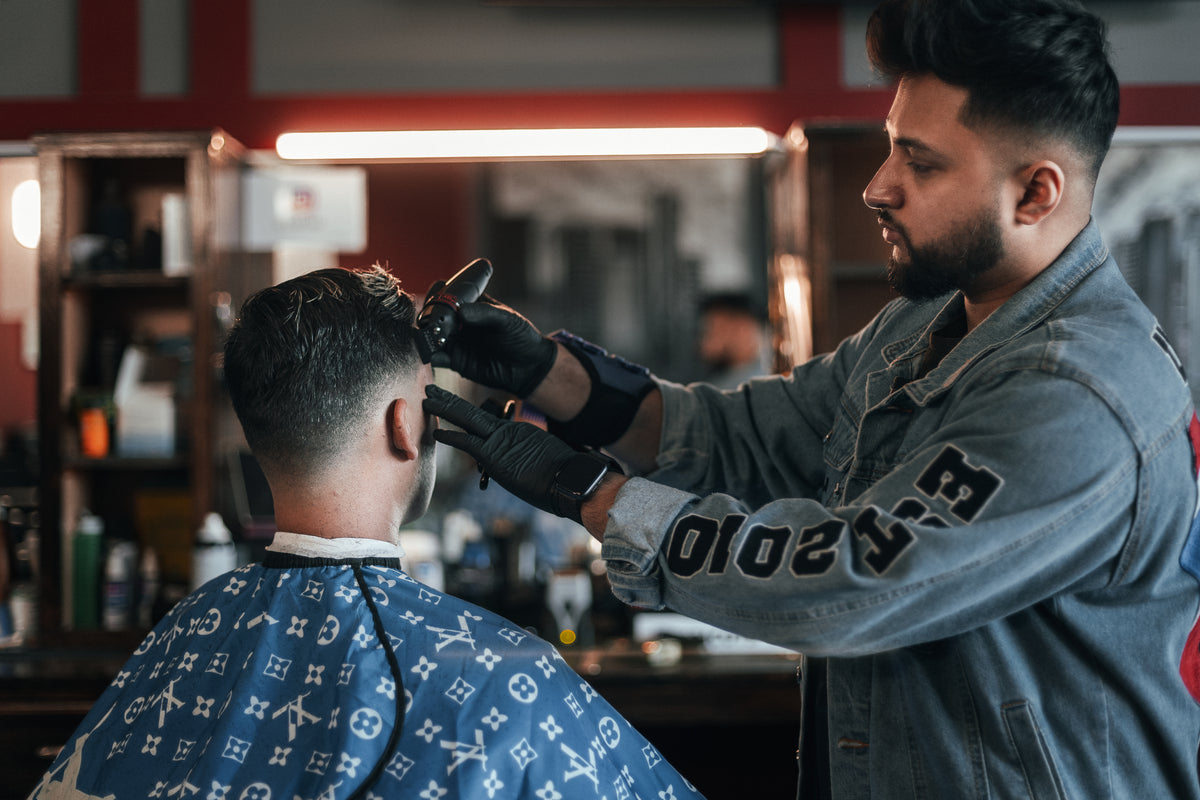
Mid drop fade versus a standard mid fade
The mid label identifies a general side placement, while drop describes the contour behind the ear. This means the two concepts are related, not mutually exclusive alternatives. When someone asks for a standard mid fade, the barber may still adapt its route to the head, so a reference is useful if the curve is central to what you want.
Compare side and back images rather than two front portraits. Notice where the shorter area travels behind the ear and how the fuller hair connects above it. If your preference is really for more back coverage, say that directly. A named variation should help communicate that preference, not become a substitute for explaining the amount of hair you want to keep.
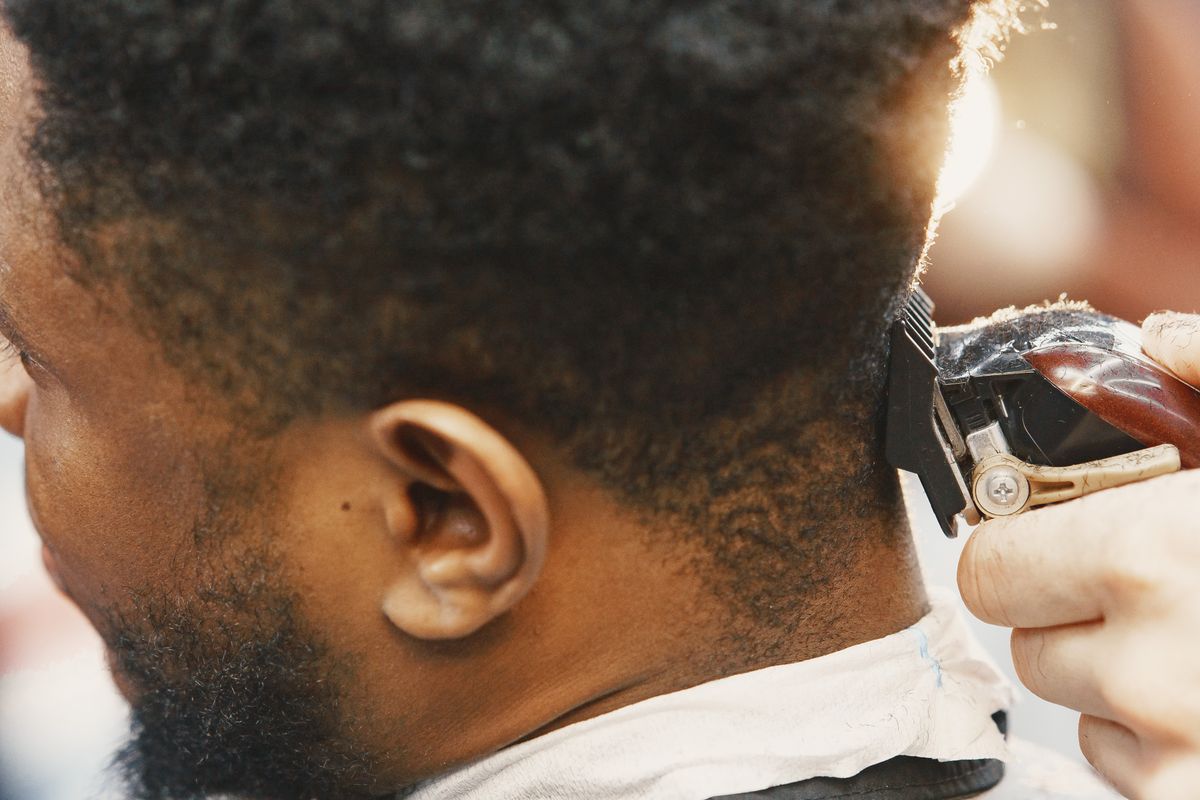
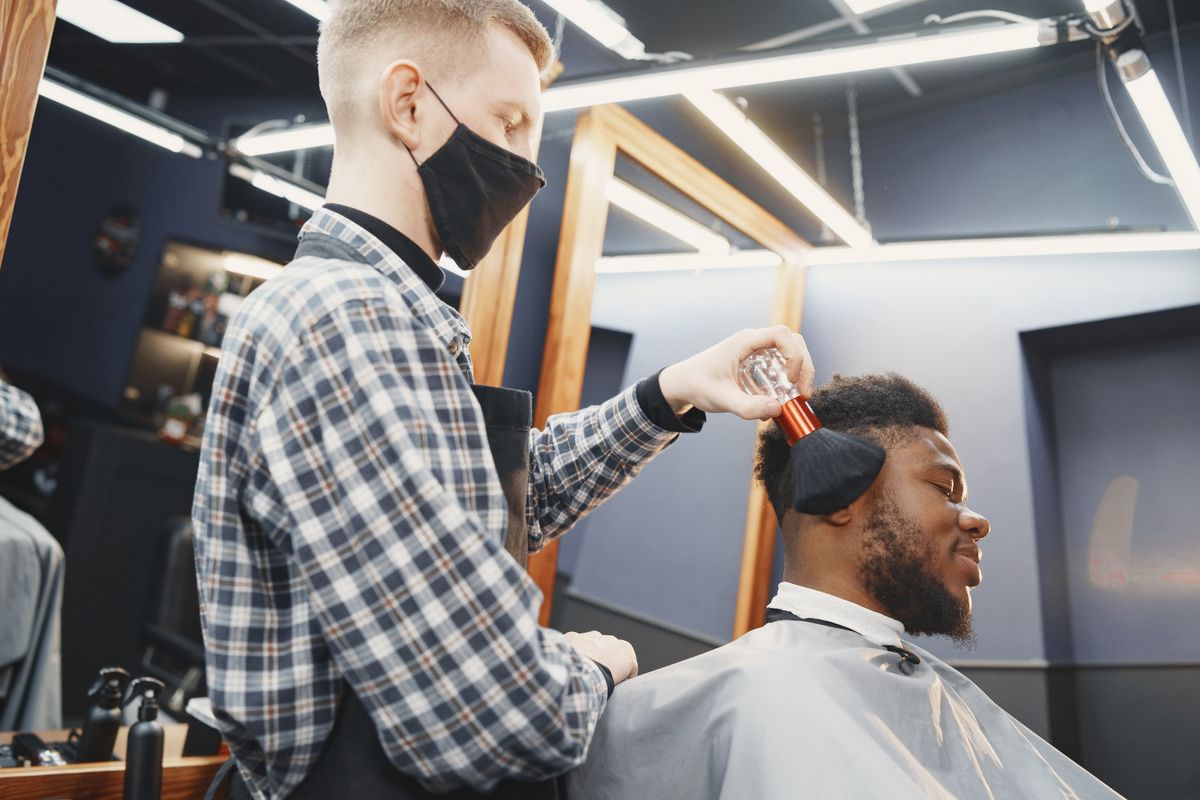
Skin finish and a drop are separate choices
A drop contour does not dictate a skin finish. You can ask for a close lowest section or keep some visible hair, depending on the contrast you want. Confirm the shortest length separately from the route of the blend so the request is complete.
A photo with bare skin may appeal because of its curve, not because you want the same exposure. Point out the contour first, then explain the coverage you prefer. Ask the barber to show the proposed setting and where the close area will stop. This avoids treating every attractive reference as an instruction to reproduce all of its details, including details you had not noticed when you saved it.
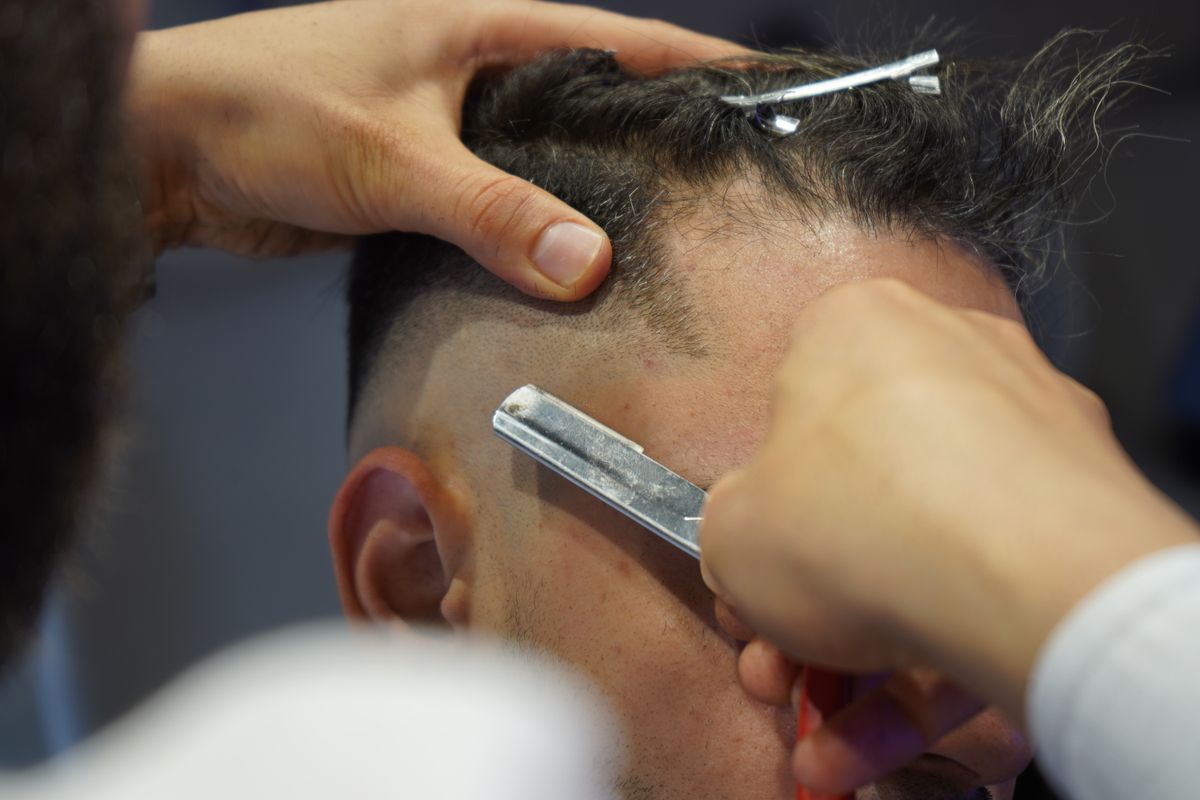
Choose the top that the contour will support
A drop fade can sit below different top styles, including a crop, curls, a side-directed shape or a longer top. The useful question is how the top connects to the fuller area around the upper sides and back. Too little discussion there can leave you with a silhouette that differs from the reference even if the fade itself follows the requested curve.
Explain whether you want the top compact, naturally rounded, lifted or swept in a particular direction. Ask what length is needed to support that shape with your routine. If the crown separates or grows differently, show it before cutting begins. The curve at the back and the behavior of the crown should be considered together rather than as isolated details.
A clear request in the barber chair
A practical starting brief is: “I want a mid fade at the sides with a drop behind the ear. Keep the back coverage we agree on, and please show me the contour before cutting.” Then add your shortest finish and the top direction. Those details turn a broad name into a request the barber can assess.
Tell the barber if you want to preserve length for a future style or keep the neckline softer. If there is a beard, confirm the sideburn connection separately. Ask how the finished top will be styled and what it looks like without a highly controlled finish. The goal is a haircut you can recognize and manage between visits, not just an outline that looks precise for a single photograph.
Check the back before leaving
Use a mirror to inspect the back and both side profiles. You are looking at the overall contour, the coverage you intended to keep and the connection to the top. If the shape differs from what you discussed, point to the area and ask the barber to explain it while you are still in the chair.
Remember that additional cutting cannot restore coverage already removed. If the concern is exposure, describe it clearly before agreeing to another adjustment. It may be better to record what you want changed next time than to keep moving the blend higher. Take a few photos of the finished shape if you like it, since the back can be difficult to describe accurately from memory at the following appointment.
Maintain the contour and plan changes
As the haircut grows, the curve may become less obvious and bulk may return above it. Notice whether you want a refresh because of the outline, the blend or the behavior of the top. Those are different reasons, and they do not always require the same service.
If you are moving toward a fuller back or growing out the fade, explain the new goal before a routine refresh. Ask which parts can be tidied while preserving the length needed for that transition. If you want to keep the drop but soften the contrast, discuss a longer shortest finish instead of assuming the contour itself must disappear. Your own growth photos can make these choices more concrete than a fixed maintenance schedule.
A routine you can test at home
- Style the top normally before checking the silhouette.
- Photograph the back and both rear three-quarter angles in even light.
- Note whether the issue is the contour, the shortest finish or bulk above the blend.
- Describe that single change at the next appointment instead of replacing the entire haircut request.
The front looks right but the back feels too exposed
The side reference may not have shown the rear coverage you wanted. Check the back with a second mirror before leaving. For the next visit, bring a rear reference and indicate the area to retain; asking for more drop without identifying the coverage may still be ambiguous.
A more precise barber request
I want a mid fade at the sides that drops behind the ear. Keep this amount of coverage at the back and show how the curve will meet the nape. The shortest finish should be agreed separately.
An example request to adapt, not a guaranteed result or a record of a tested client.
Common questions
Is a drop fade always a skin fade?
No. Drop describes the route of the transition behind the ear. Skin describes the shortest finish. Confirm both choices with the barber.
Can I have a mid drop fade with curls?
You can discuss that combination, but the dry top shape, crown and amount of back coverage should be assessed together. A reference with similar texture is useful.
Is a drop fade the same as a burst fade?
The terms describe different contour ideas. A drop dips behind the ear; a burst concentrates the blend around the ear. Since usage can vary, bring side and back references and identify the coverage you want.