
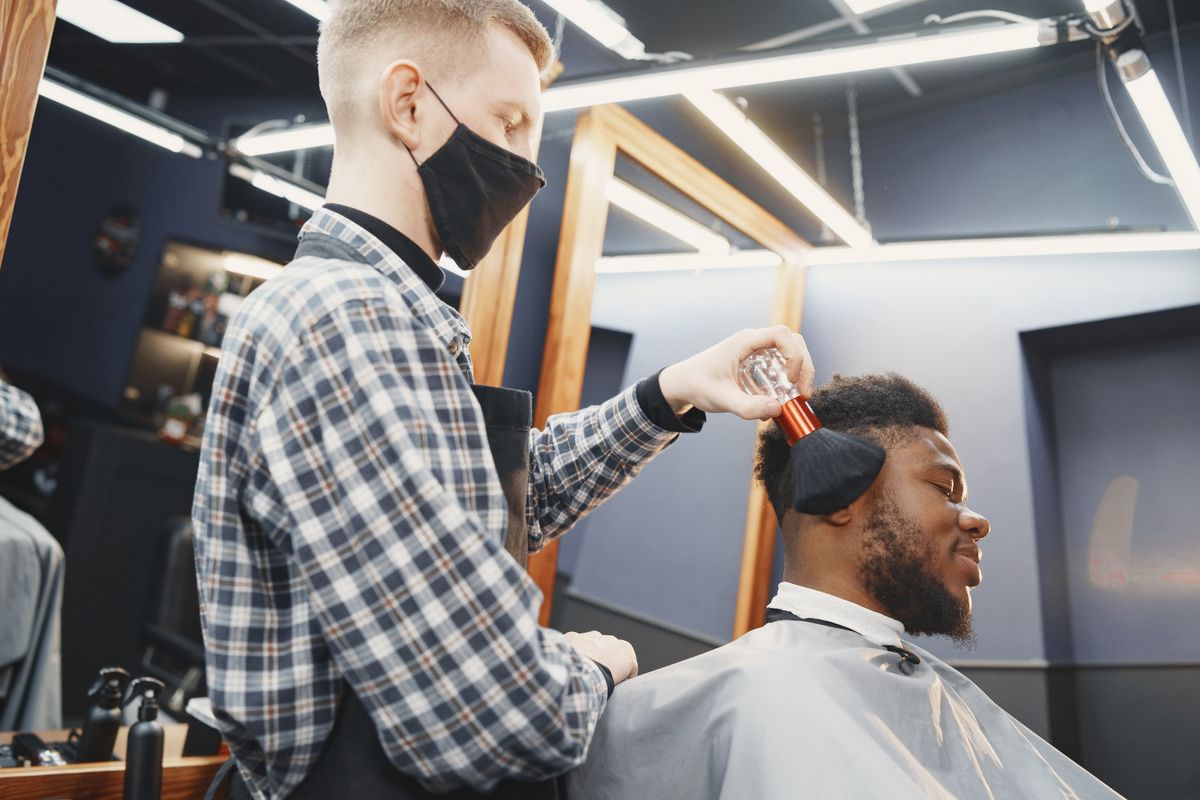
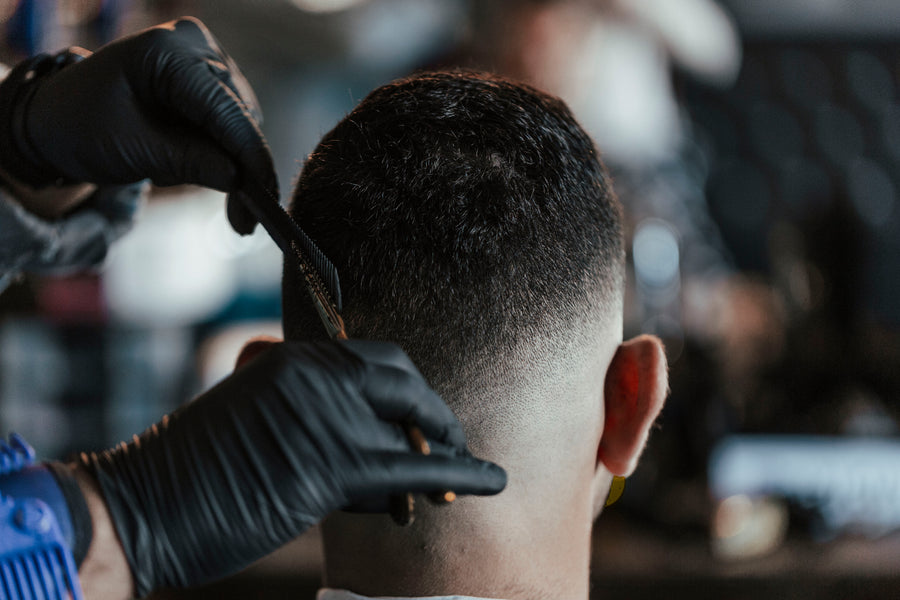
A mid fade on coily hair is a contrast between the shortened sides and the chosen dry top shape. Specify the silhouette, the edge treatment and what length to retain. Coil pattern alone does not tell a barber how dense the hair is or how high the blend should be.
Choose the version that fits your routine
Compare the result you want before deciding on a guard number or product.
| Direction | What changes | What to confirm |
|---|---|---|
| Compact natural top | A close outline with visible natural texture | Agree on the dry height rather than only a stretched measurement. |
| Fuller rounded top | More volume above the blend | Mark the widest point you want to retain at the upper sides. |
| Defined top with soft edges | Texture remains the focus without a strong geometric outline | Say whether the front edge should follow its existing growth instead of being squared. |
Start with the dry silhouette
Coily hair can look very different stretched, compressed or fully settled into its natural shape. Show the barber the outline you want to wear on ordinary days. Point out the front, the sides of the top and the crown separately. A compact shape, a rounded outline and extra height are different requests even when each uses a mid fade underneath.
If your hair changes after sleeping or wearing a cap, describe that behavior. A freshly shaped finish is only one point in the routine. The goal is to preserve enough useful length for the texture you want while giving the whole cut a clear form. Ask how the intended shape will look after your own wash and styling process, rather than agreeing only on a stretched measurement.
Do not confuse texture with density
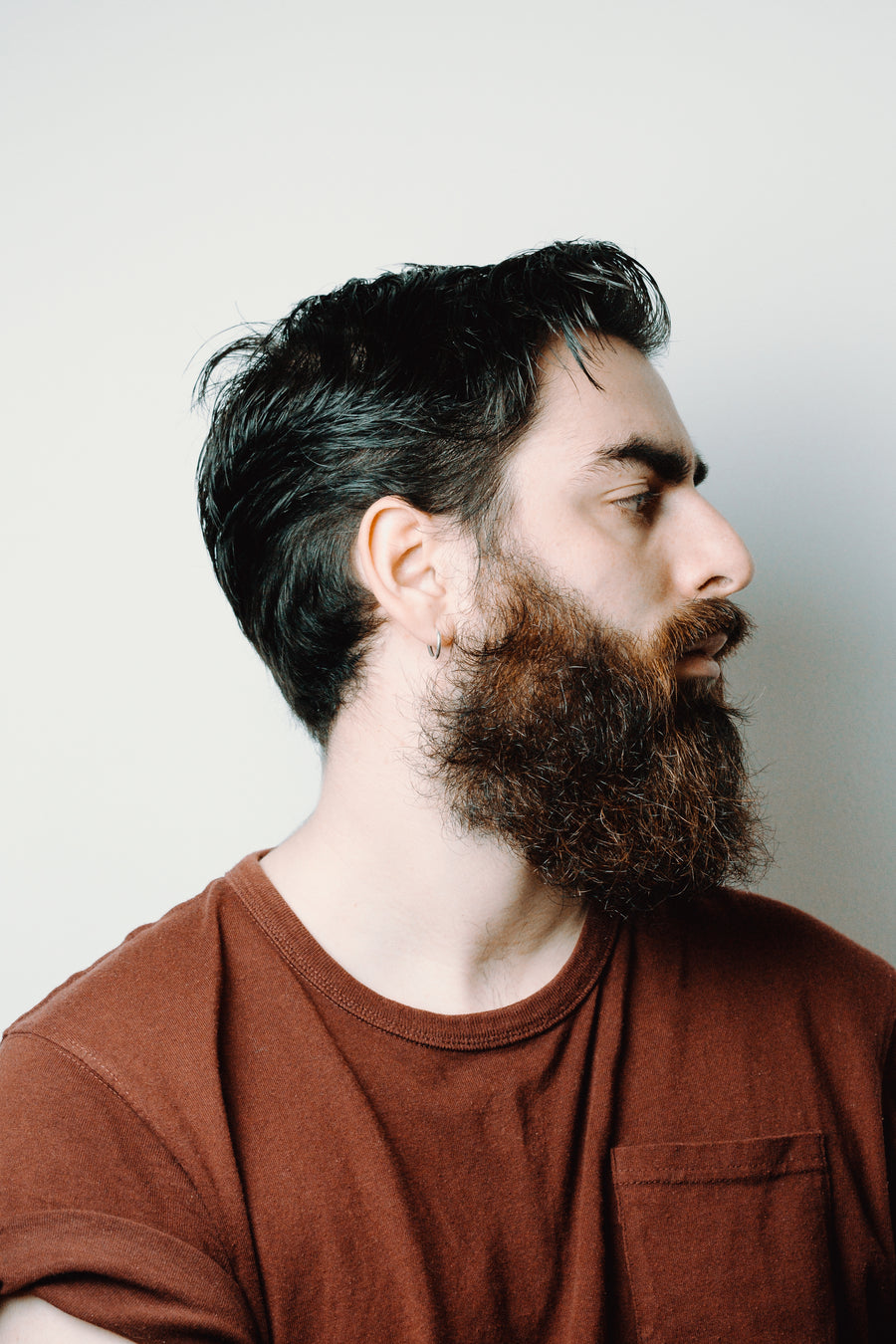
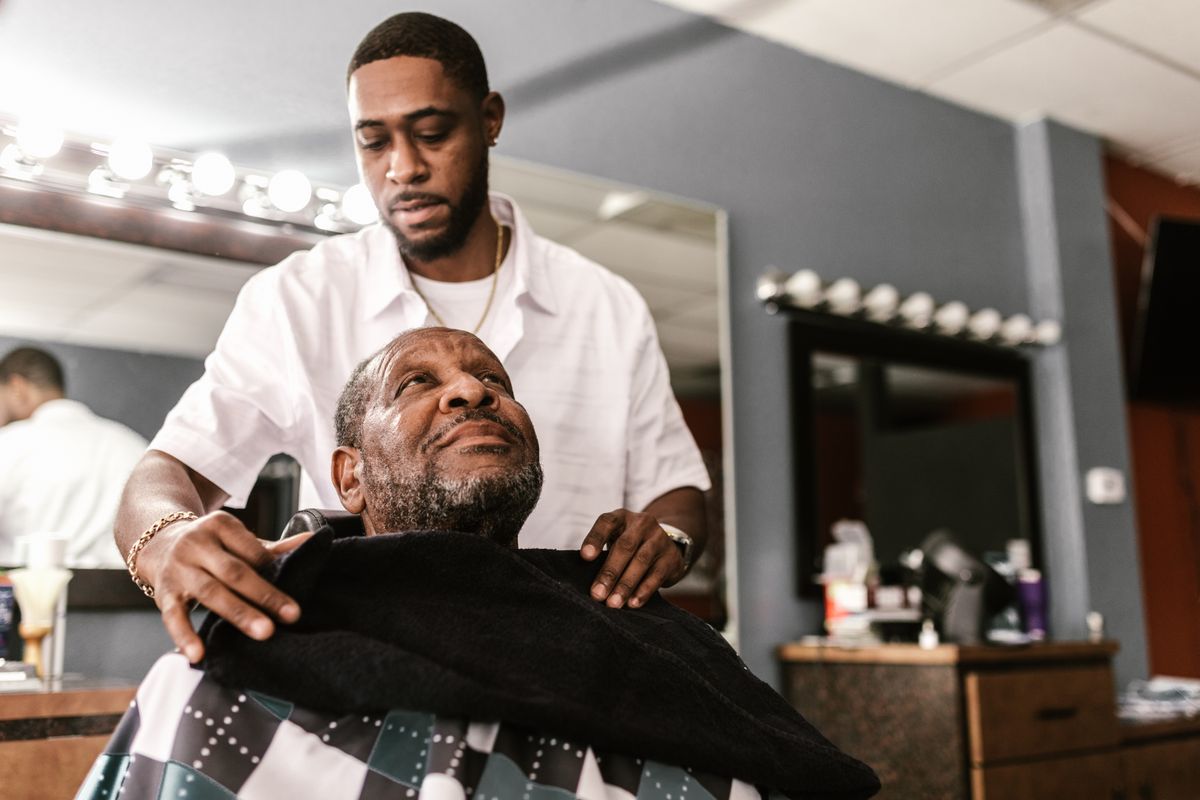
Coils do not automatically mean the hair has the same density everywhere. The front, crown and sides may offer different coverage, and light can make those differences more apparent. Choose a reference that resembles your starting point where possible. If the reference is much denser, ask which features can transfer and which need adapting.
Decide how much scalp visibility you are comfortable with at the sides and through the top. A closer finish increases exposure in the short area; it does not create extra density elsewhere. You can preserve more visible hair at the shortest point while still asking for a blended transition. Describe the contrast you like and let the barber assess the shape on your own head.
A compact top still needs a deliberate shape
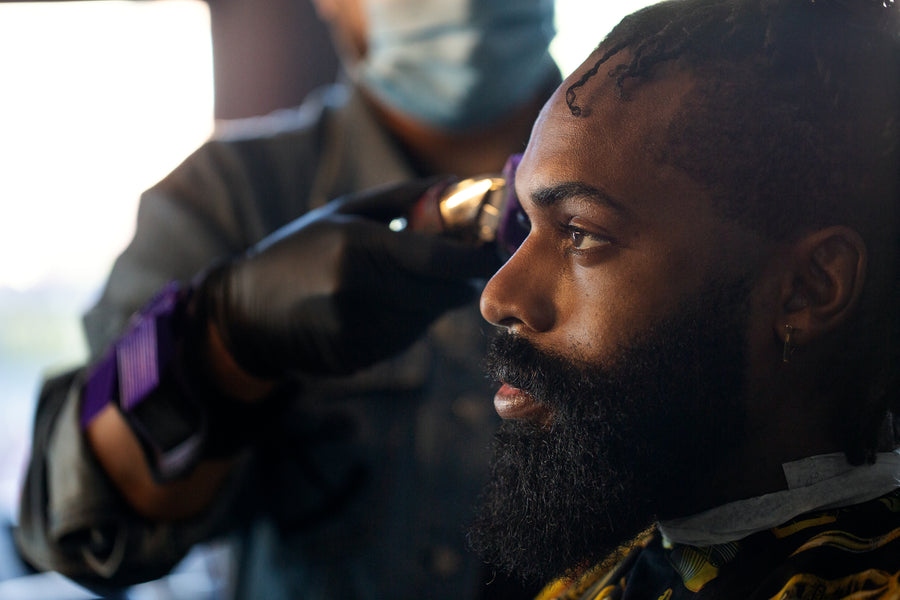
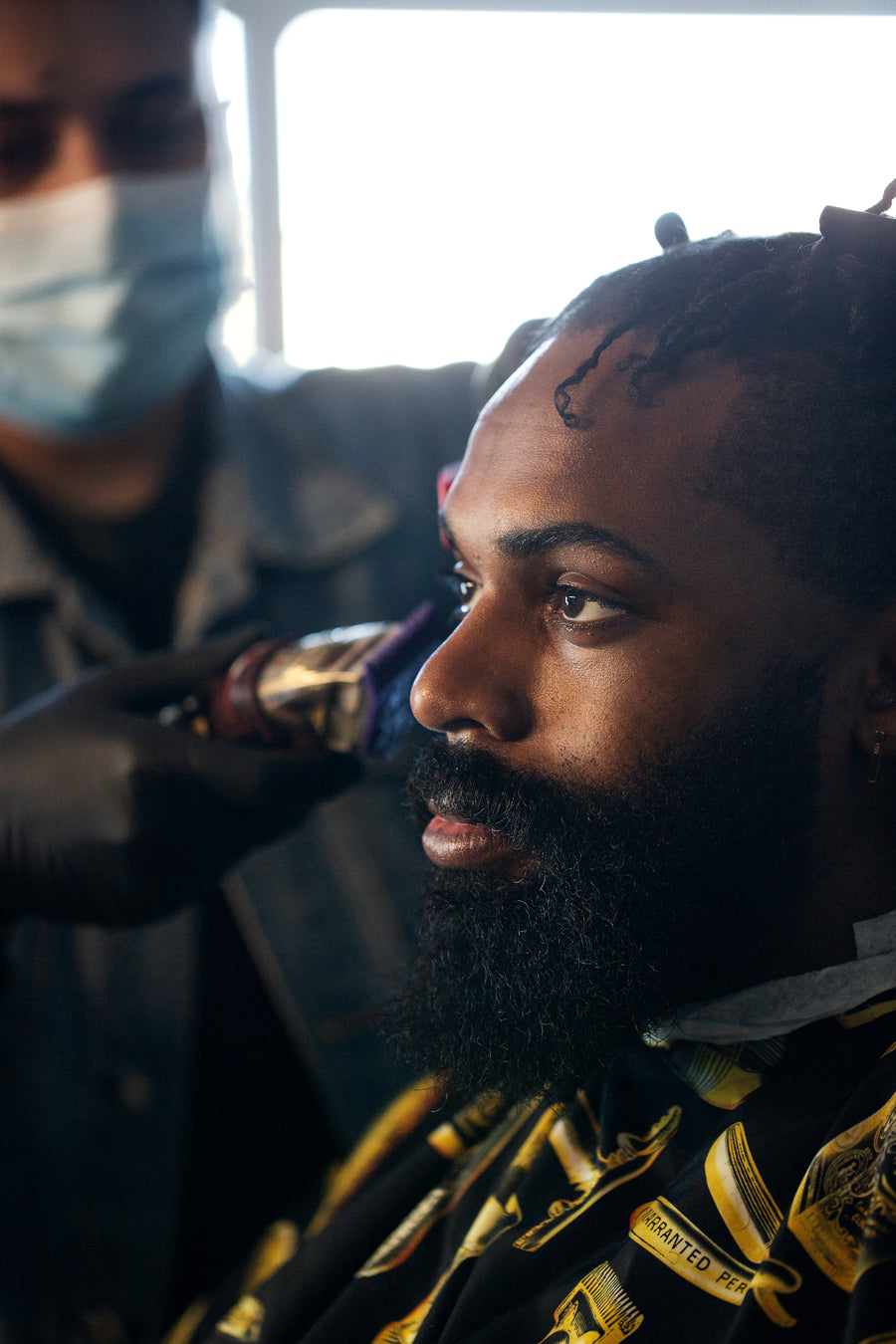
A shorter natural top can keep the routine relatively simple while showing the coil pattern. Discuss whether you want a level impression, a softer rounded outline or a shape that follows the natural height through the crown. The top should be considered as a whole, rather than shortened automatically to match the closest part of the sides.
If you use a particular method to define or arrange your hair, explain it before the cut. Ask whether the proposed length leaves enough hair for that routine. Do not assume a photo tells you how the texture was prepared. Your barber can help establish what the haircut provides and what comes from the finishing process, so you leave with expectations you can repeat at home.
Keep fullness without losing the connection
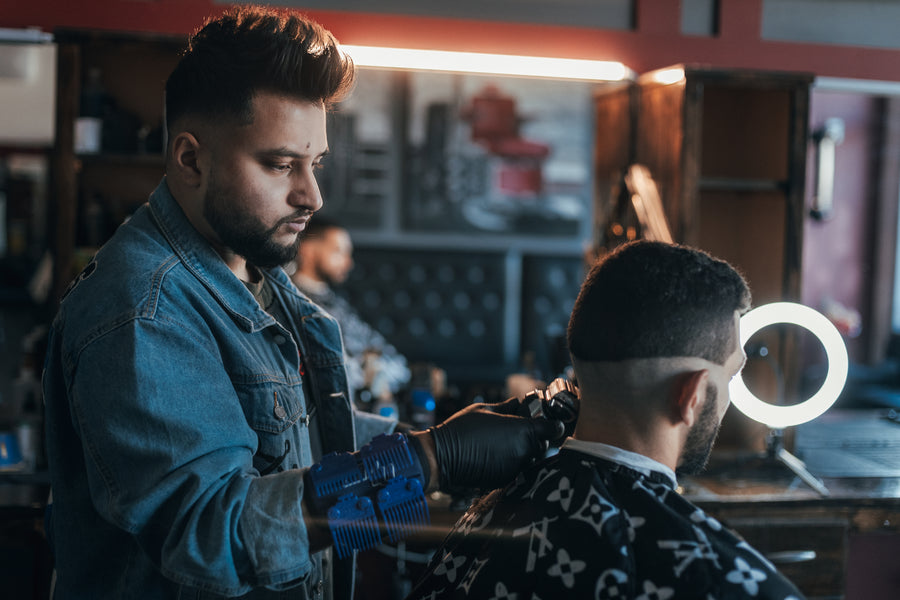
A fuller top can make the contrast with the sides more noticeable. Look carefully at where the fade connects to the main volume. Keeping weight around the upper sides creates a different silhouette from taking that area closer. Point to the outline you want rather than asking only to leave the top long.
The amount of fullness that looks balanced depends on your preferences, head shape and hair behavior. Avoid treating a face-shape chart as a fixed instruction. Tell the barber whether you want more height, more width or a softer overall outline, then ask how that goal affects the connection. If you are growing the top, explain which length you want to protect while the lower areas are refreshed.
Agree on the lineup and natural edges
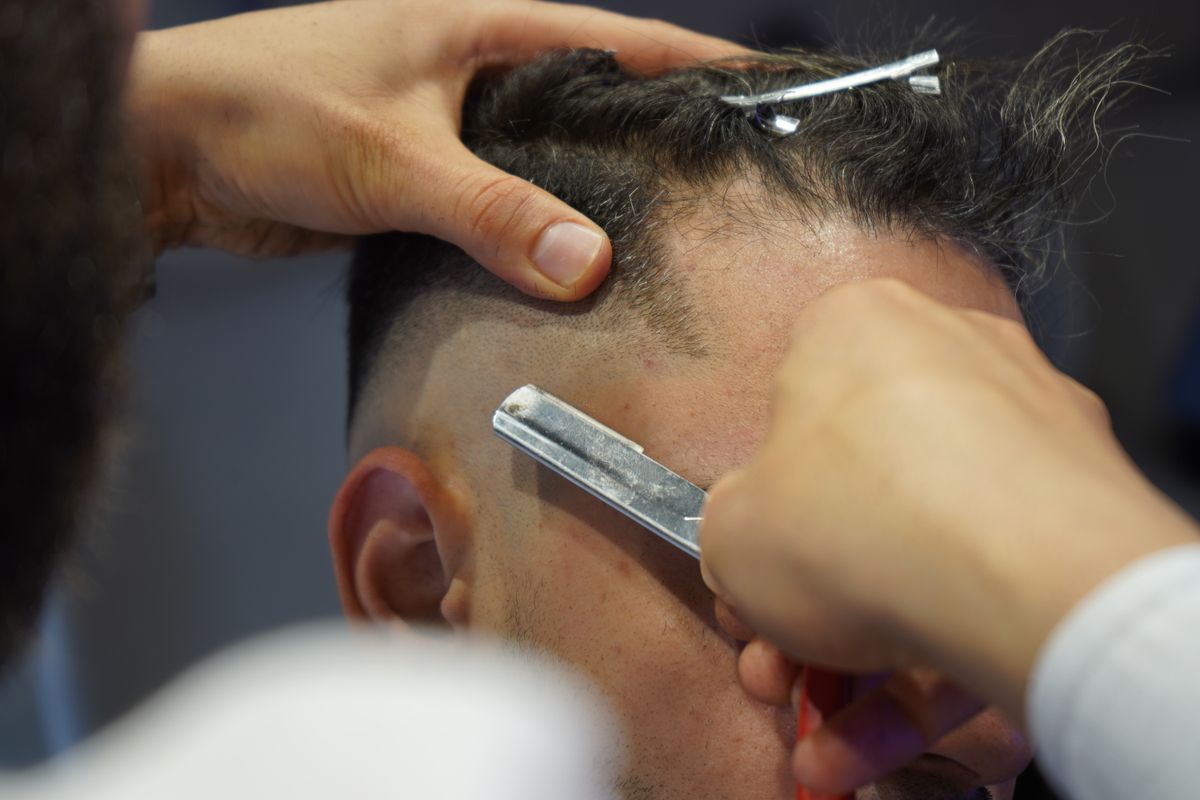
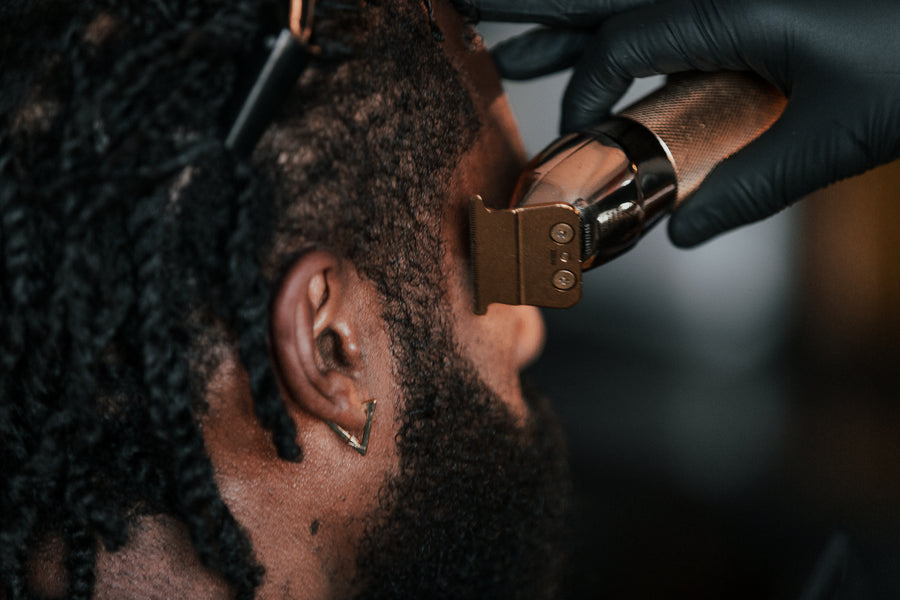
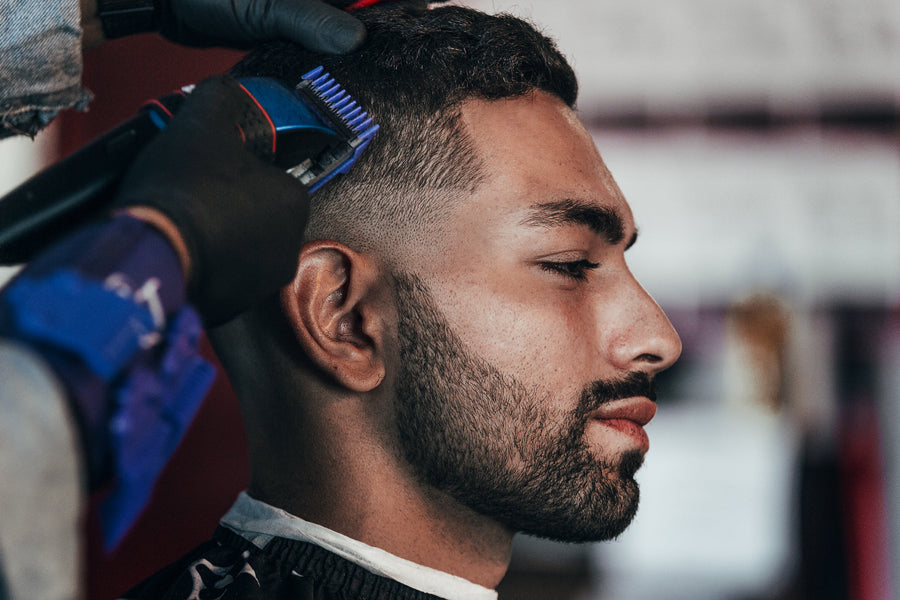
A defined outline and a faded side are separate details. You can want a clean blend while preferring a less marked front edge. Tell the barber how closely you want the outline to follow your natural hairline. Do not let the word sharp leave that decision open, especially if you have previously disliked how much was removed at the temples.
Check the front and both sides before the finish is complete. If you want your natural shape preserved, say that at the start and again when discussing the outline. A photographic reference may have a different hairline, density or styling finish. Use it to communicate the feeling of the cut, not as a template that requires your own edge to be moved to a new position.
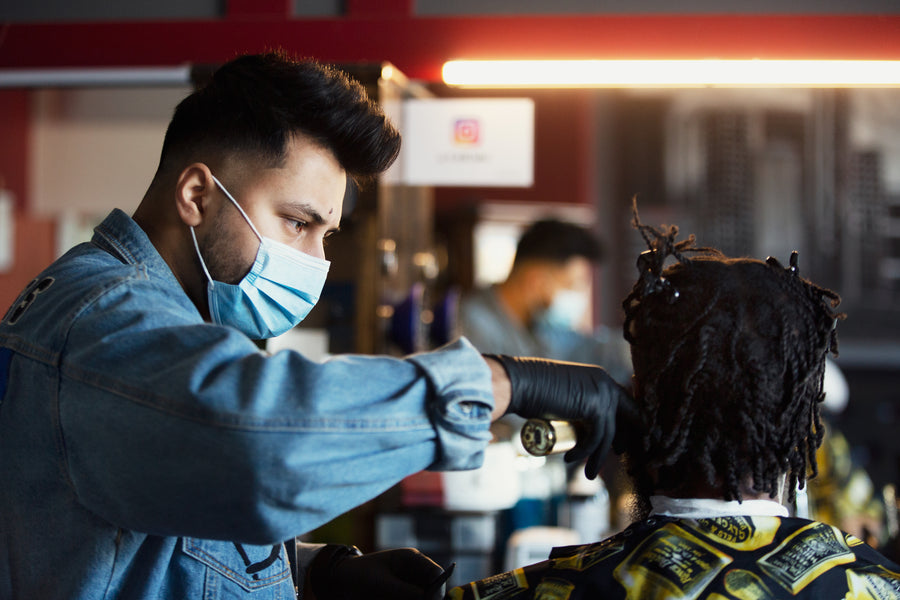
A useful consultation and follow-up
A starting request could be: “I want a mid fade with my natural texture preserved on top. Let’s agree on the dry shape, the shortest side finish and how closely the outline follows my natural hairline.” Add whether you want a compact top or fuller volume, and explain the routine you intend to use between appointments.
After the cut, note where the shape changes first. The side contrast may soften before the top needs cutting, or the top may need reshaping while you still like the sides. Bring that specific observation to the next visit. If you are growing the top, avoid letting a routine refresh remove the progress automatically. Agree on which areas should gain length and which need only a tidy.
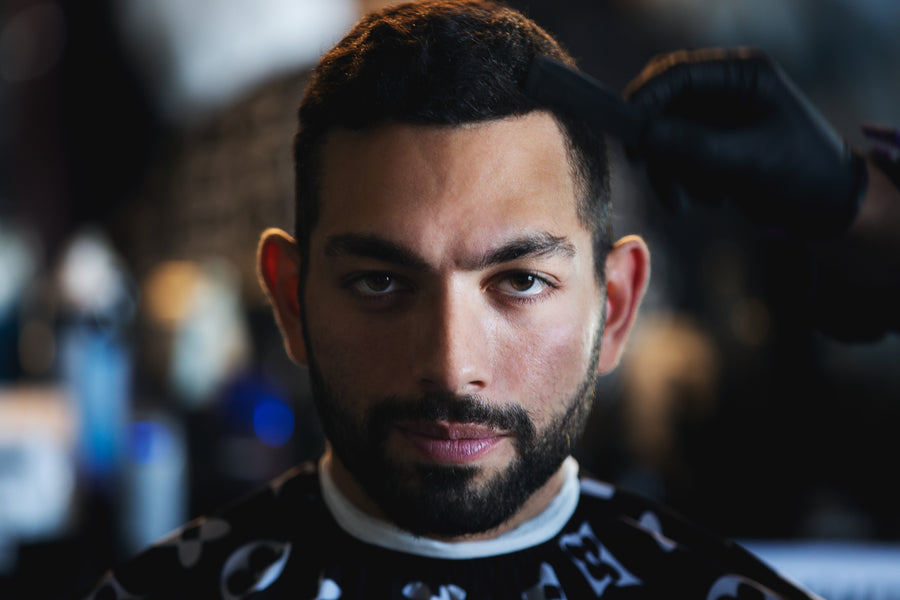
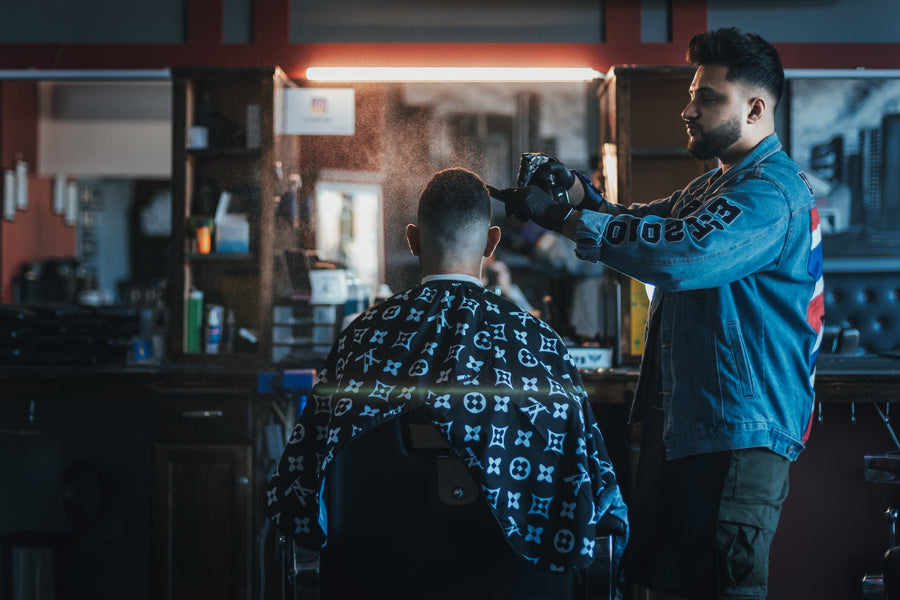
A routine you can test at home
- Arrive with the top in a condition that lets the barber understand your usual dry shape.
- Explain whether you normally wear the texture picked out, compact or individually defined.
- After the cut, recreate your normal finish before deciding whether the top needs further shortening.
- Take front, side and rear reference photos with the hair worn the way you actually keep it.
A sharp lineup changes the front shape more than expected
The lineup and the fade are separate decisions. Ask the barber to show the proposed edge before detailing. If preserving the natural corners matters, make that explicit. Trying to make every sparse edge look solid by moving it backward changes the outline and cannot be reversed during the same visit.
A more precise barber request
Keep this dry height and a rounded top. Blend the sides at a medium height, preserve the upper-side fullness and follow my natural front corners when refining the edge.
An example request to adapt, not a guaranteed result or a record of a tested client.
Common questions
Does coily hair need a skin fade?
No. The shortest finish is a personal choice separate from the texture on top. Discuss skin, stubble or more visible coverage with your barber.
Can I keep my natural hairline?
Yes. Tell the barber you want the outline to follow your natural edge and clarify how defined you want it before finishing starts.
Should I choose a haircut by a numbered curl category?
A category can be a starting description, but dry behavior, density and styling habits are more useful for the consultation. Explain what your hair does and what you want to preserve.