
A mid fade for wavy hair works with the direction and bend of the top. Decide whether the wave should fall forward, travel sideways or sweep back. The same fade can support all three, but they need different top lengths and styling directions.
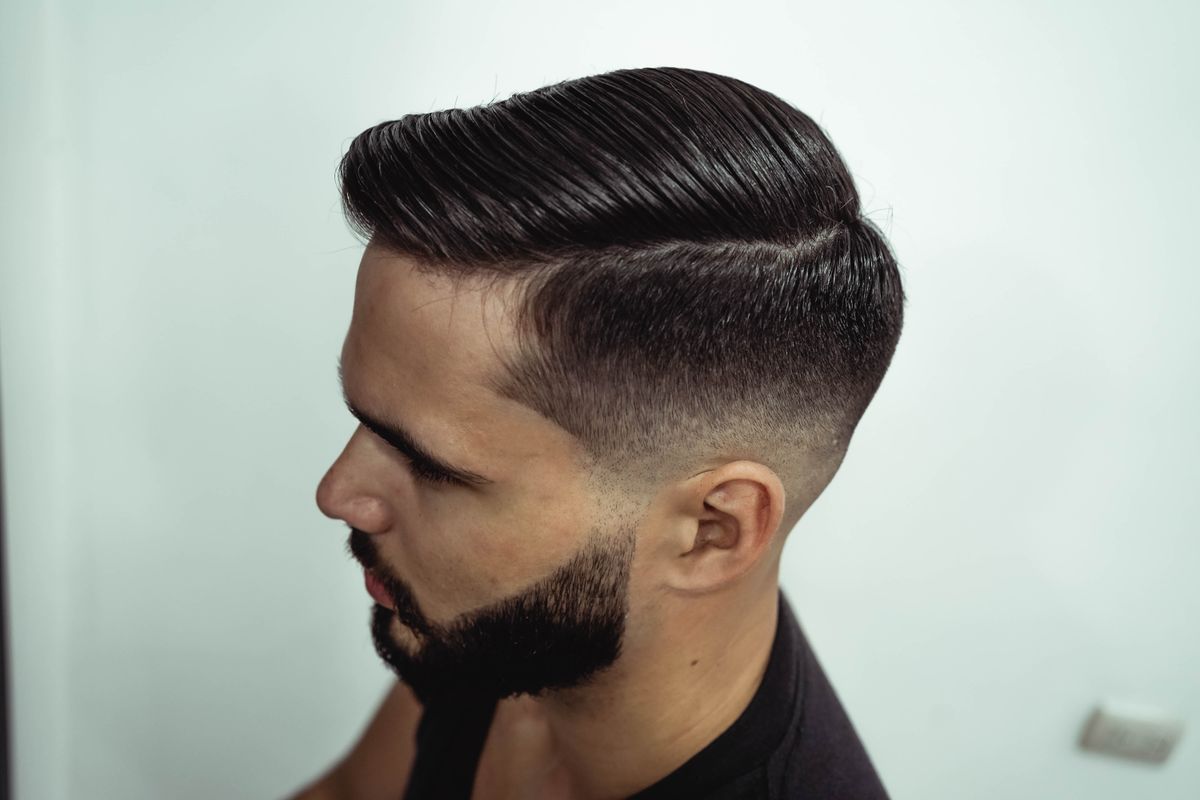
Choose the version that fits your routine
Compare the result you want before deciding on a guard number or product.
| Direction | What changes | What to confirm |
|---|---|---|
| Forward wave | A relaxed fringe with movement | Preserve enough length for the wave to turn before the ends finish. |
| Side-swept wave | Movement travelling across the forehead | Show which side your part naturally opens on. |
| Swept-back wave | An open forehead and visible lift | Check that the front can travel back without relying on a heavy coating of product. |
Read the waves before choosing the length
Watch what your hair does after a normal wash and dry. Where does the front bend? Does one side turn outward? Does the crown separate? These details tell you more about the likely everyday result than a tightly styled reference. If you normally air-dry, show the barber that version rather than only a photo made with a brush and dryer.
Explain which movement you want to keep. Cutting shorter may reduce the visible bend, while leaving too much length in a heavy area can make the shape wider than you intended. You do not need to identify a precise wave category. Describe the behavior in ordinary terms and agree on how the finished front and crown should look once the hair has settled.
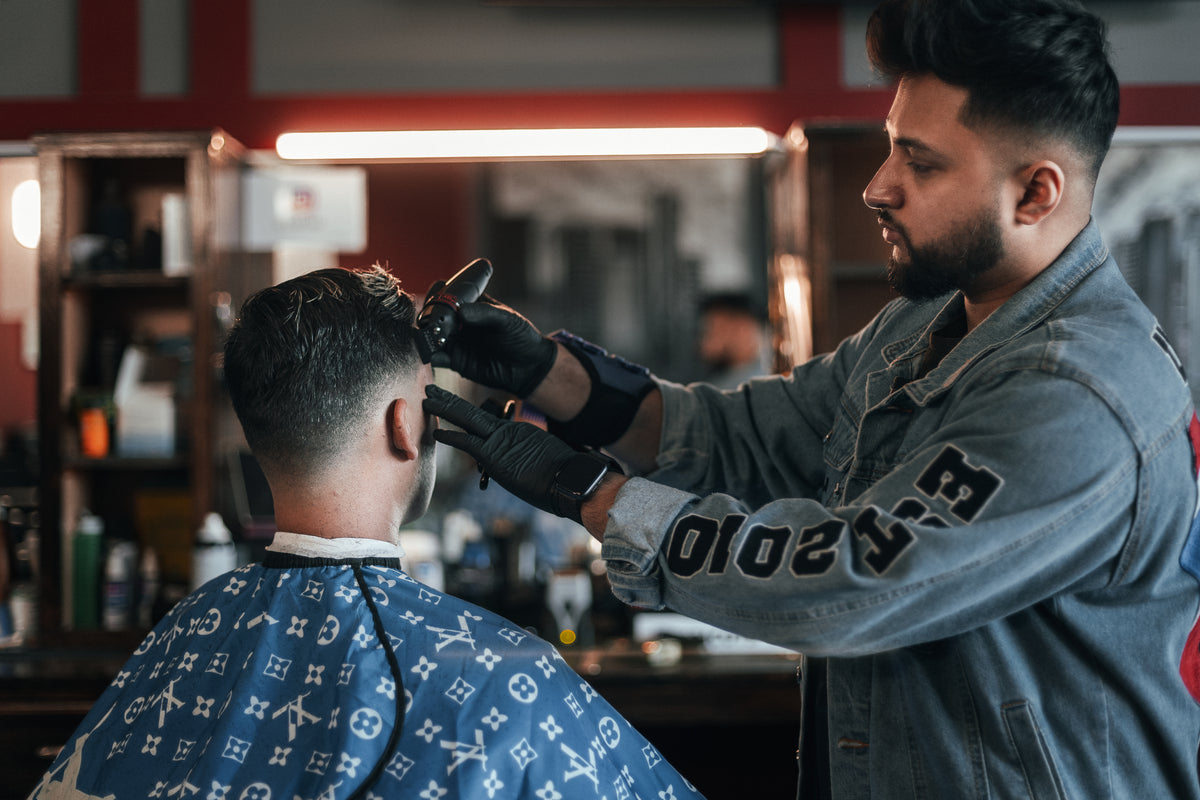
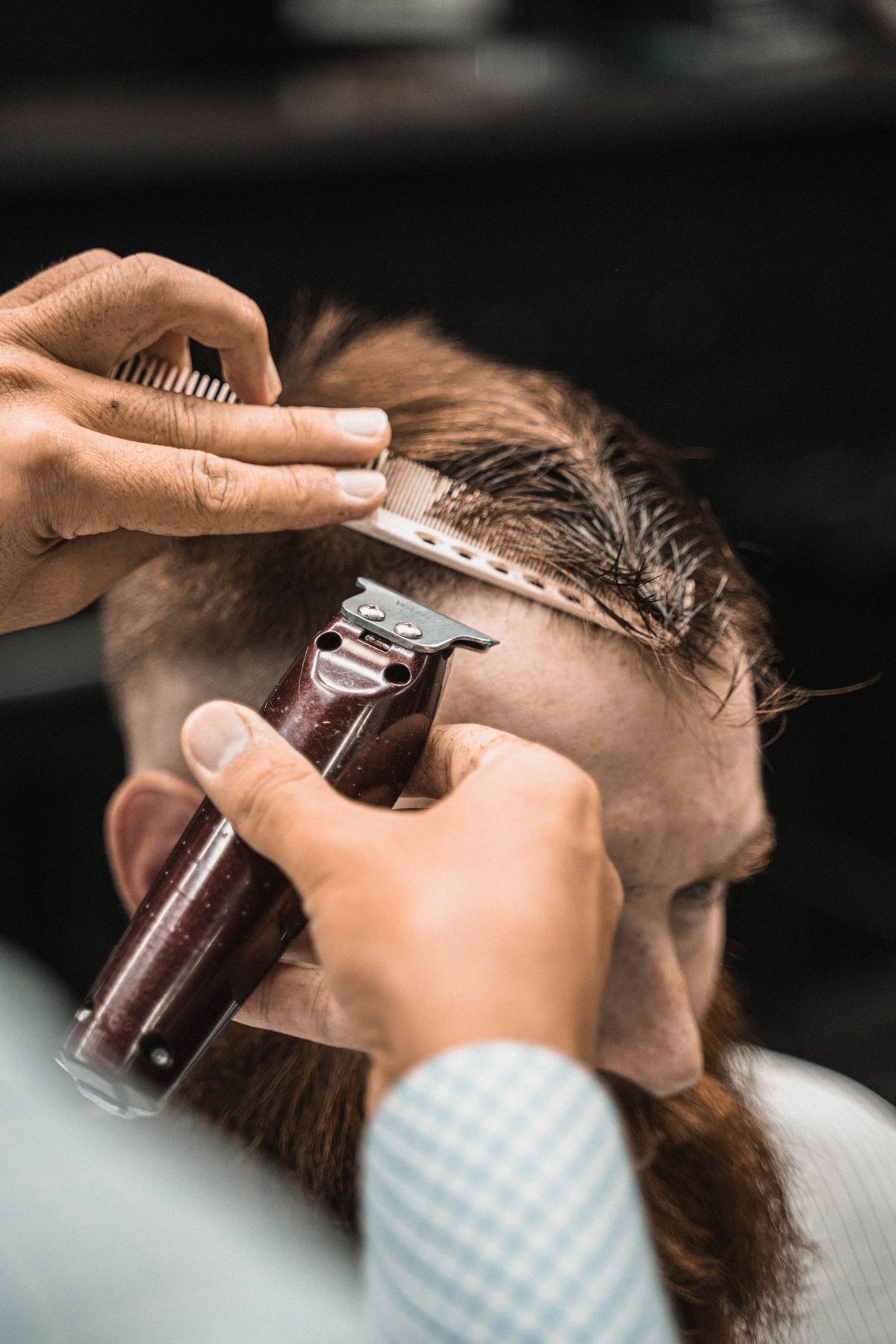
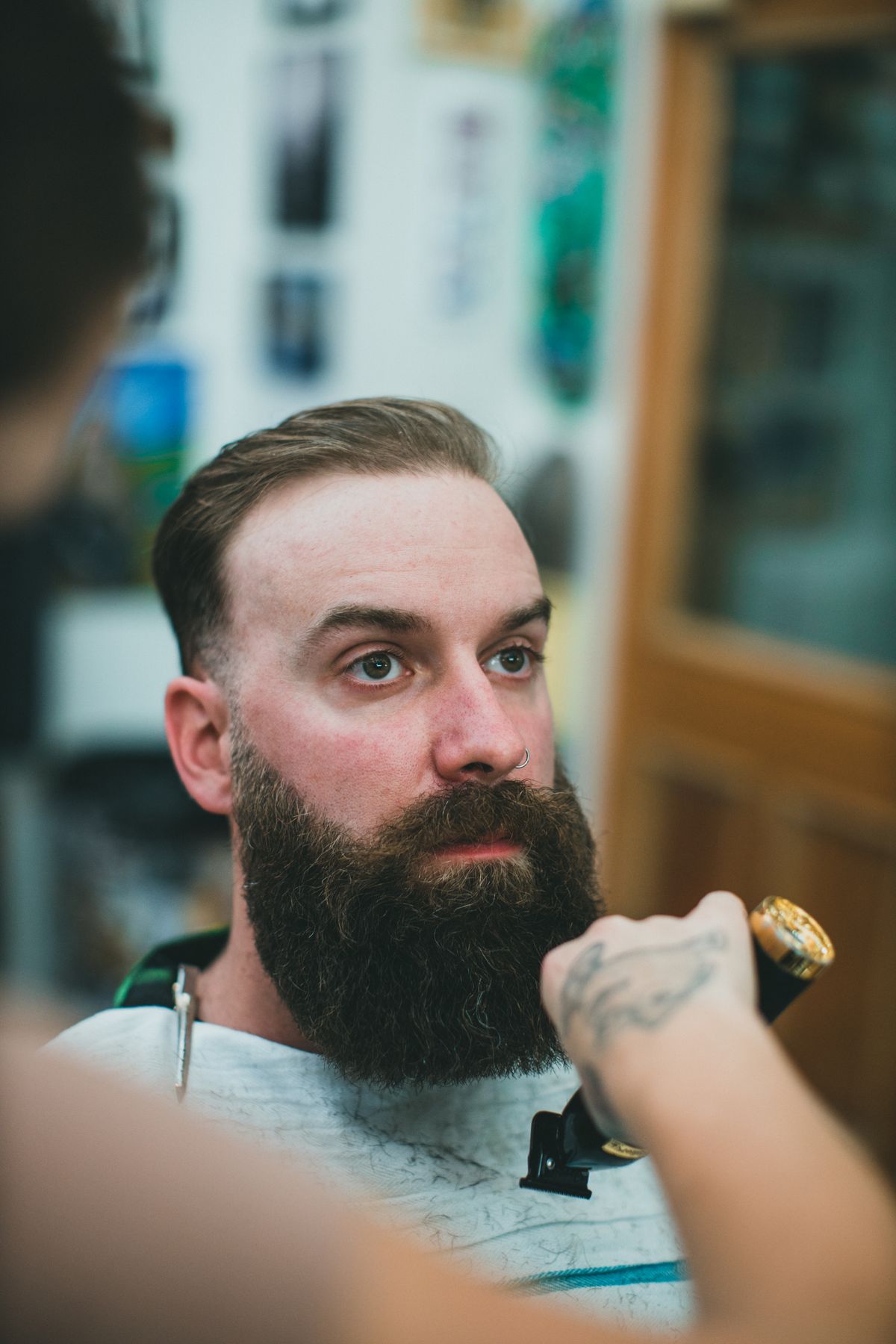
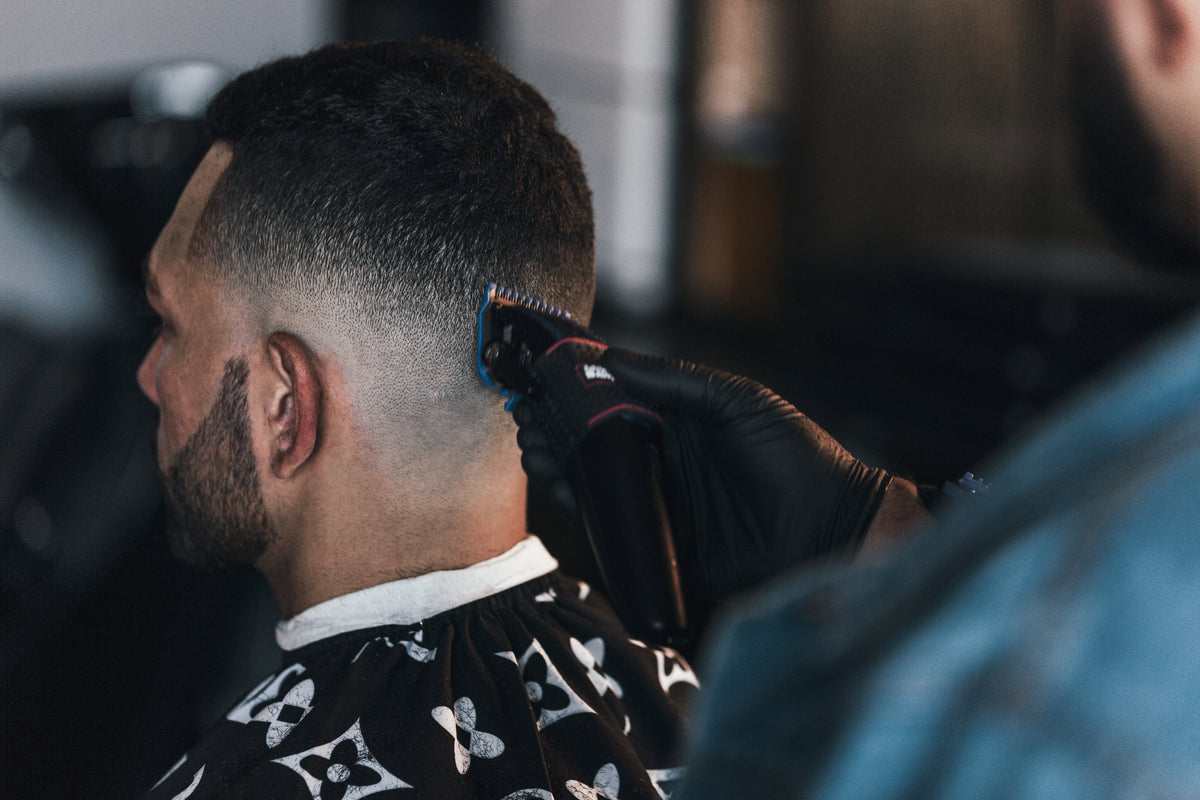
A wavy fringe needs a dry-length conversation
A forward fringe can let a natural bend do much of the styling, but its final position may change as the hair dries. Show whether you want it above the eyebrows, softly on the forehead or lifted away from the face. Agree on the dry result rather than asking for a cut based only on how the wet hair hangs.
Ask how the fringe connects to the rest of the top. If the area behind it remains too bulky for your preference, the front may look like a separate shelf. If too much is removed, you may lose movement you liked. Let the barber explain the balance and check the shape before deciding to take more off. Keep your normal drying method part of that discussion.
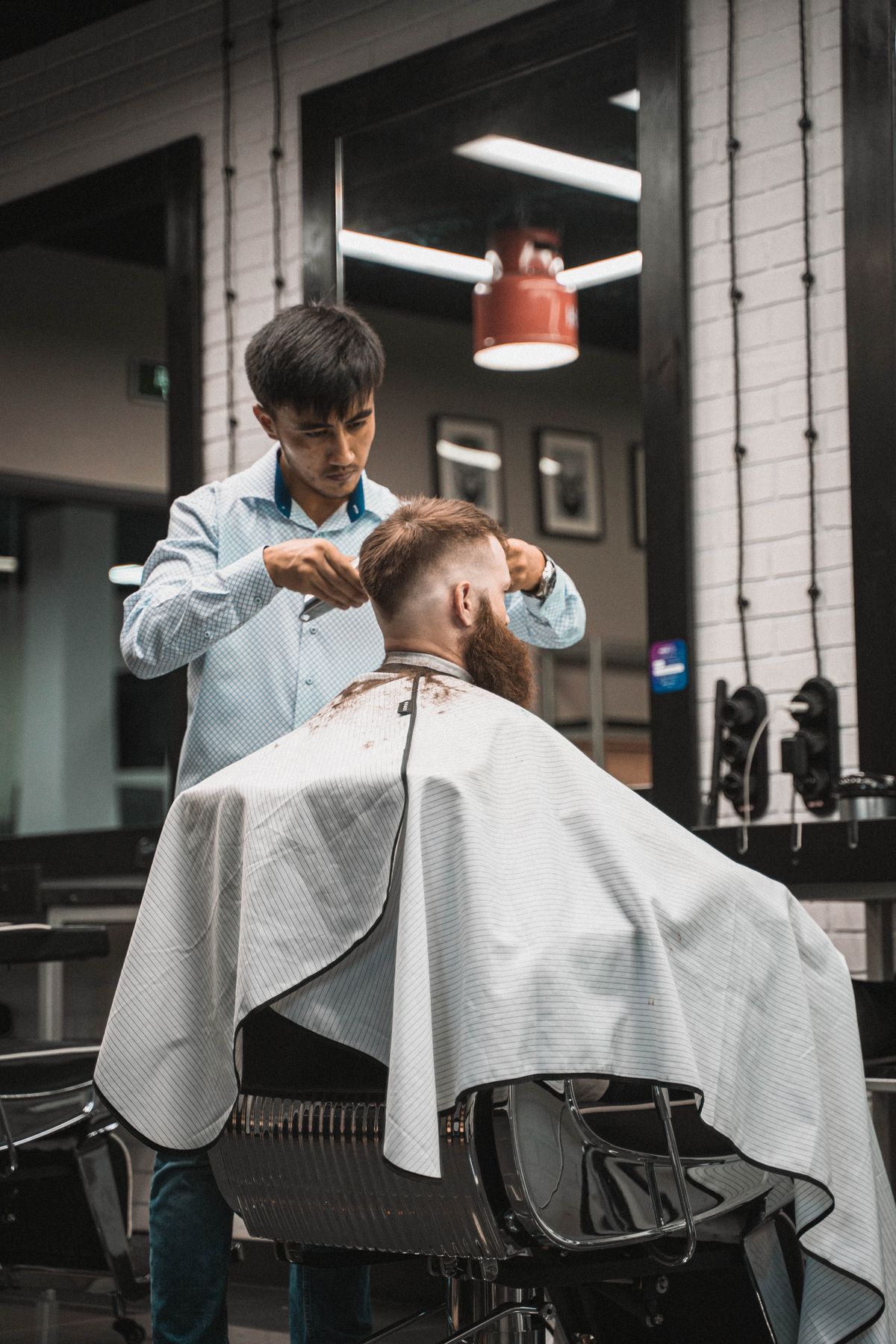
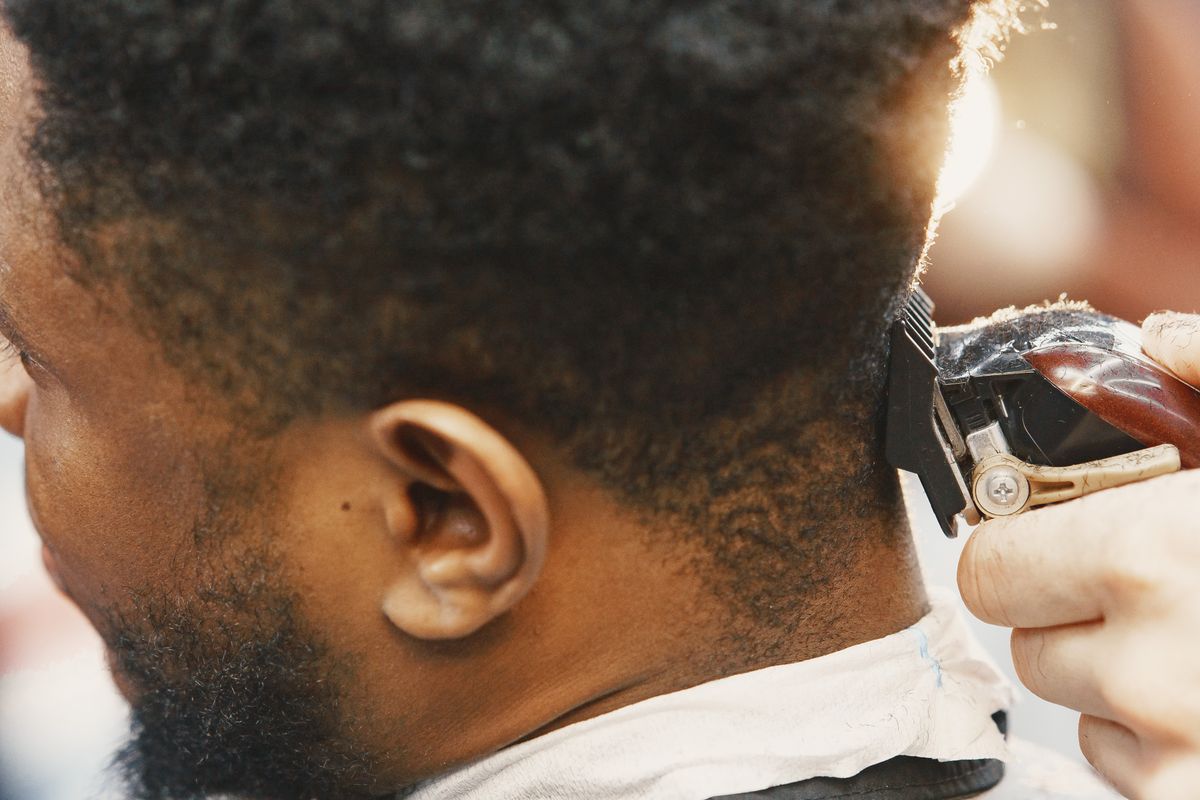
A side part can follow natural movement
Look for a natural split when your hair is lightly styled or left to settle. Working with that direction may make a side part easier to wear than forcing a sharp line in a place your hair resists. Decide whether you prefer a soft division or a more structured finish, and whether you want the freedom to change the part later.
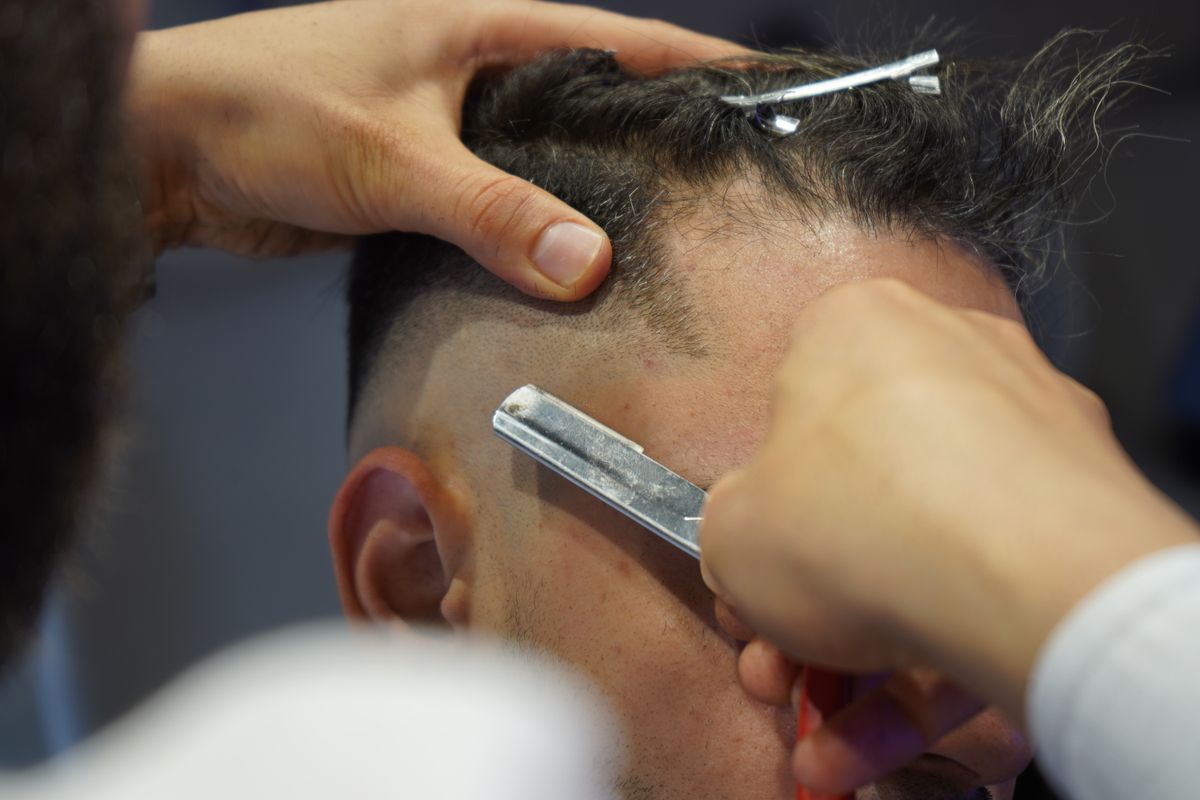
The top needs enough length to travel across without springing straight upward. Explain whether you use a comb or normally arrange the hair with your fingers. A defined part can look different when the waves return between washes, so ask to see a softer version as well as the final salon styling. A hard shaved part is an optional design detail, not a requirement for a side-parted mid fade.
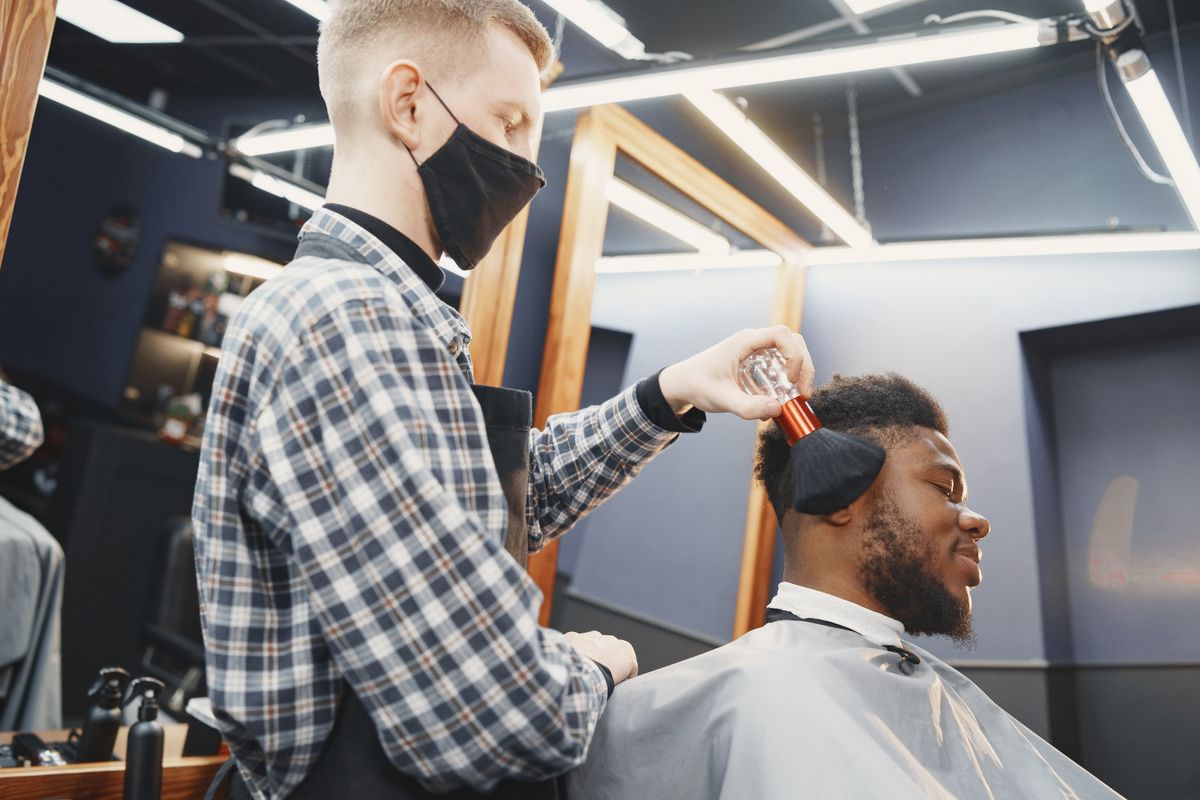
Sweeping waves back changes the routine
A longer wavy top can be pushed back while retaining visible movement. Before choosing it, consider whether your front naturally moves away from your face or falls forward. A reference with substantial lift may use more drying and product than you want each morning. Ask what the cut will do with your usual amount of effort, not only what it can do with a full styling session.
Confirm the length through the front and crown separately. Taking the crown too short for your growth pattern can make it separate while the front still looks long. Keeping everything long can create unnecessary bulk elsewhere. The consultation should establish the overall direction and which parts need enough length to support it. Let the barber adapt the shape rather than copying a fixed measurement from another person.
Manage the corner where waves meet the fade
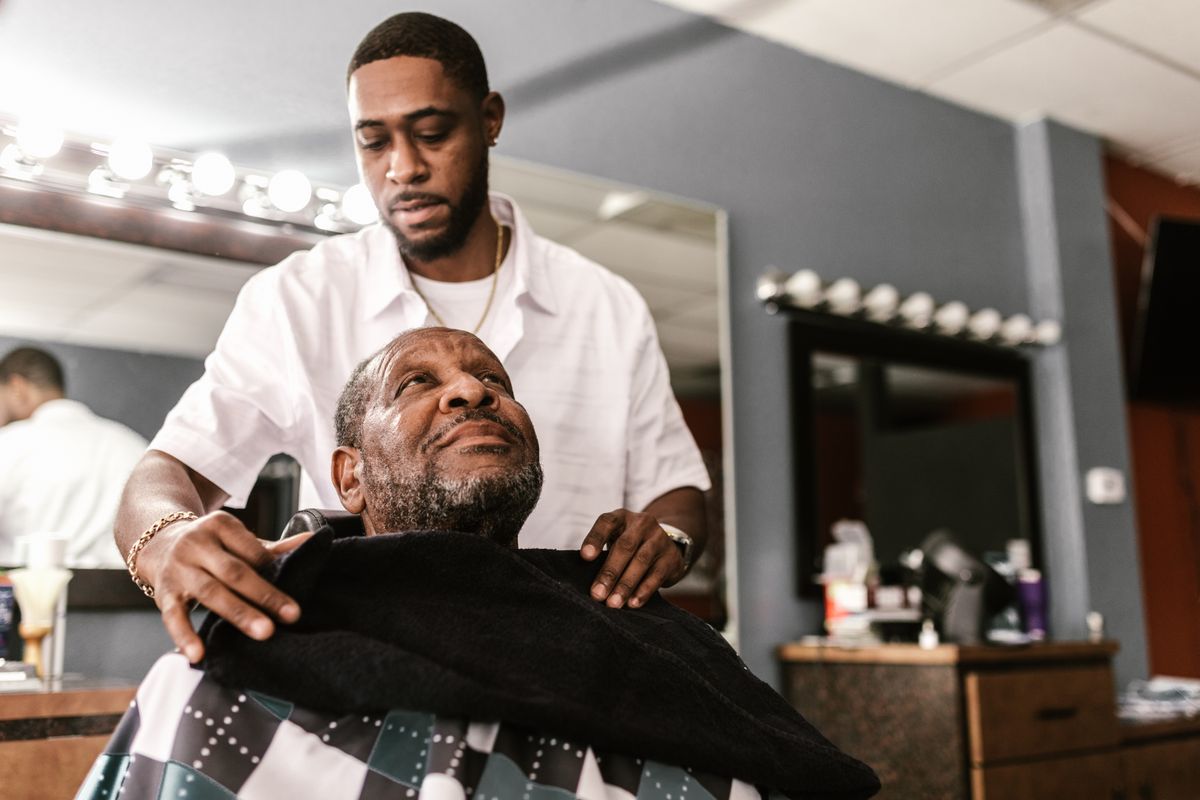
The upper sides can decide whether the haircut looks connected, rounded or sharply contrasted. Wavy hair may turn outward at that corner even when the lower fade is tidy. Point out the area if it has been difficult in previous cuts. Ask whether the solution is preserving weight, adjusting the top connection or changing the placement of the shorter section.
Avoid assuming that a higher fade will solve every bulky area. It also changes how much side coverage remains and can move the silhouette away from the look you wanted. Show your barber the finished shape you prefer from the side and front. If you wear glasses, check how the upper-side length sits around the frames before agreeing on the final amount to remove.
Choose closeness independently of the waves
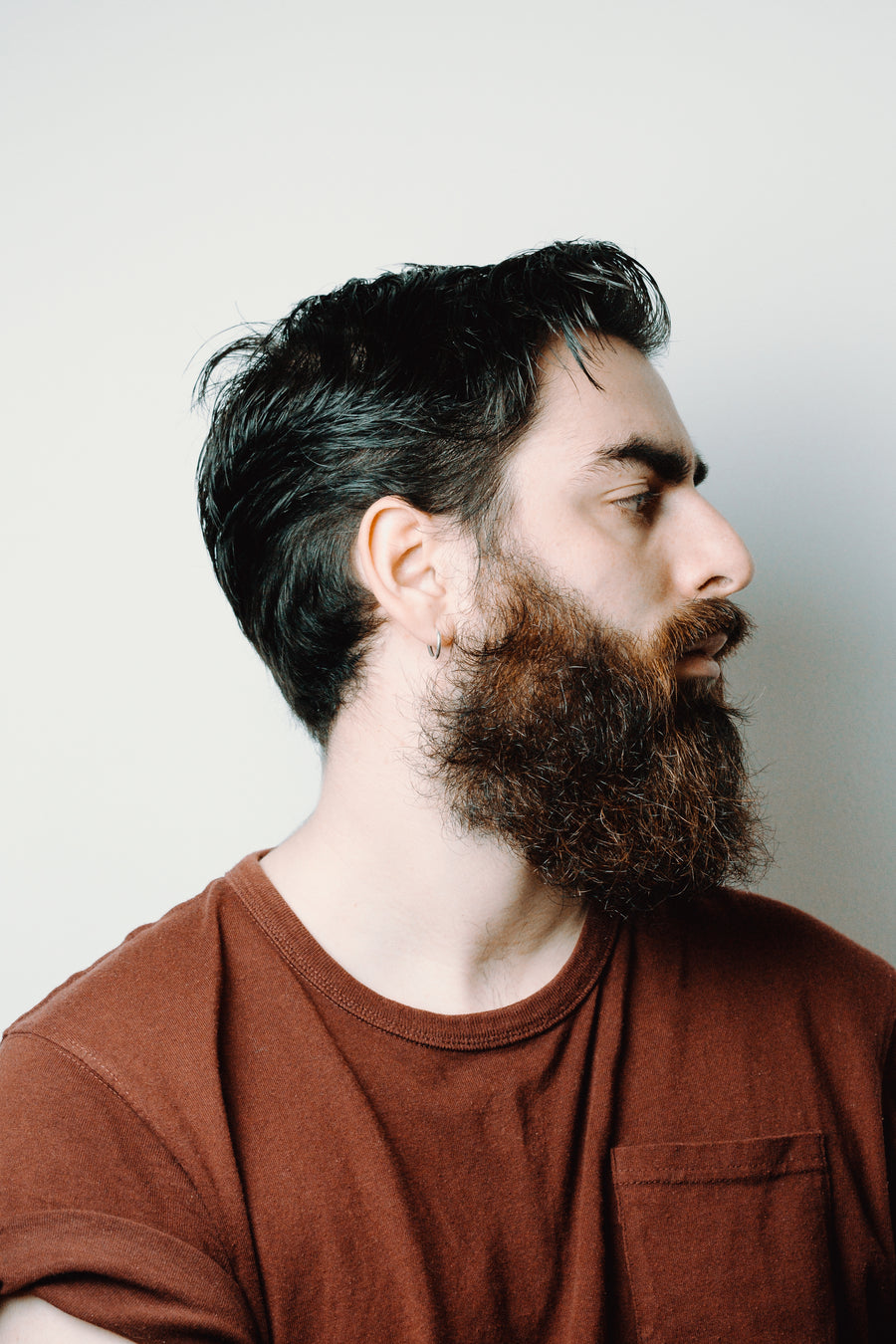
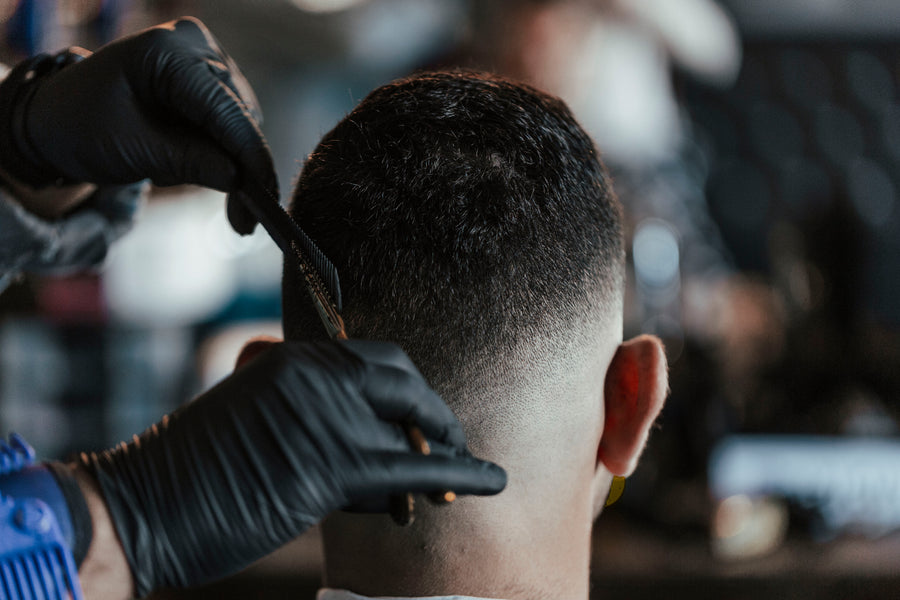
You can keep waves on top with a skin finish or with visible hair at the shortest point. The contrast will differ, but the texture does not require one universal finish. If you are new to fades, ask the barber to indicate the transition height and explain how much scalp will show. Use a side reference with a similar amount of exposure.
Lighting and hair density affect how strong that contrast looks in a photograph. A dark, dense top above close sides can look more dramatic than the same idea on lower-density hair. Do not infer the exact cutting setting from a photo alone. Agree on the coverage you want, then let the barber choose and explain the settings that fit that result.
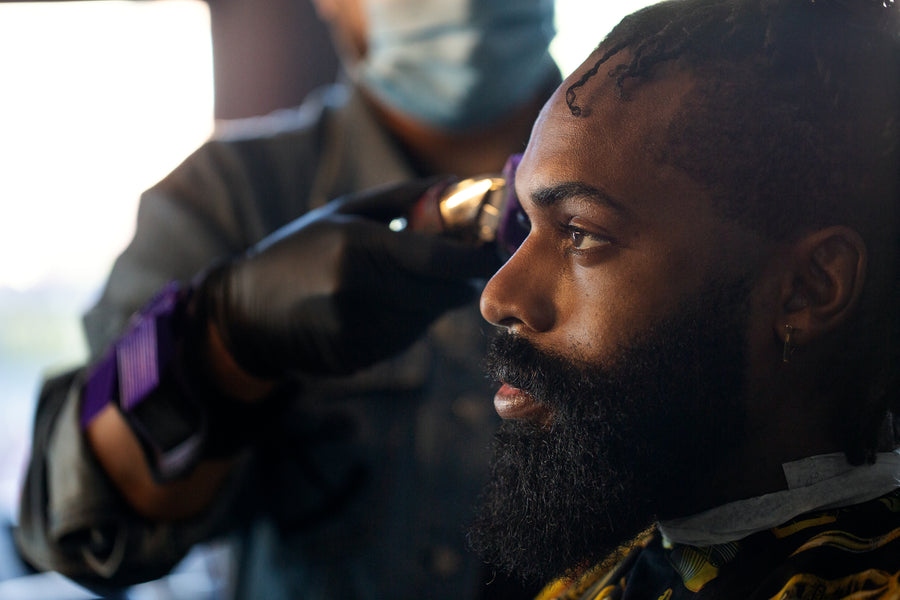
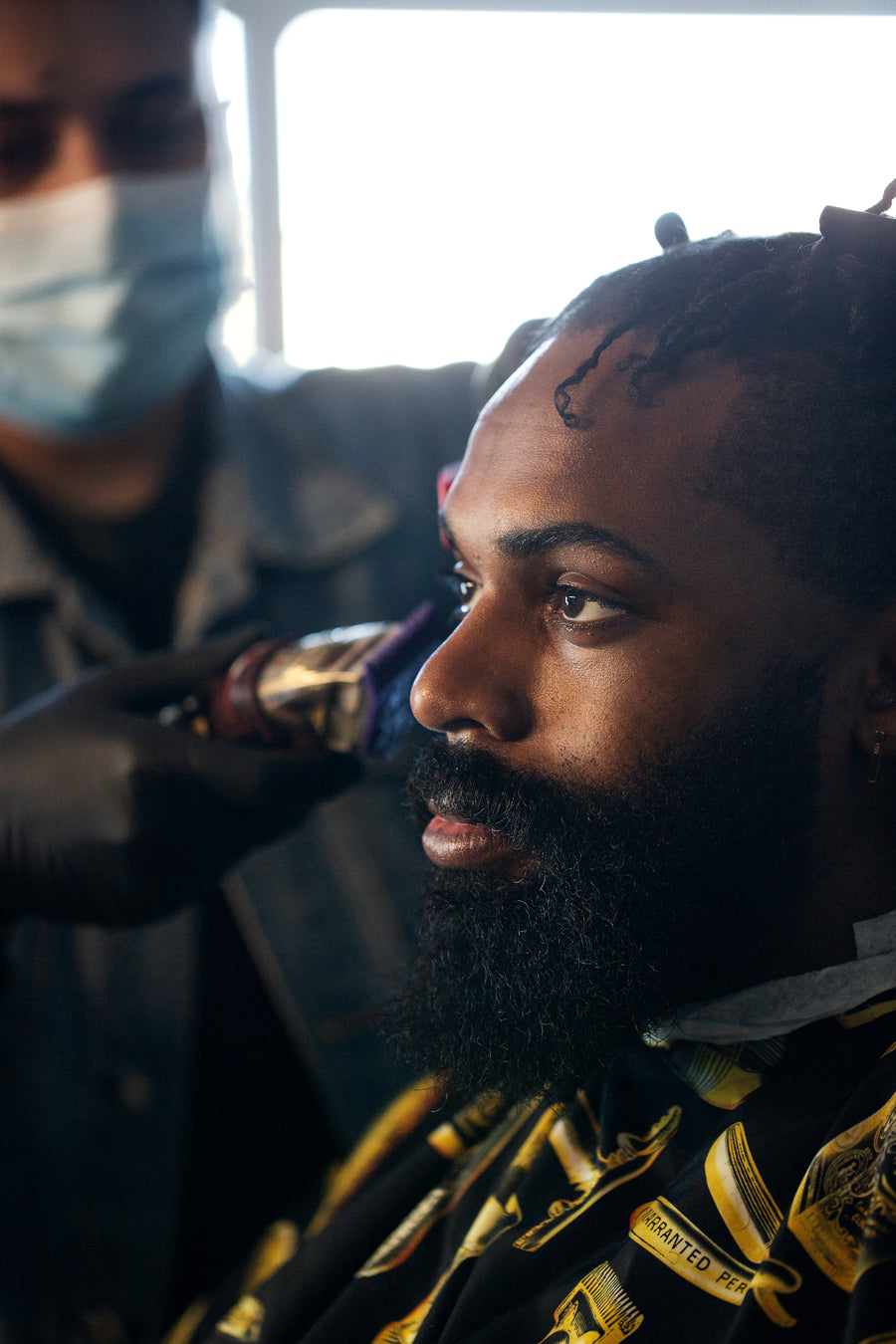
Use the grow-out to improve the next cut
Notice when the haircut first becomes harder to manage. Perhaps the front starts falling into your eyes, the upper sides turn outward or the crown loses its connection. Record that specific change. A photograph taken in similar light to your fresh-cut photo can help you explain the difference without assuming the entire haircut needs to be shorter next time.
If you like the waves but dislike the returning width, ask the barber to focus on that trade-off. If you prefer fewer appointments, discuss the amount of contrast you are happy to let soften. Avoid resetting a growing top automatically when only the sides need attention. Tell the barber which movement you want carried into the next version and which part of the daily routine you would like made easier.
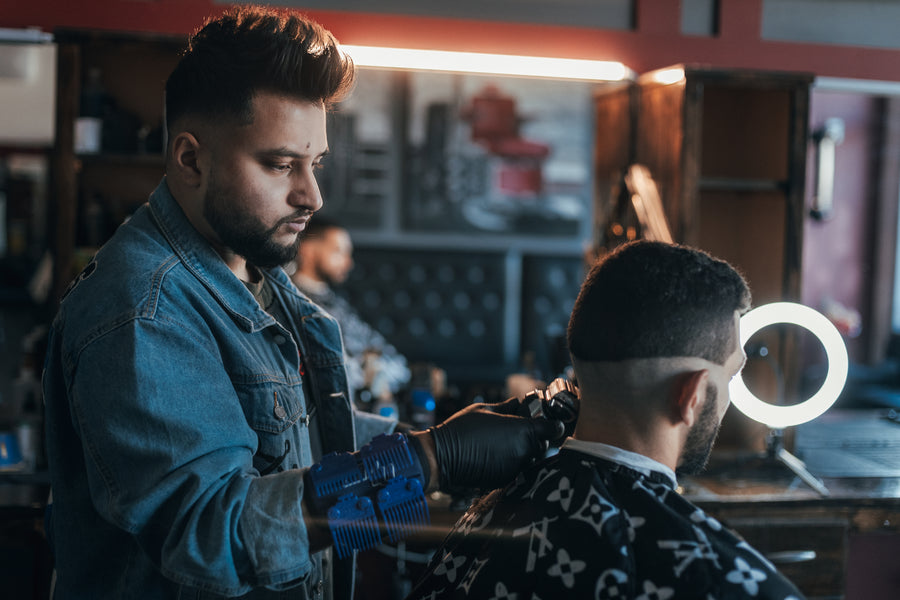
A routine you can test at home
- Start with the top evenly damp so a flattened section is not already set in the wrong direction.
- Arrange the part or fringe before drying. Use fingers for a loose finish and a comb for a more defined path.
- Let the wave settle, then add a small amount of your usual styling product only where control is needed.
- Judge the shape from the side as well as the front; a neat front can conceal extra width near the crown.
One side kicks out while the other lies flat
First check the dry direction on each side. Brushing both sides identically may fight the way one wave turns. Try arranging the section in its natural direction. If the outline is still wider than you want, show that exact area at the next cut instead of requesting more thinning everywhere.
A more precise barber request
Keep the wave visible and let the front travel to this side. Preserve enough length for the bend, then blend into a mid fade without taking the upper corner too tight.
An example request to adapt, not a guaranteed result or a record of a tested client.
Common questions
Will a mid fade remove my waves?
The fade mainly changes the sides and back. The top length and shaping determine how much wave remains visible, so agree on those separately.
Can I air-dry a wavy mid fade?
It depends on the top direction and your growth pattern. Tell the barber you intend to air-dry and ask for a shape that works with the result you naturally get.
What if the sides stick out?
Show the exact upper-side area that turns outward. Changing its weight or connection may help, but moving the whole fade higher changes the haircut and should be discussed first.