
“Mid taper fade” is used inconsistently. A useful request specifies localized blending at the temples and nape, the side coverage to retain and the shortest finish. A taper can reach skin; it is not defined simply by stopping short of skin.
Choose the version that fits your routine
Compare the result you want before deciding on a guard number or product.
| Direction | What changes | What to confirm |
|---|---|---|
| Temple and nape taper | Shorter sections concentrated at the edges | Point out the hair above and behind the ear that should remain. |
| Full mid fade | A broader shortened band around sides and back | Confirm that you want more side coverage removed than a localized taper. |
| Taper with skin finish | Bare finishing within the tapered areas | Choose coverage and closeness separately so skin does not imply a full fade. |
Start with coverage, not a haircut label
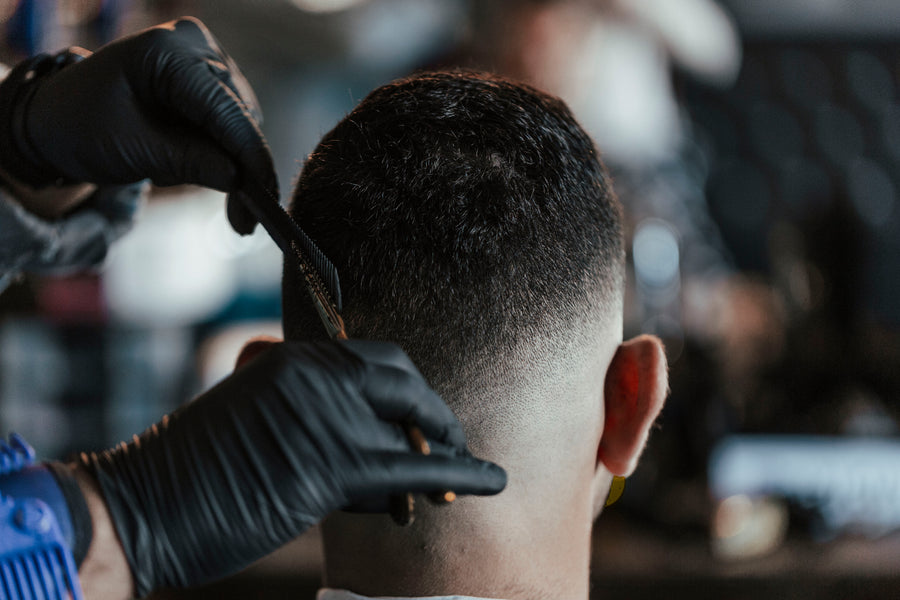
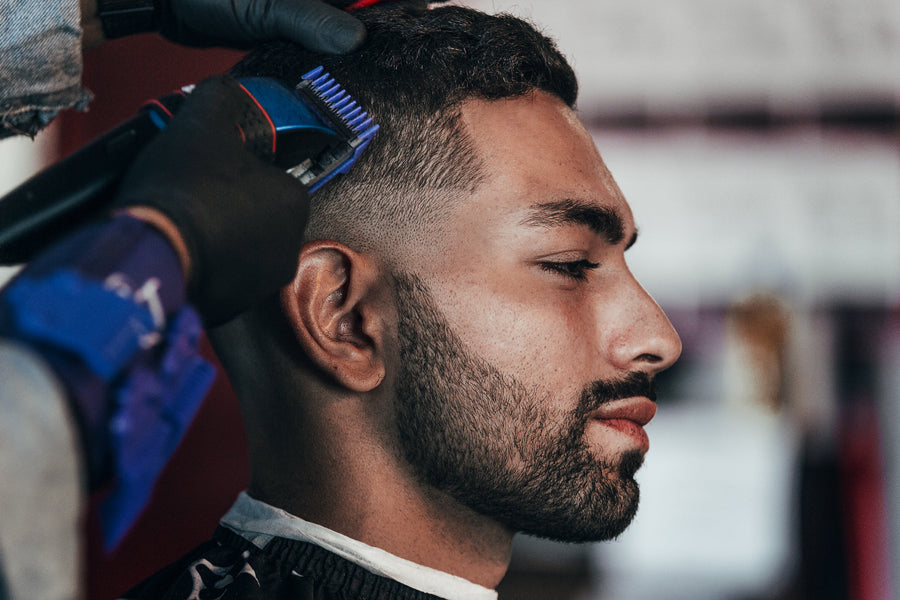
Look at the space above and behind the ear in your reference. Is it still covered with visibly longer hair, or does the close area extend across most of the side? Then inspect the neckline. A taper can tidy the edges while leaving the main silhouette relatively full, whereas a fuller fade changes a larger area. Those visible differences matter more than the caption attached to a photo.
Tell your barber which areas you want left alone. For example, you might like a clean sideburn but want to keep weight through the upper sides. Ask them to indicate the planned transition before they start. A request for a mid taper should not leave you guessing how far the short section will travel behind your ear or up the back of your head.
Keep placement and shortest finish separate
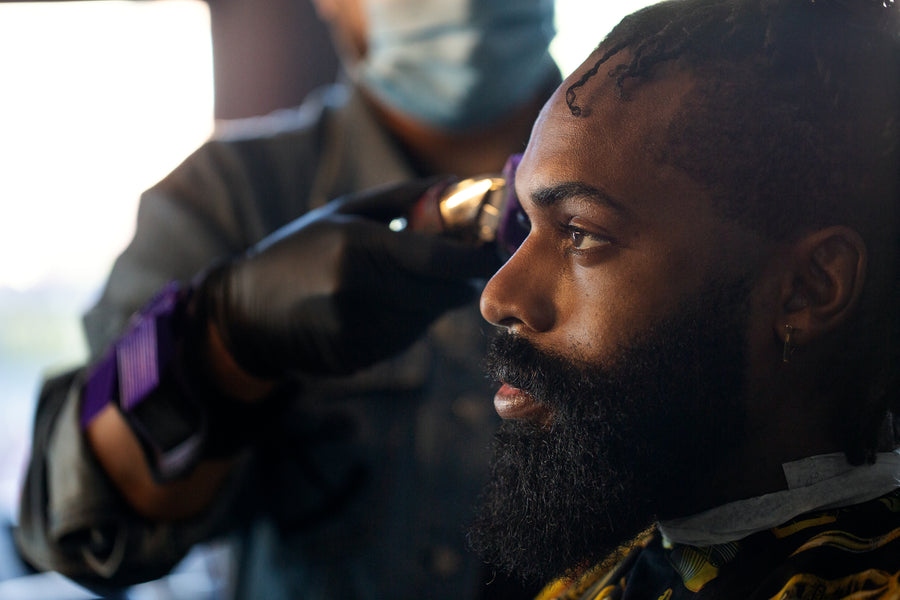
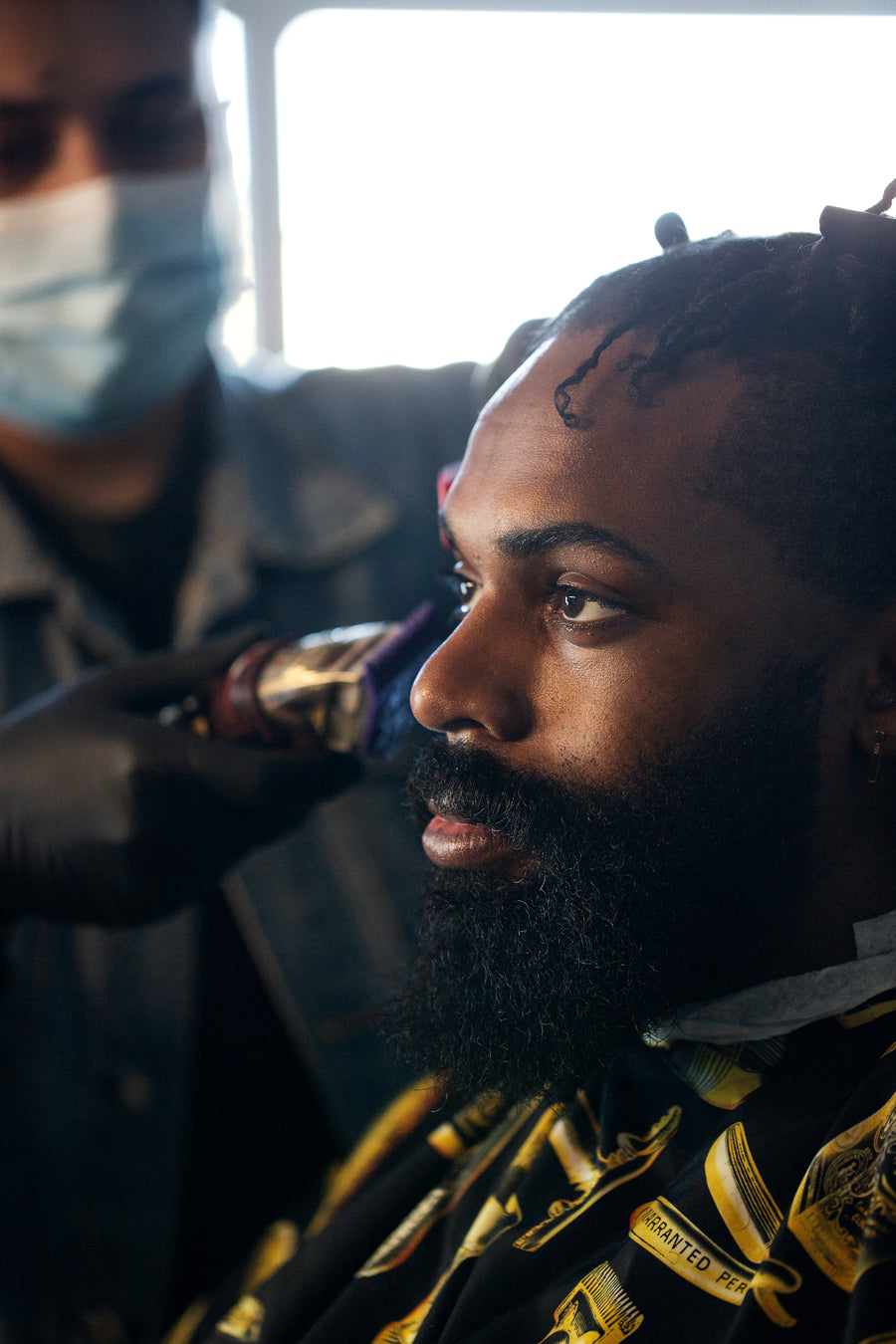
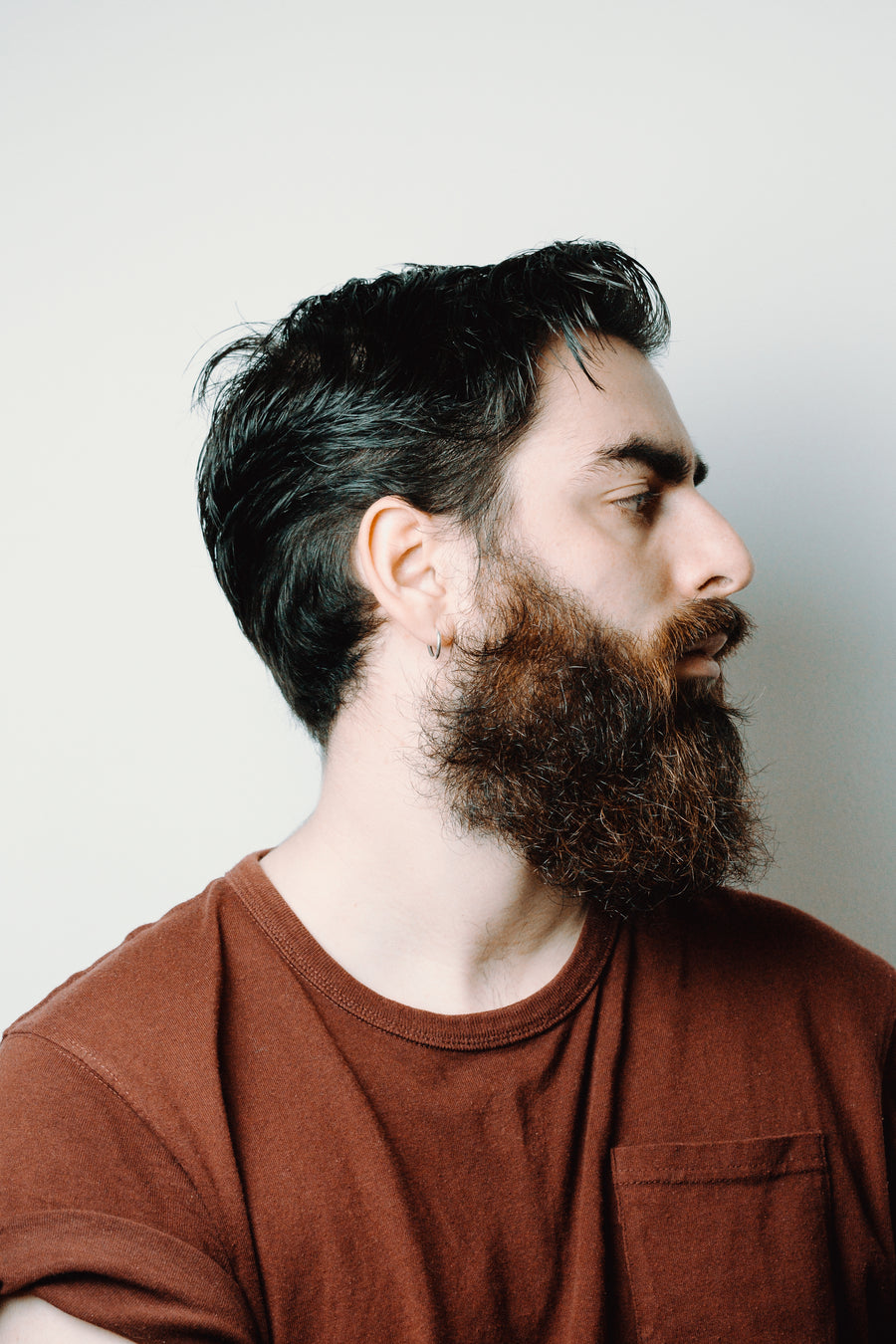
Mid describes a relative placement; it does not tell the barber whether the shortest point should reach skin. If you want visible coverage at the bottom, say that directly. If you like a skin finish around the tapered area, confirm both the closeness and the boundaries. A localized taper and a close finish can coexist, depending on the shape agreed during the consultation.
Do not rely on a guard number to describe the whole result. A number does not establish the width of the transition, the amount of hair retained above it or the route around the neckline. Ask to see what the proposed shortest setting means on your hair. Hair and scalp contrast can make a similar cutting length appear different from one person to another.
Choose the top direction before cutting
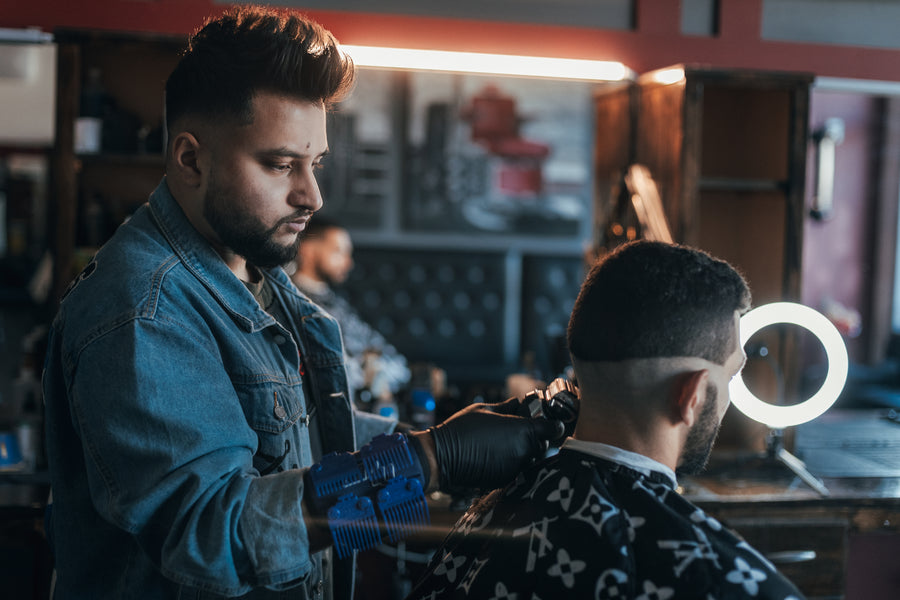
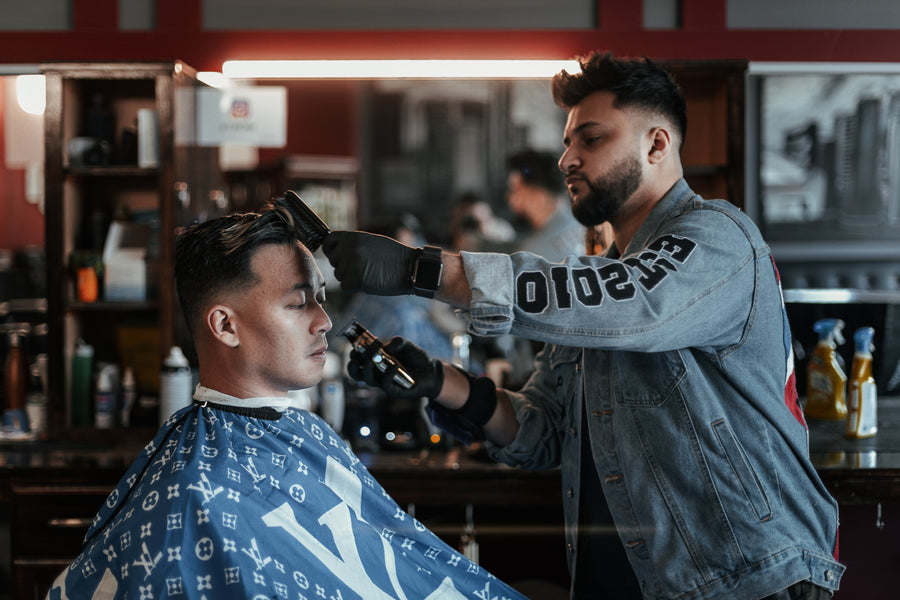
A tapered outline can support a forward crop, a side part, natural texture or a longer top swept back. These are different cuts above the taper. A barber needs to know where you want the hair to travel, which areas need length and whether you expect the style to work without a dryer. Showing a top reference is useful even when your main concern is the edges.
If you are undecided, demonstrate the way you normally arrange your hair. Notice whether the front naturally falls forward or lifts away from your forehead. Mention whether you change the part or sometimes wear a cap. Preserving useful length for your ordinary routine is more important than choosing an impressive salon finish that requires a different set of habits every morning.
Discuss the temples and hairline carefully
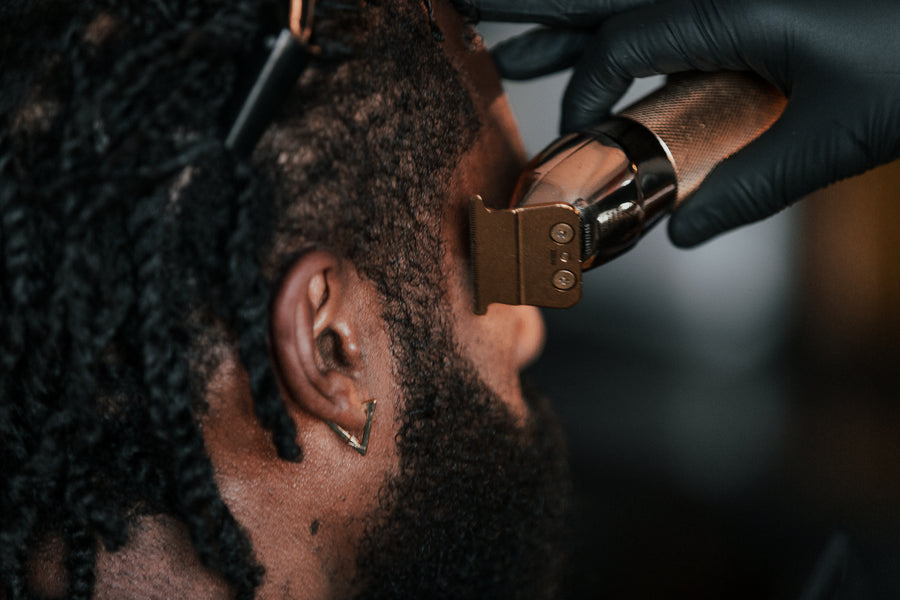
The temple area includes both the blend and the front outline. You may want the sideburn very tidy while preferring a natural front hairline. Say which edge you want defined and which you want preserved. A sharper appearance should not be treated as permission to move the hairline back or create a shape you have not discussed.
Check this area with your glasses on if you wear them. Frames occupy some of the same space, and a cut that looks clean without them may sit differently during your normal day. If the side hair tends to spring outward, ask whether keeping some weight would help. Making the taper higher or closer is not automatically the answer to hair that resists lying flat.
The back view completes the request
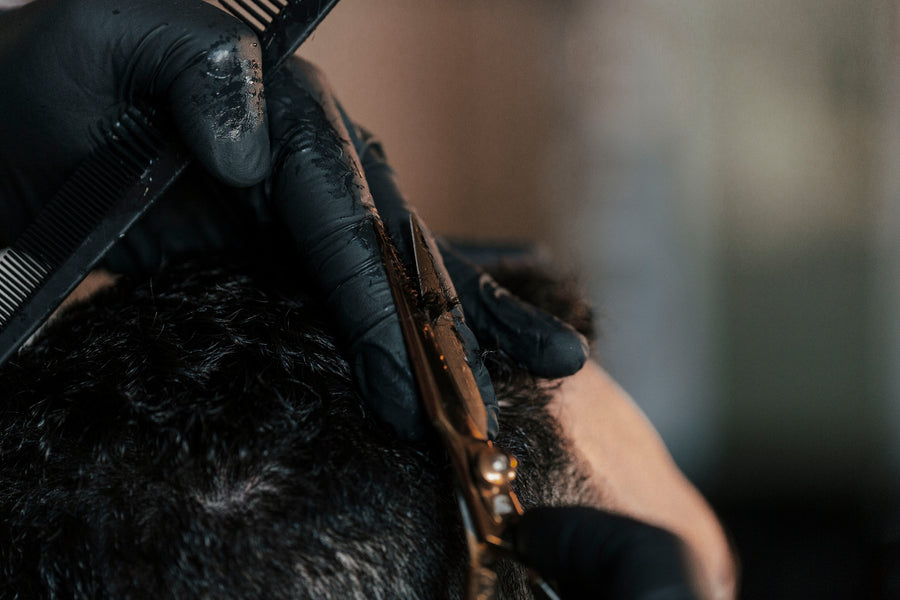
Two cuts can look similar from the front and leave very different amounts of hair at the nape. Save a back reference whenever possible. Point out whether you like a soft, natural finish, a more definite outline or a blend that retains fullness above the neckline. Explain if you are growing the back rather than asking for an automatic return to its shortest shape.
At the end of the appointment, use a mirror to check the connection between the sides and back. Look at the overall silhouette before focusing on a single edge. If you want an adjustment, identify the area and explain the effect you hoped for. A conversation about more coverage at the nape is clearer than asking for the entire haircut to look less sharp.
Adapt the taper to texture and density
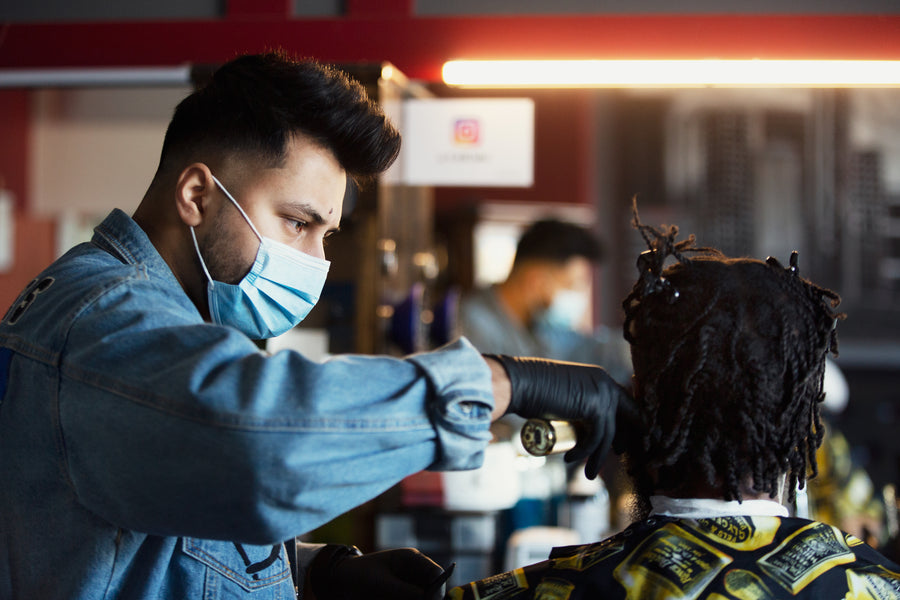
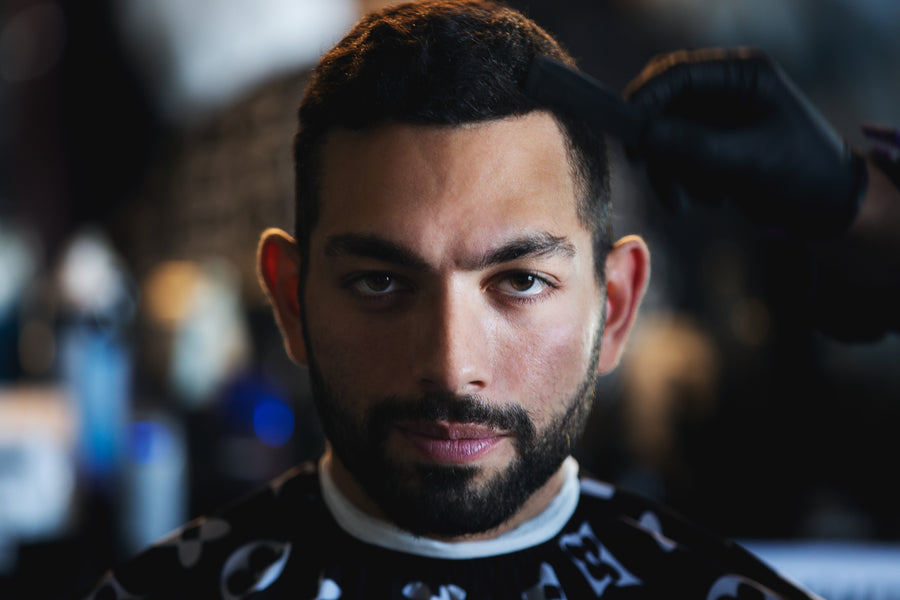
Straight hair can make the upper connection easy to inspect, while waves and curls change the shape as they settle. Coily hair may hold a compact or fuller outline depending on the length and styling. None of these textures dictates one correct taper. Explain the dry silhouette you want and let the barber assess how much weight should remain around the tapered sections.
Density deserves its own conversation. A close finish may expose more scalp than a reference suggests, especially under bright light. If you want to preserve coverage, compare a softer shortest finish with the photograph before deciding. The useful request is about the result you want to see, not an assumption that a taper can make every hairline or density pattern appear identical.
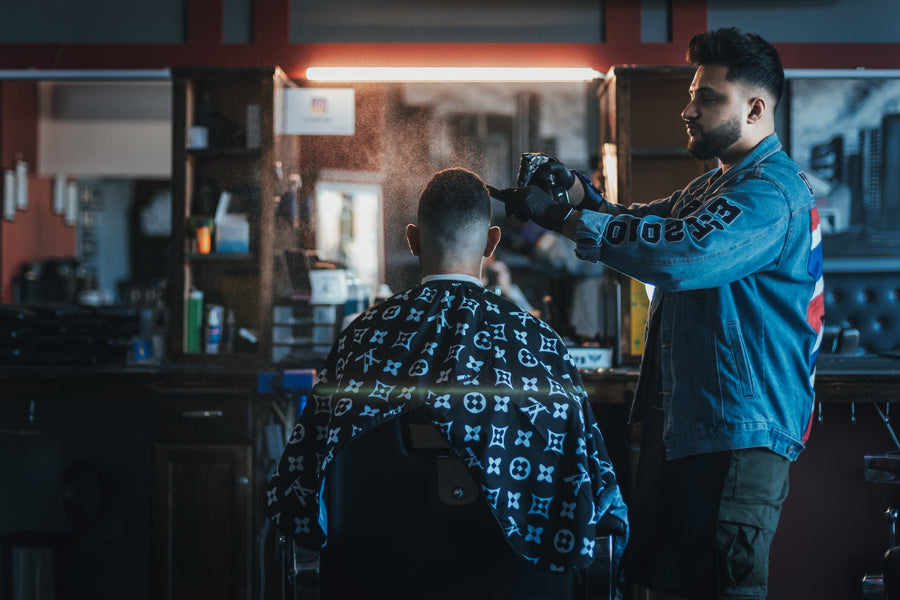
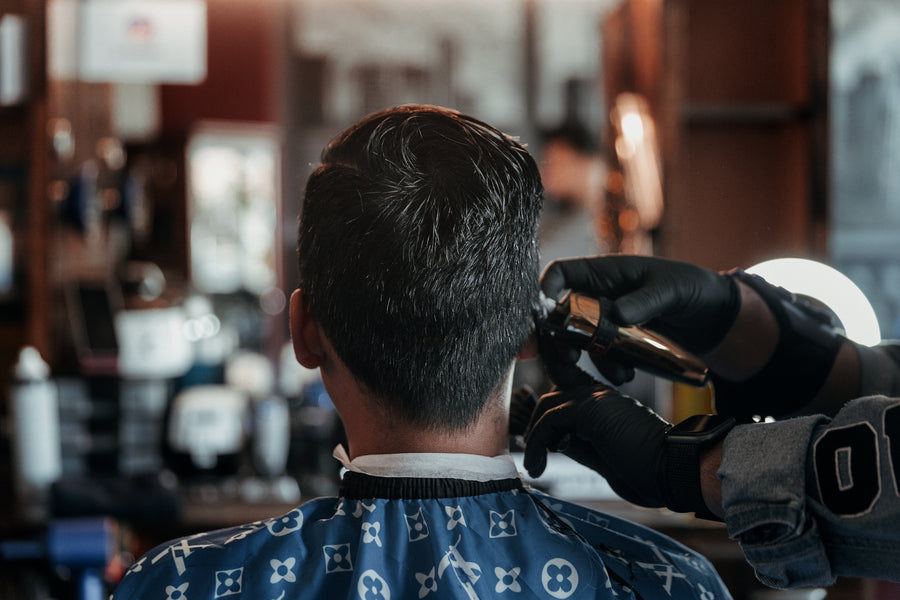
Maintain the outline without losing the shape
A taper can need an edge refresh before the longer top needs shortening. Notice what changes first: sideburn definition, neckline softness, upper-side bulk or the direction of the front. Tell your barber which part stopped working and whether you want the rest preserved. Ask what a maintenance service includes so a small tidy does not unintentionally become a full reset.
Keep a photograph of the finished side and back, then compare it with the point at which you want another appointment. Use similar light and angles. If you are growing the style out, say that at every visit and agree which areas are allowed to gain length. The right maintenance interval is the one that fits the appearance you enjoy, your time and your budget.
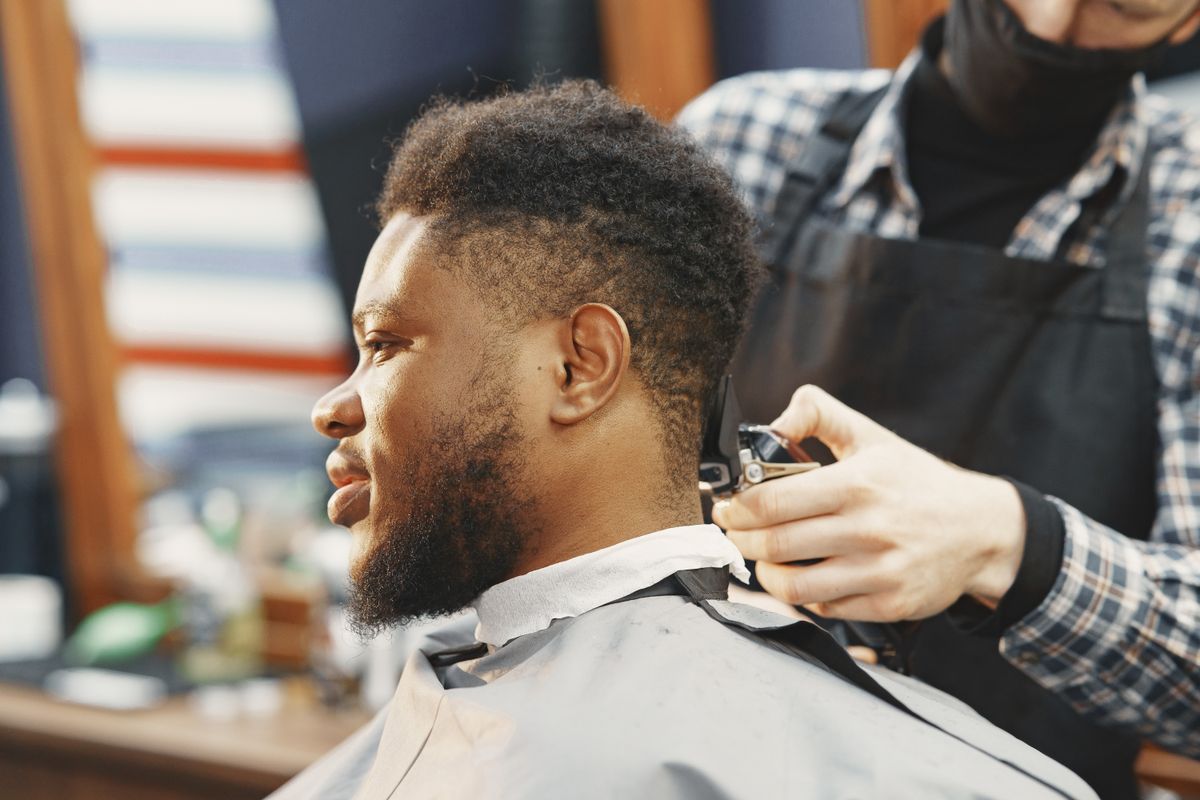
A routine you can test at home
- Style the fuller sides and top in their normal direction.
- Check the temple and nape edges separately from the overall silhouette.
- Request an edge refresh if that is all you need, and confirm what the service includes.
- Avoid repeatedly extending the tapered area just to remove new growth; that changes the haircut’s coverage.
You asked for a taper but received a full side fade
The label did not identify the coverage to preserve. In the next consultation, trace the temple and nape areas and show the hair you want left between them. Ask the barber to describe the difference before starting, since shops do not all use the terms identically.
A more precise barber request
By mid taper I mean localized blending at the temples and nape, with hair retained around the sides. Keep this coverage above the ear. Let us agree separately on whether the tapered areas reach skin.
An example request to adapt, not a guaranteed result or a record of a tested client.
Common questions
Is a mid taper always a skin fade?
No. The area being tapered and the shortest finish are separate decisions. Ask whether the taper will reach skin and where the short sections will stop.
Can I keep a long top with a mid taper?
Yes, if the top and upper-side connection are designed for the direction you want to wear. Explain whether you push it back, part it or wear it forward.
Should I ask for a specific guard?
You can discuss a familiar length, but it does not describe placement or coverage. Ask the barber to confirm the visible result rather than treating a guard number as a complete brief.