
A mid fade with a long top describes contrast, not a single hairstyle. Define what the length must do: fall forward, cross a part, sweep back or tie away. Then choose a connected blend or an intentional separation from the sides.
Choose the version that fits your routine
Compare the result you want before deciding on a guard number or product.
| Direction | What changes | What to confirm |
|---|---|---|
| Long fringe | Length falls toward the forehead | Agree on the resting length when dry, not only the stretched length. |
| Long side sweep | Hair travels across the top | Retain the path from the part to the opposite side. |
| Brush back | An open forehead with length directed backward | Check front length and crown behaviour before shortening the supporting sections. |
Define what long means for your intended style
Long is relative. A top may be long enough to move across the head but still too short to stay swept back without effort. Instead of starting with a fixed number, show the direction you want and ask whether your current length supports it. The front and crown may need different amounts of length to behave the way you expect.
If you are growing from a shorter cut, discuss an intermediate version. You may need to wear the top forward or to the side while the front gains length. Avoid taking the whole top shorter just because one area is awkward. Ask which sections can be shaped now and which should be protected so each appointment moves you toward the style rather than resetting it.
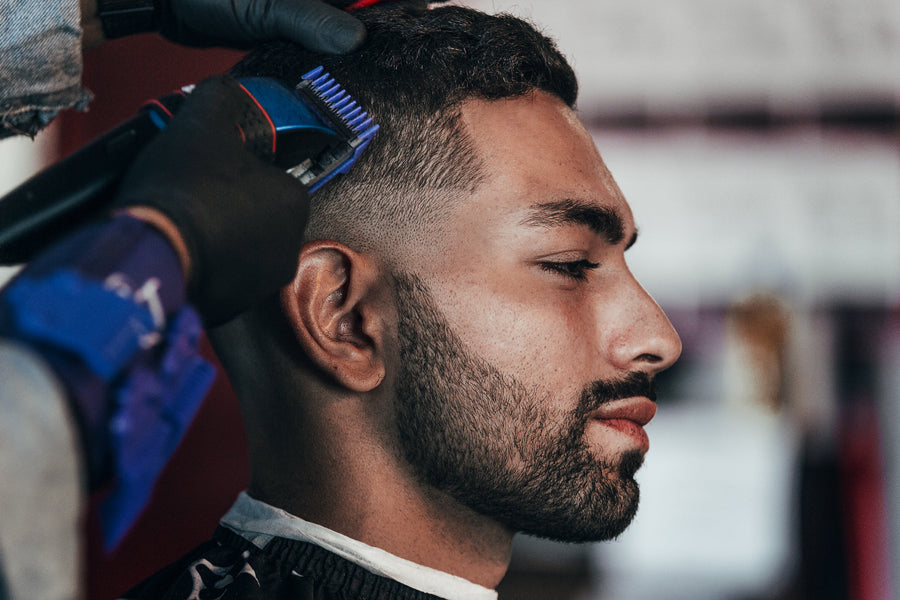
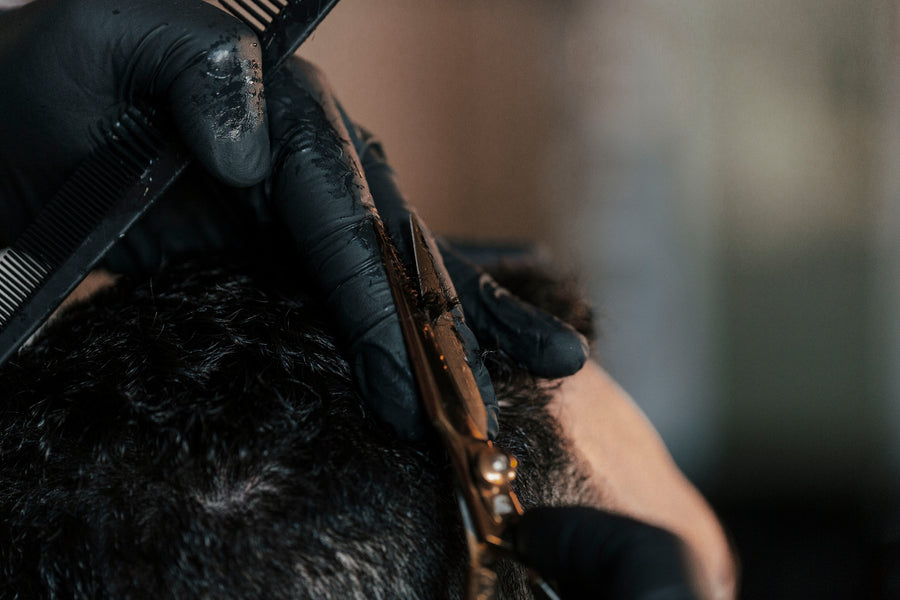
A swept-back top starts at the roots
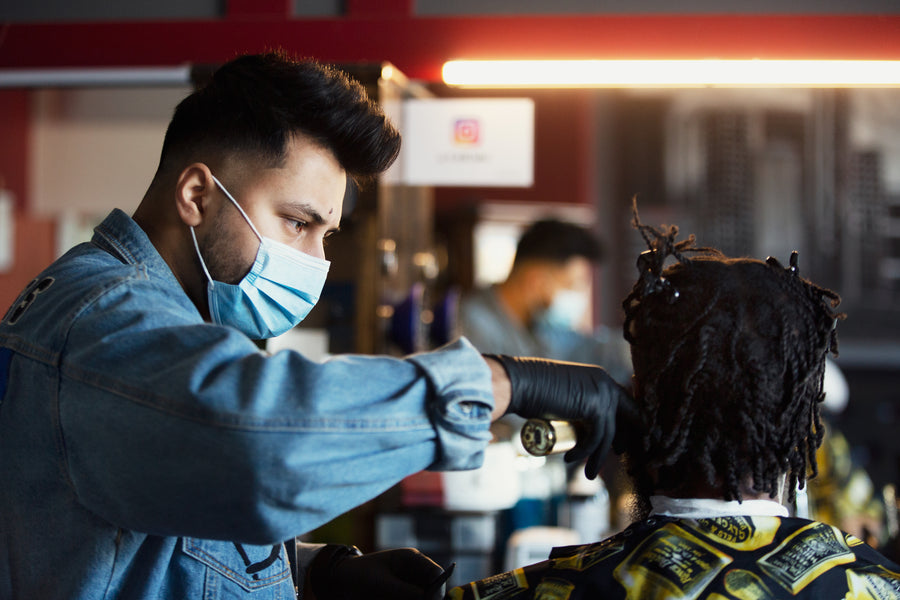
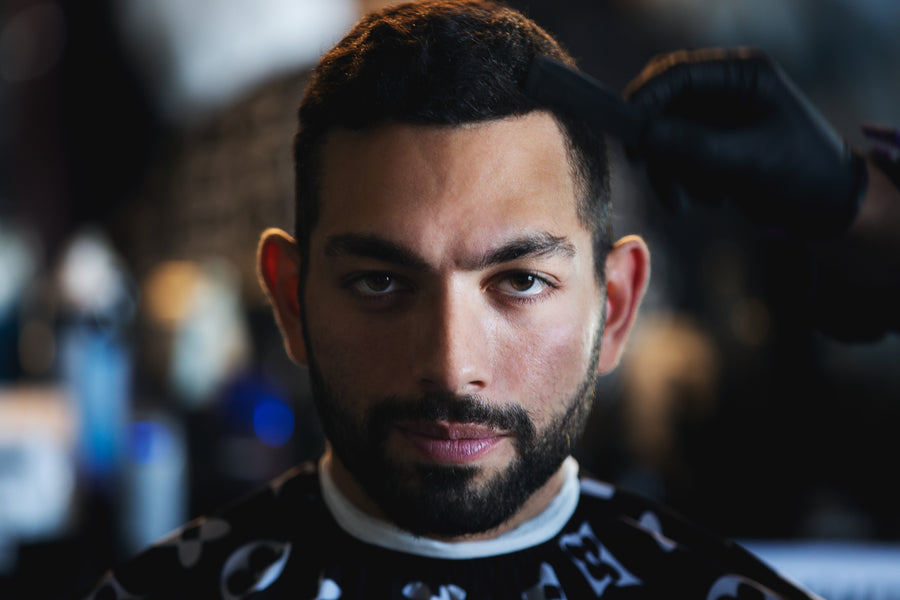
Look at your natural growth direction before choosing a back-swept reference. Hair that falls strongly forward may require more drying and product to stay in place. Ask your barber to show both a polished finish and a softer version. That comparison helps you decide whether the style fits the amount of time you want to spend each morning.
When you dry the hair, establish the intended direction while it is damp rather than trying to push a settled fringe backward afterward. Ask for a demonstration using tools and products you are comfortable with. If you prefer air-drying, say that early. A haircut can be adapted to your habits, but the most lifted version of a reference may depend on a routine you do not want.
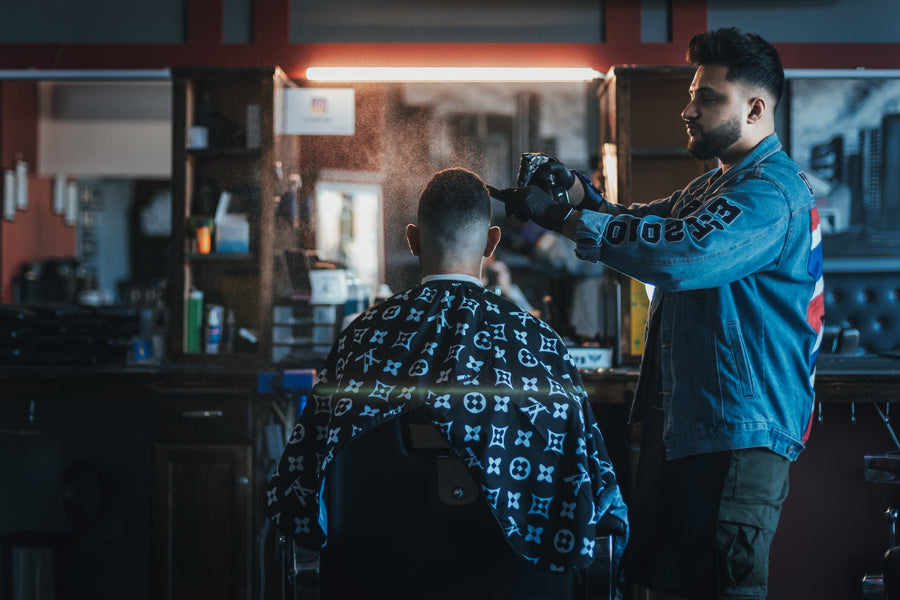
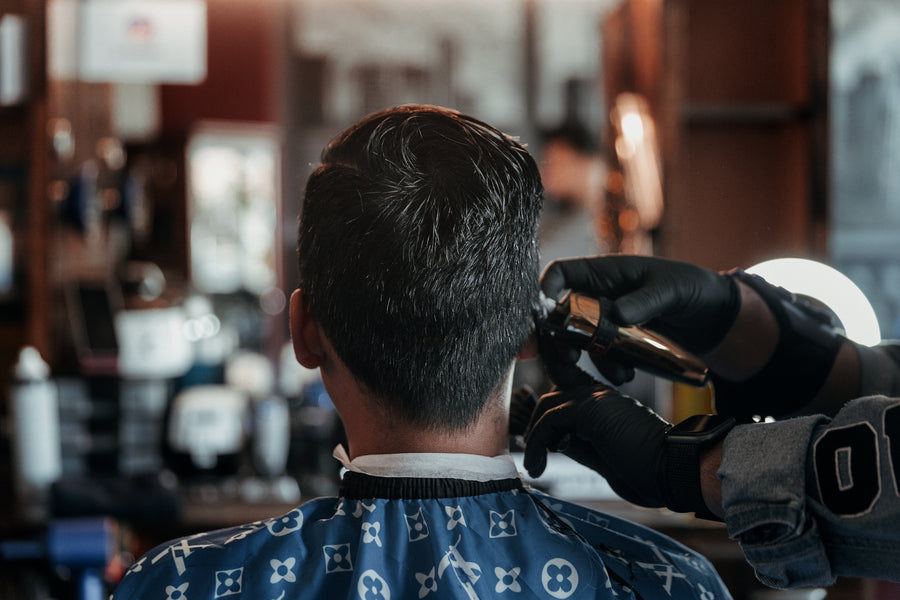
A longer side part needs room to travel
A side-parted top can look soft or structured depending on the division and finish. Follow your natural part where practical, and decide whether you want to keep the option of changing it. A shaved part creates a specific design detail and should be requested deliberately, rather than assumed to belong to every combed-across style.
Explain how you arrange the hair at home. A finger-styled finish and a carefully combed one may need different expectations about neatness and movement. Check the section that falls across the forehead and the way it meets the opposite upper side. If that area becomes heavy or collapses easily, point it out at the next visit instead of asking for the entire top to be shortened without a plan.
Keeping a longer fringe is another option
A long top does not have to move backward. You may prefer a loose forward fringe with enough length to show wave or texture. Agree on where the front should sit when dry and whether you want it to touch the forehead. Consider how the shape feels during work, sport or when wearing glasses, not just how it looks in a photograph.
The fringe should connect sensibly to the hair behind it. Too much weight in one area may make the front look separate; removing too much may reduce the movement you wanted. Ask the barber to explain how the shape will be distributed. If you like changing directions, mention that too, because a highly specific forward style may offer less flexibility than a softer, more versatile top.
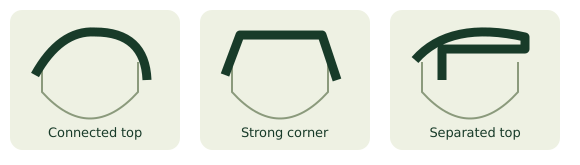
Connected blend or deliberate separation?
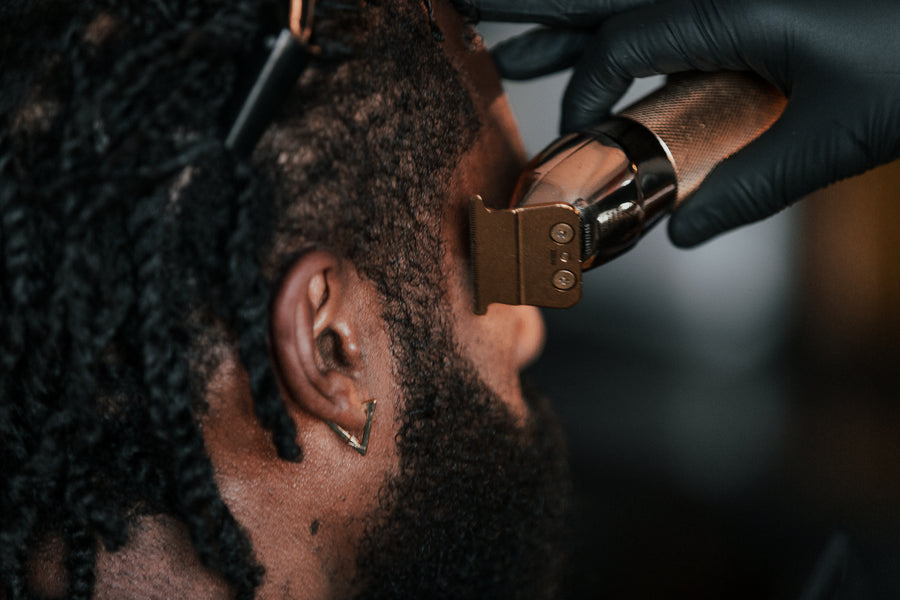
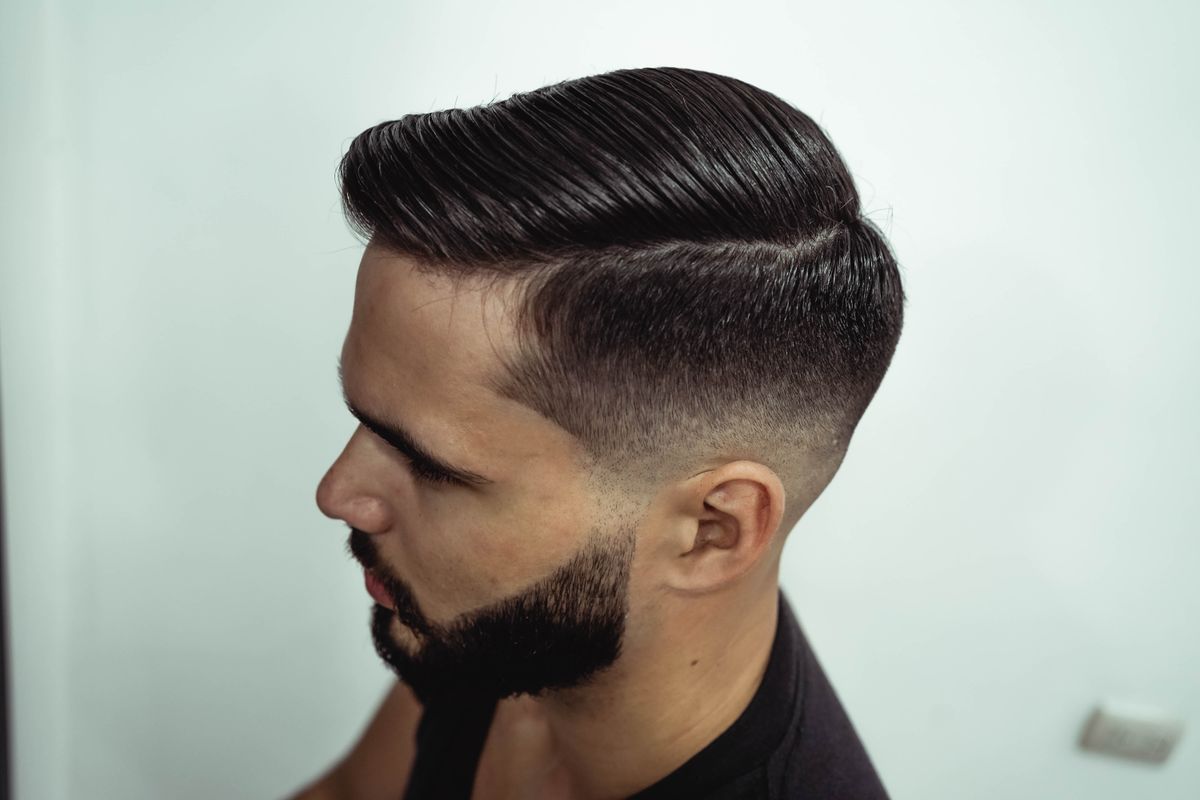
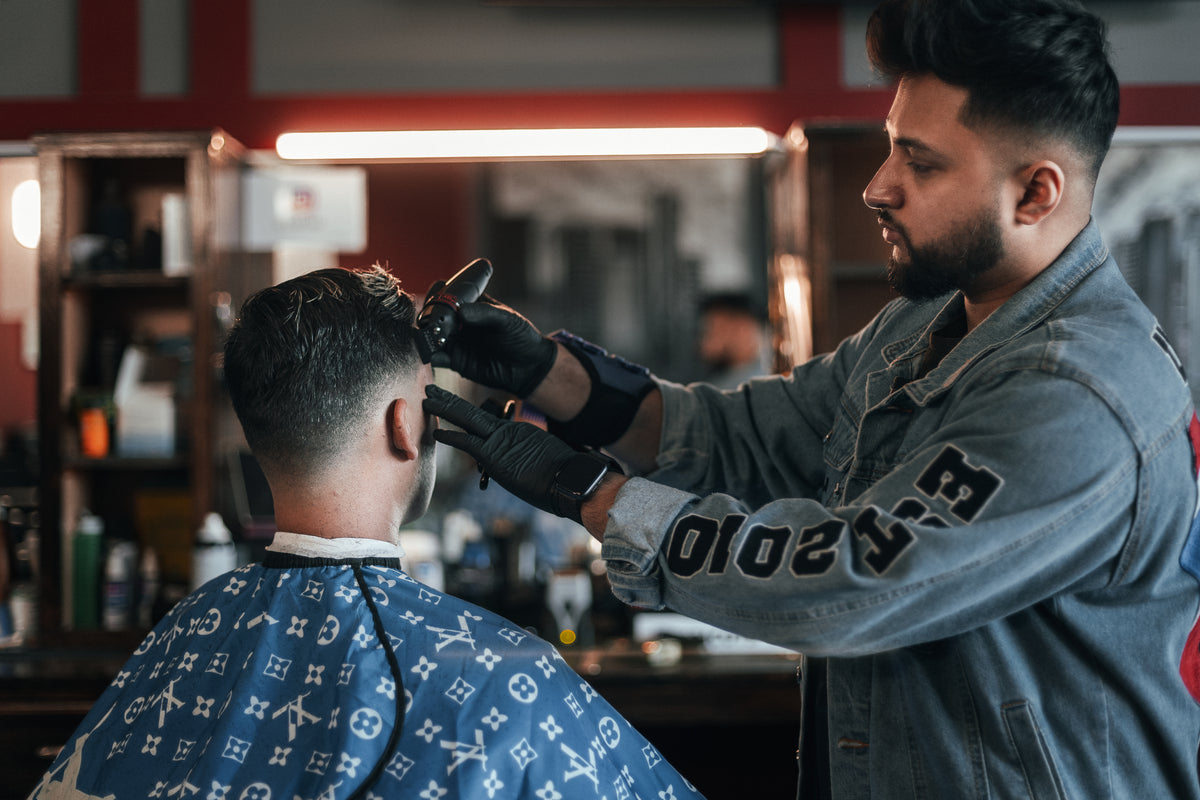
The upper-side connection is a major part of this haircut. A gradual blend can make the long top and shorter sides feel continuous. A disconnected shape leaves a more obvious contrast between them. Neither is automatically wrong, but your barber needs to know which relationship you like. The words mid fade do not fully describe what happens above the blend.
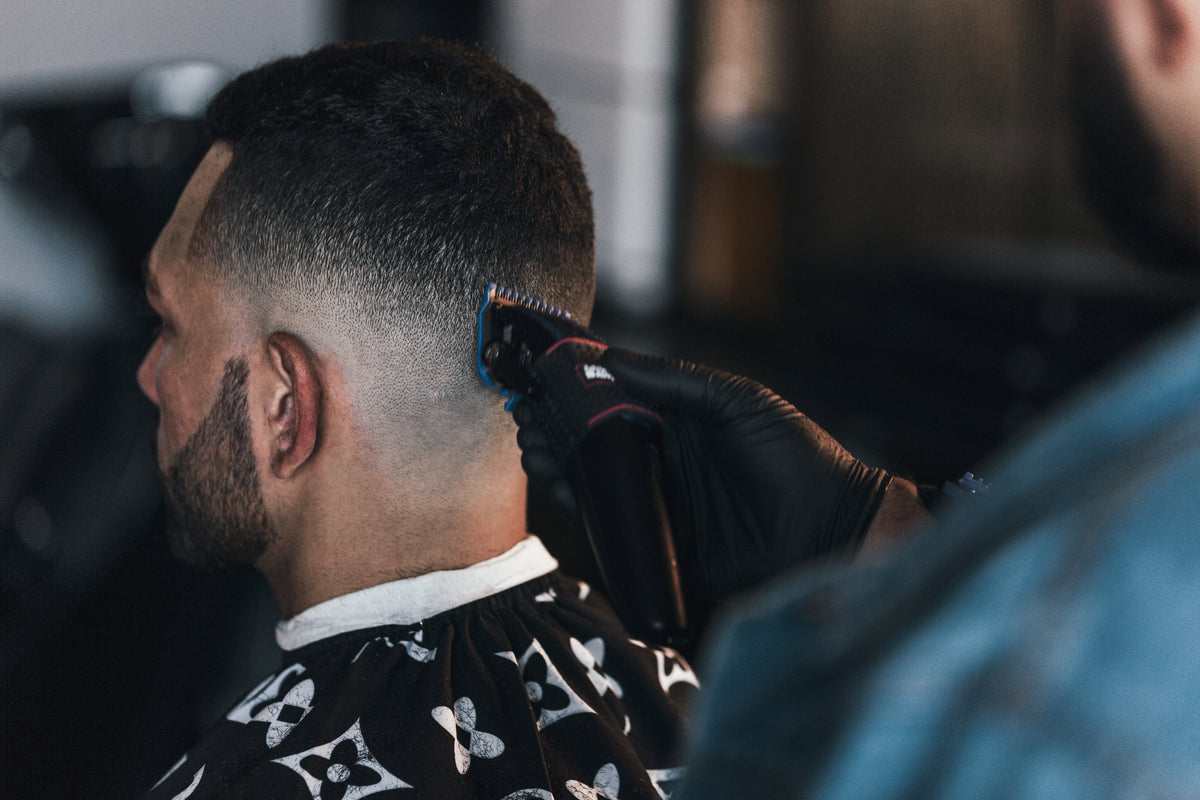
Study the side profile in your reference. Does the longer hair fall over the sides, stand away from them or merge into a rounded shape? Describe that feature. If your hair sticks outward at the corner, ask whether preserving length would help it settle or whether a different connection is appropriate. Raising the fade to remove the problem also changes the silhouette and should be an explicit decision.
Let texture influence the top, not dictate the finish
Straight hair may make the line of a long top easy to see, while waves and curls introduce movement as it dries. Denser hair can carry bulk in areas where lower-density hair may need coverage preserved. A useful reference resembles your starting texture and density, but it can also be adapted if you explain which visual detail you like.
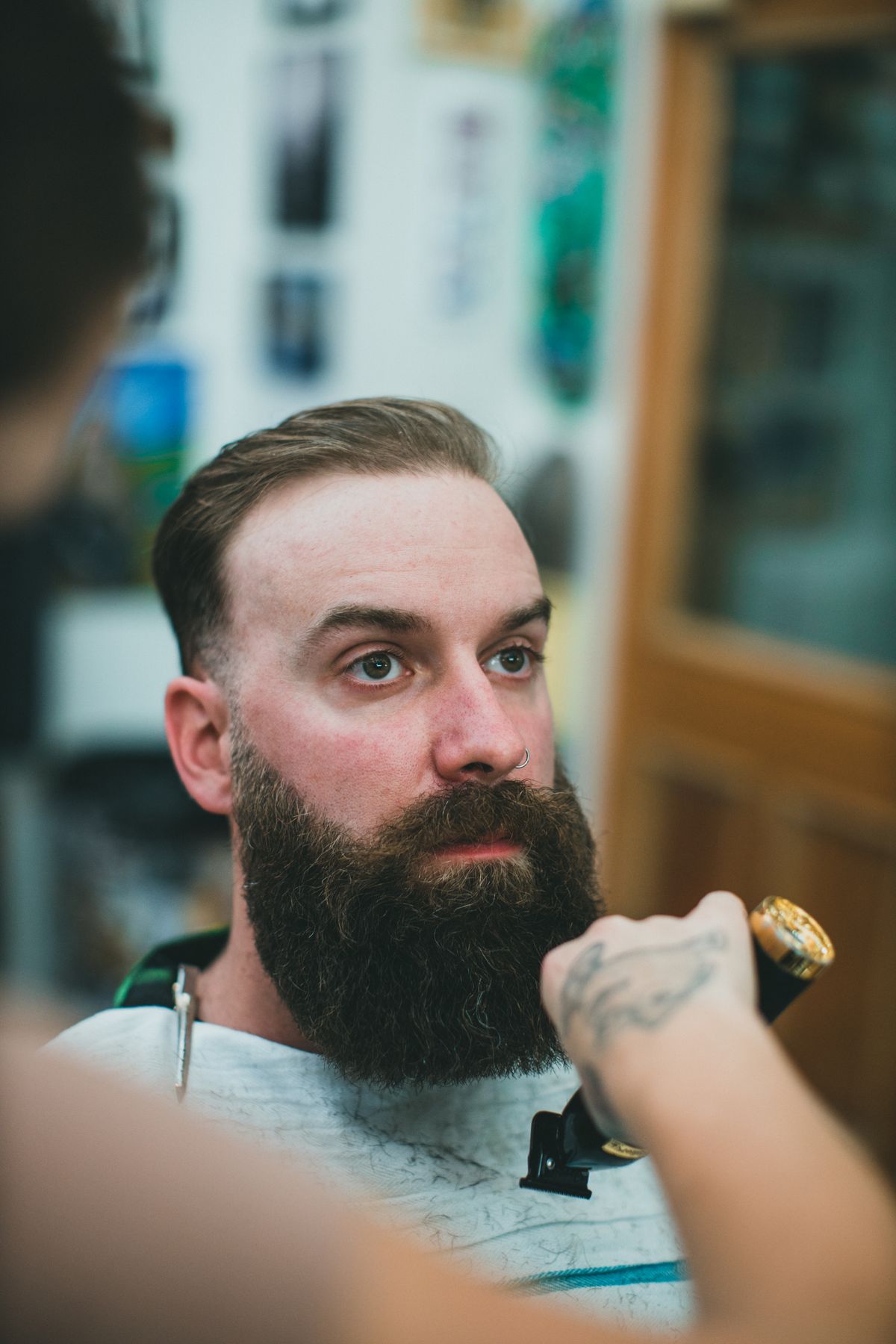
The shortest finish is still a separate choice. A long top can sit above skin or visible hair at the base of the fade. Discuss how much contrast you want and whether you are comfortable with the exposed area. If the reference has a beard, clarify whether its sideburn connection is part of your request. The top, side finish and beard do not have to be copied as one package.
Refresh the fade while preserving the long-top goal
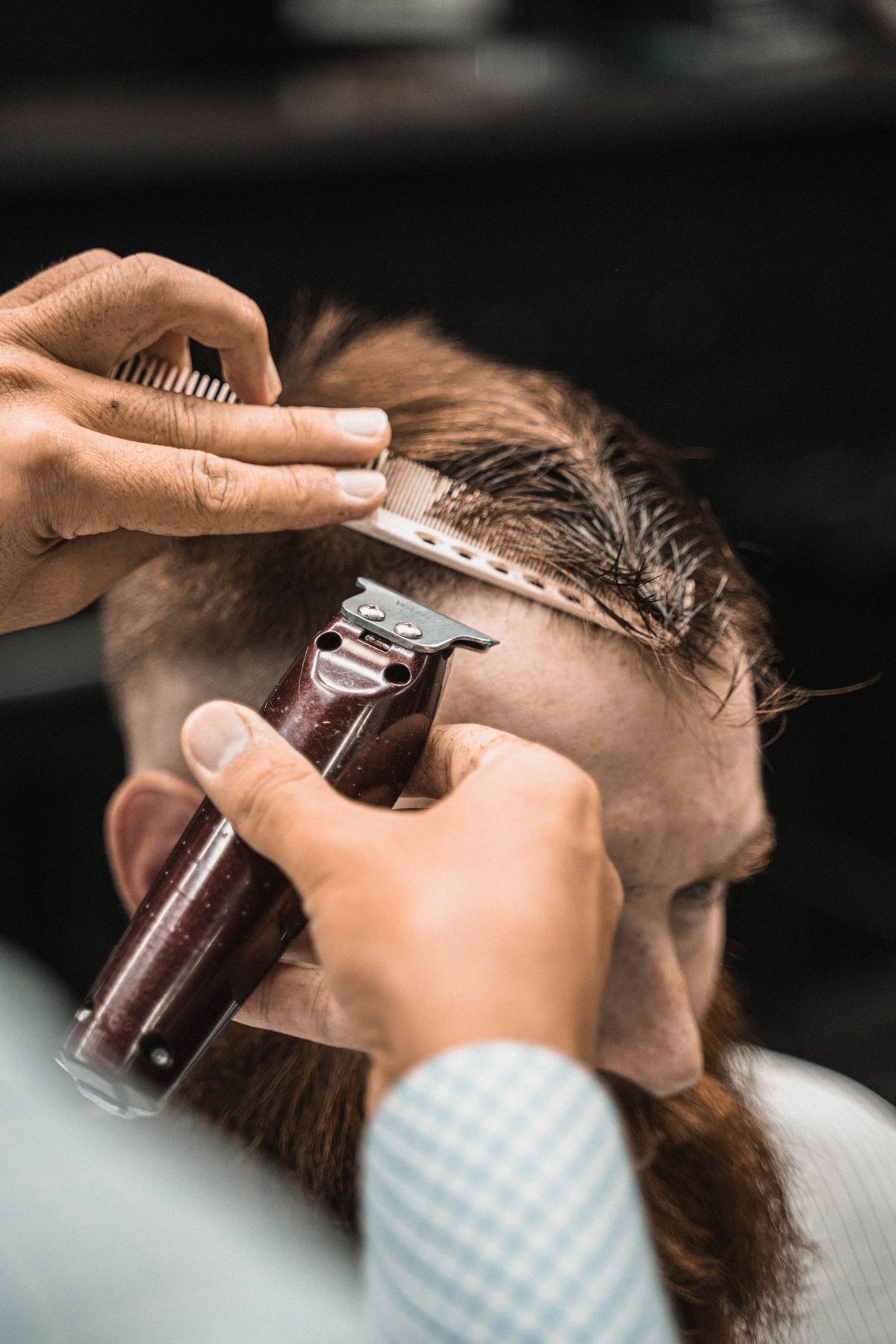
The sides may lose their sharp contrast while the top still has a useful length. When booking maintenance, explain whether you want only the fade refreshed, the top reshaped or a full cut. Ask what the service includes so a routine appointment does not automatically remove length you are trying to keep.
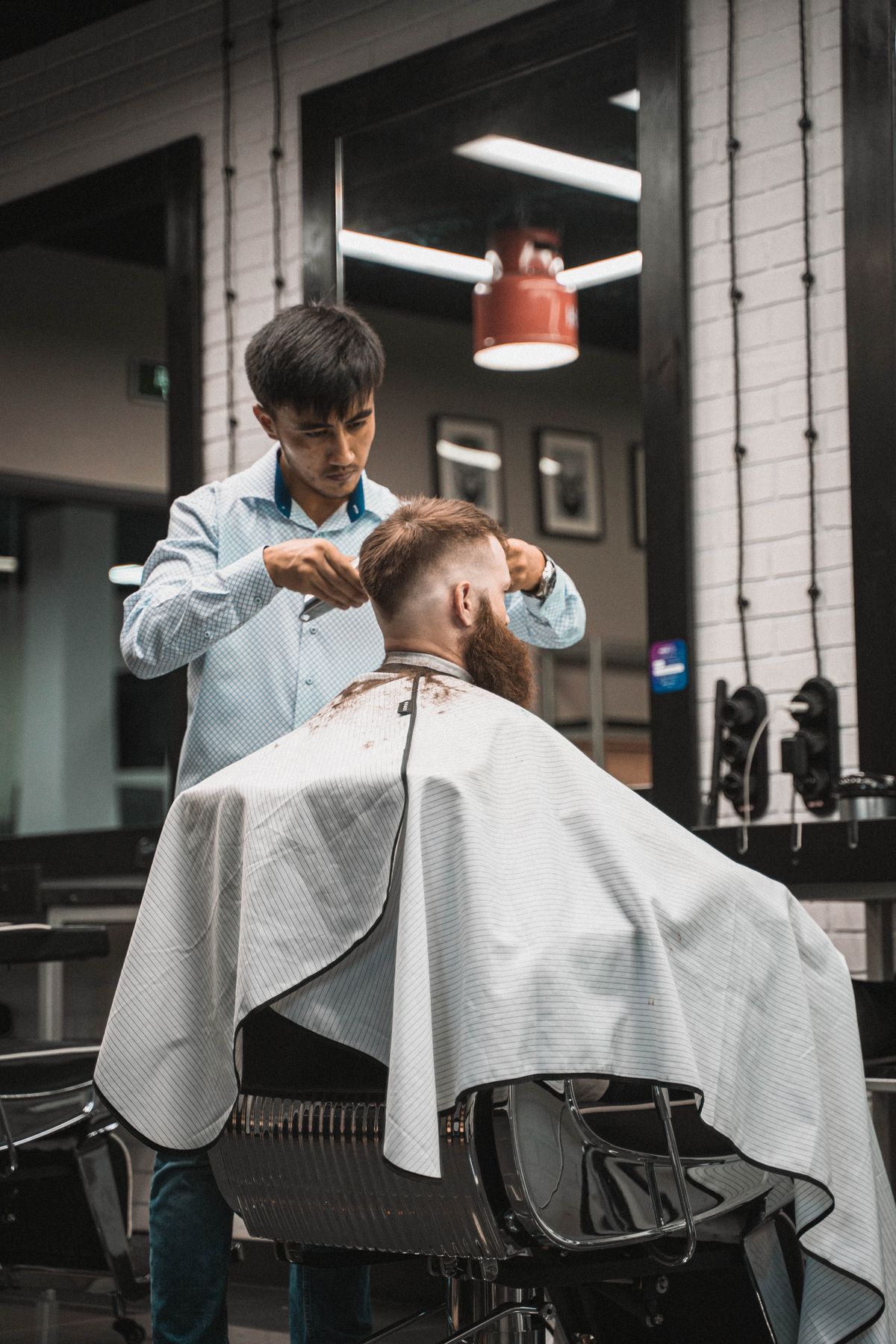
If the top becomes difficult as it grows, identify the exact area: the fringe may be too heavy, the crown may separate or the upper sides may become wide. A targeted adjustment can be easier to evaluate than changing everything at once. Keep a fresh photo and a later photo taken in comparable light. Use them to agree on the next version and on a visit interval that fits your styling habits and budget.
A routine you can test at home
- Reset the roots in the direction you want before working on the longer ends.
- Arrange the part or sweep while the top is damp.
- Use your normal finish sparingly, adding control where it is needed rather than coating the entire length again.
- Check the side silhouette when the hair is relaxed, especially if the salon finish uses more volume than you normally wear.
The top falls over the fade like a heavy ledge
Decide whether the overhang is the intended disconnected style. If it is not, ask which connection can be softened while preserving length. Removing the ledge blindly may sacrifice the growing-out goal. View the top both styled and relaxed so the barber can see its ordinary resting position.
A more precise barber request
I am growing the top so it can sweep back. Keep that travel length and refresh the mid fade only. Please explain any proposed connection work before shortening the top.
An example request to adapt, not a guaranteed result or a record of a tested client.
Common questions
How long should the top be?
There is no universal measurement. The length needs to support the direction you want, your growth pattern and your styling routine. Ask the barber to assess the front and crown separately.
Is a long-top mid fade an undercut?
It can have a connected blend or a more disconnected relationship between the long top and short sides. Show the side profile you want and clarify the connection rather than relying on the label.
Can I keep growing the top during fade appointments?
Yes, but state that goal before each refresh. Agree which areas should gain length and which can be shaped without removing the progress you want to preserve.