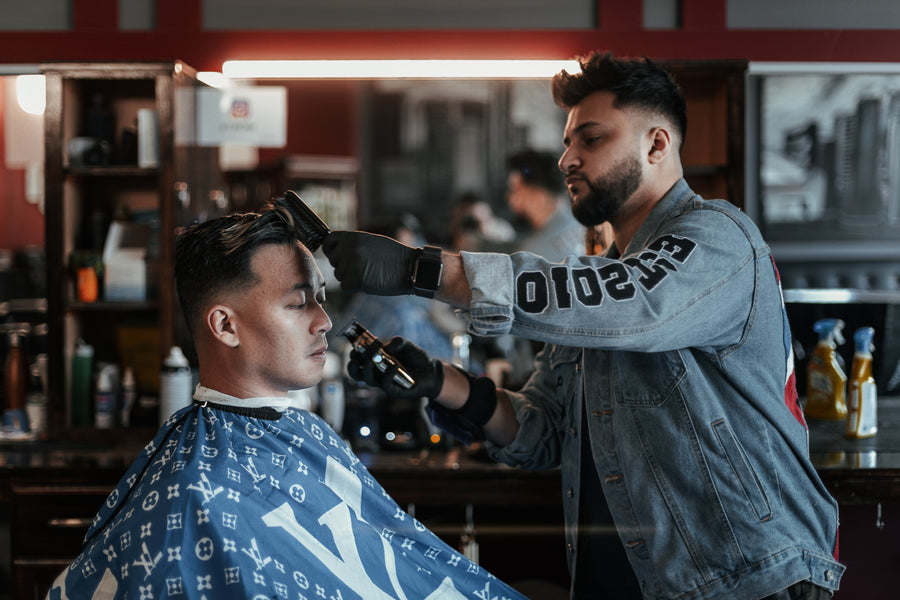
A mid fade quiff keeps the sides shorter while the front is styled upward and usually back or slightly across. The defining feature is lift at the front. Choose how much height you actually want to recreate at home before deciding how close the sides should be.
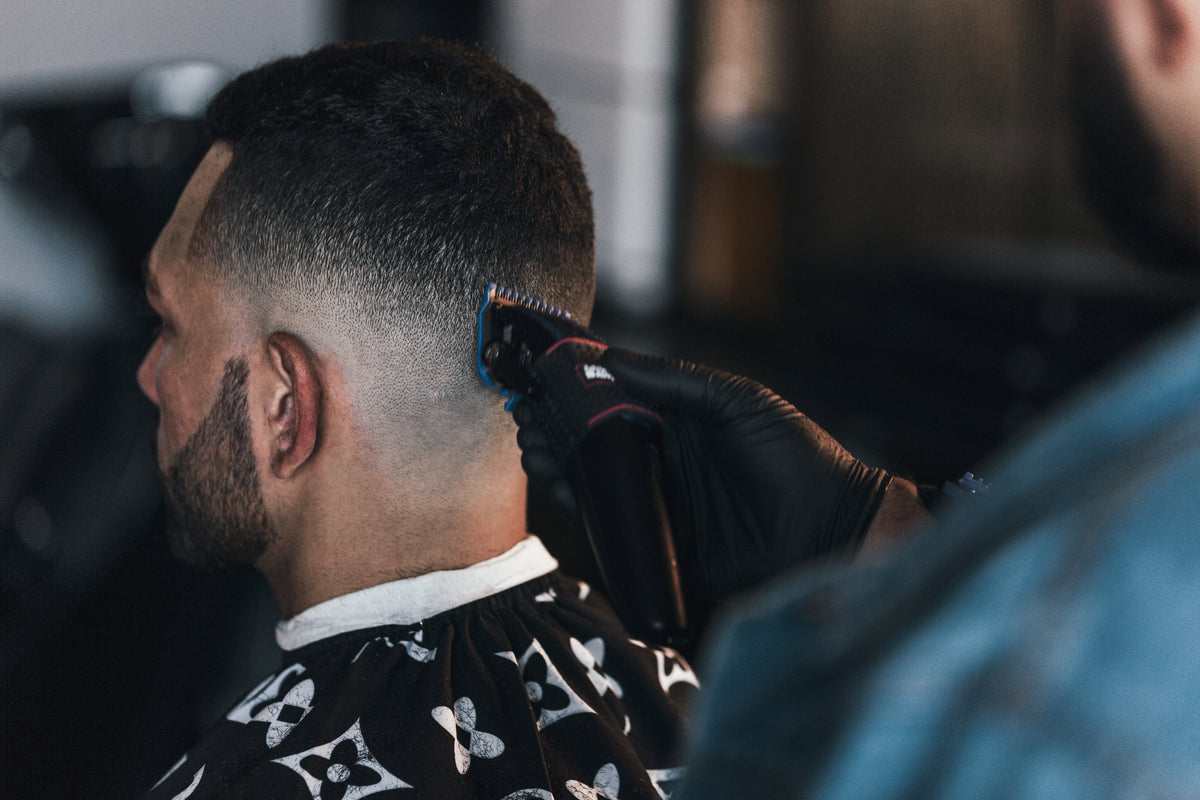
A quiff is a top shape, not a fade setting
The quiff and the mid fade answer different questions. The quiff tells the barber what the front should do; the fade describes the sides and back. A short textured quiff can have a softer visible-hair finish, while a longer swept quiff can sit above a closer finish. There is no obligation to pair height on top with bare skin below.
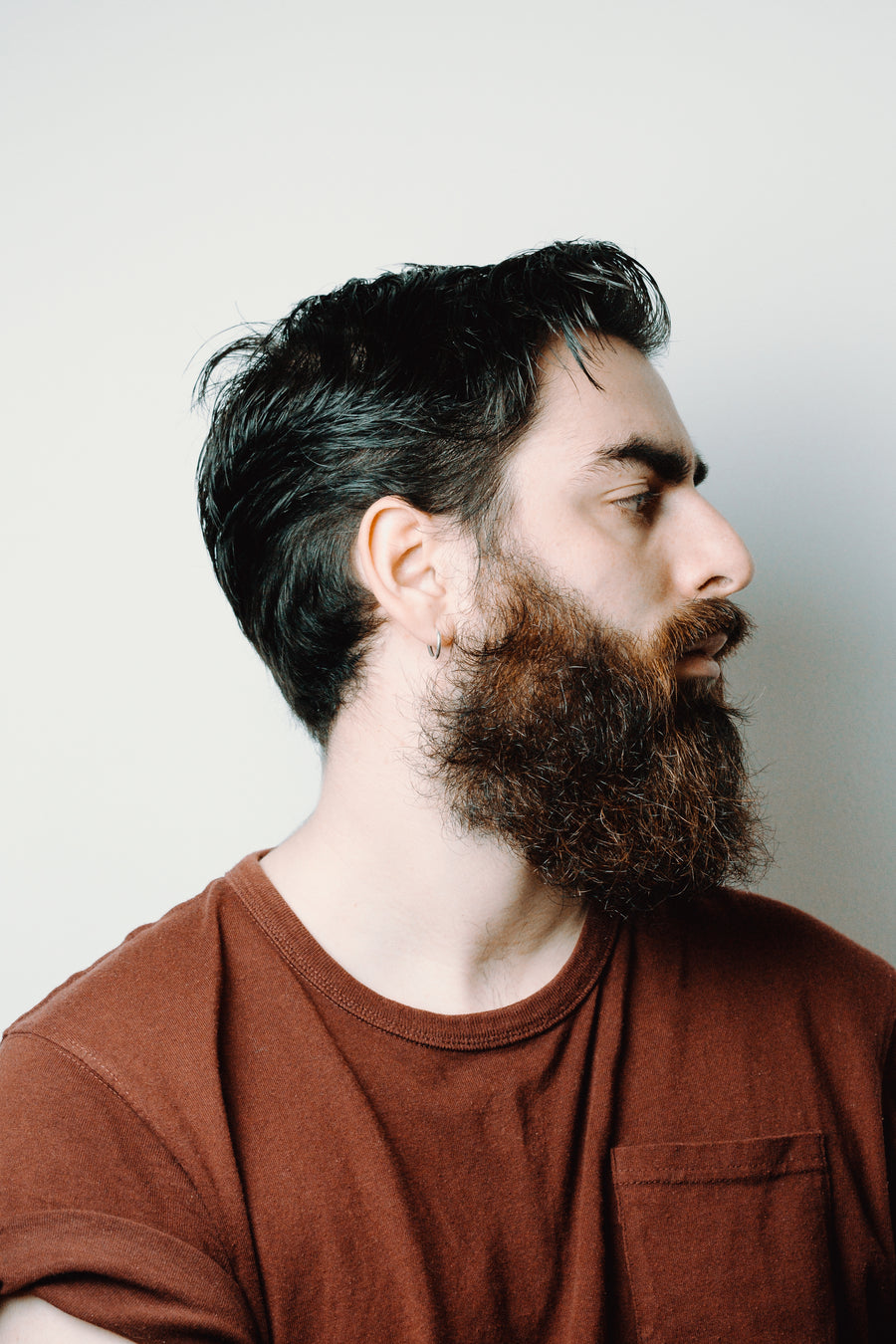
Look at the front and side profile together. A front photograph shows the direction of the lifted section, but the side reveals how far it projects and how it connects toward the crown. Decide whether you like a compact lift, a loose wave or a more structured shape. “Lots of volume” is too vague to settle those differences.
Three directions worth comparing
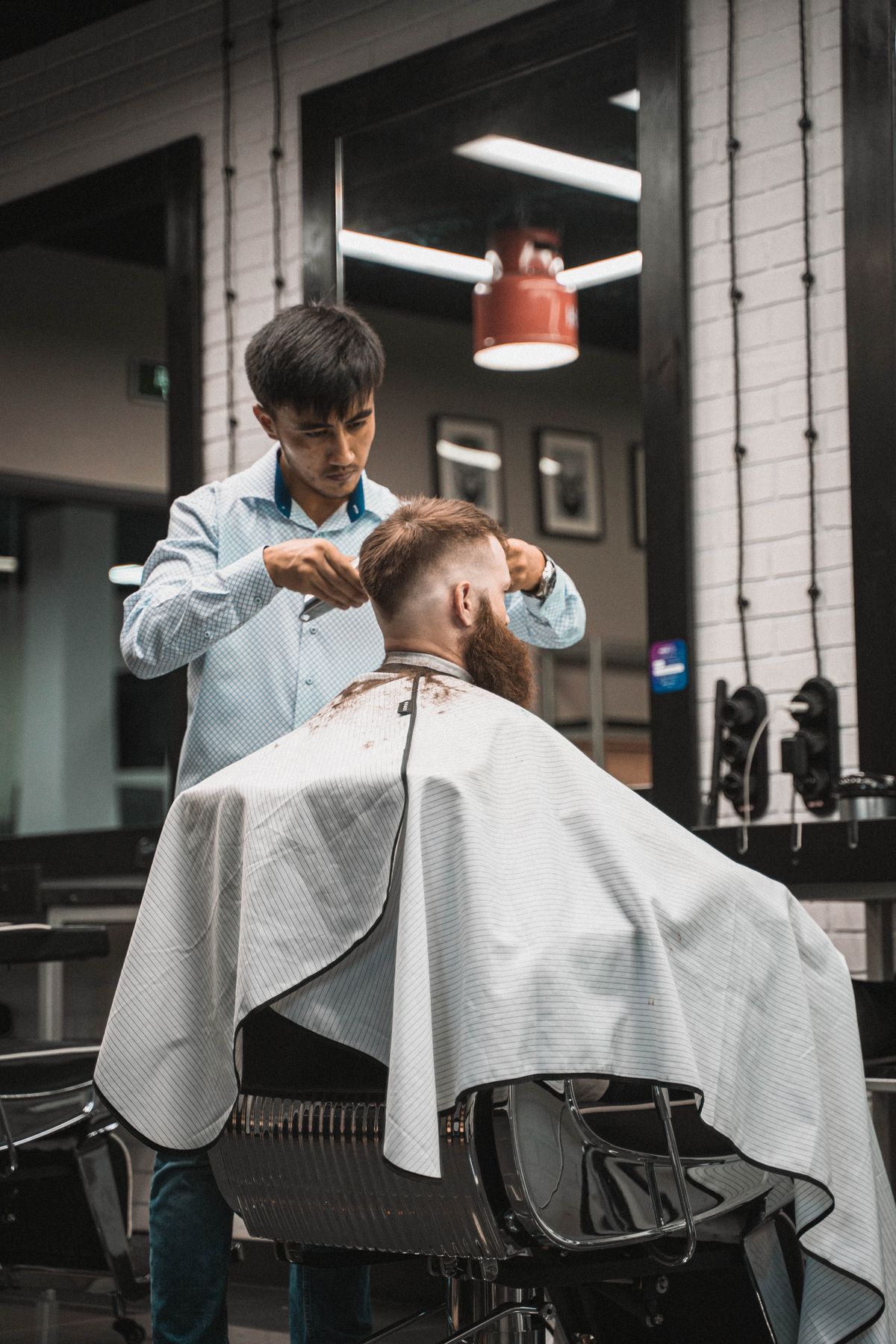
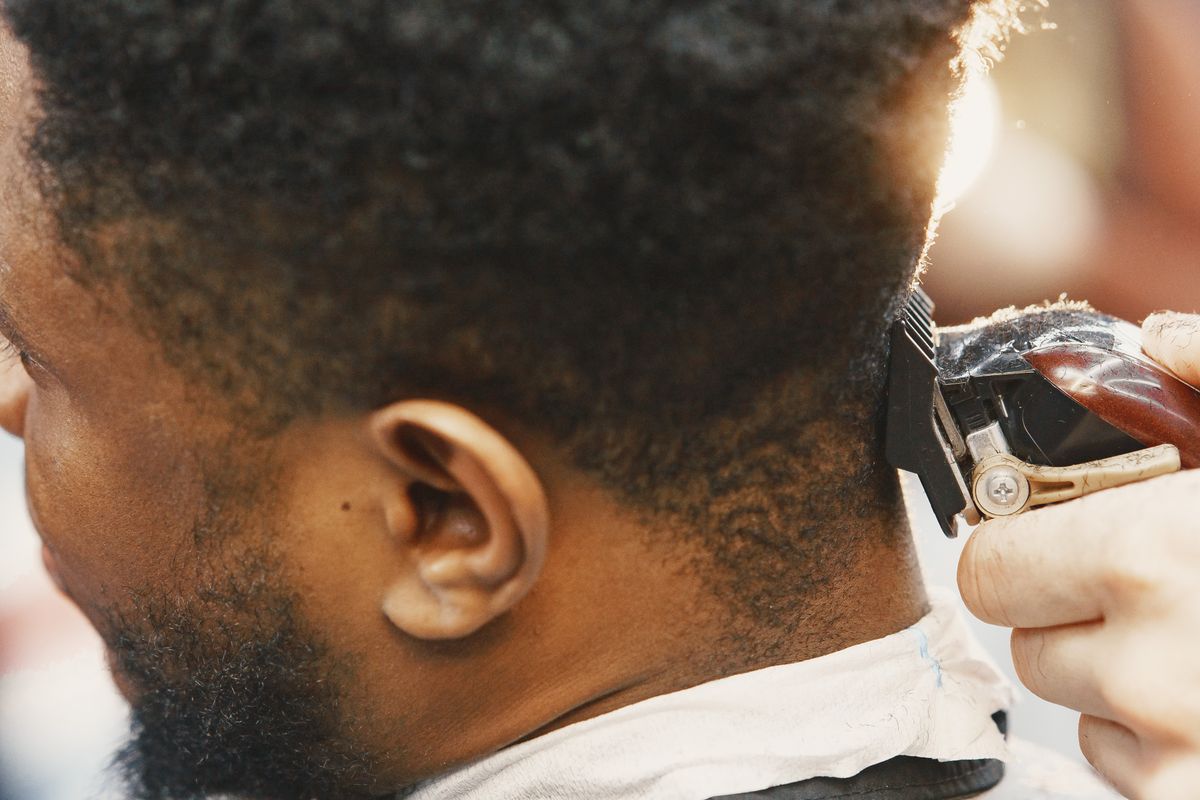
A short textured quiff uses a comparatively compact outline and a broken surface. A softer swept quiff carries the front across as well as back. A more structured quiff keeps a clearer repeated shape. These are styling directions rather than fixed measurements; the right length depends on whether your own hair can make the movement.
Choose by routine as well as appearance. If you rarely use a dryer or brush, ask to see the cut arranged with the tools you will actually use. If you enjoy creating a defined front, explain the finish you prefer. A haircut demonstrated only with an unfamiliar routine leaves an important part of the decision unanswered.
Keep the front long enough for the intended movement
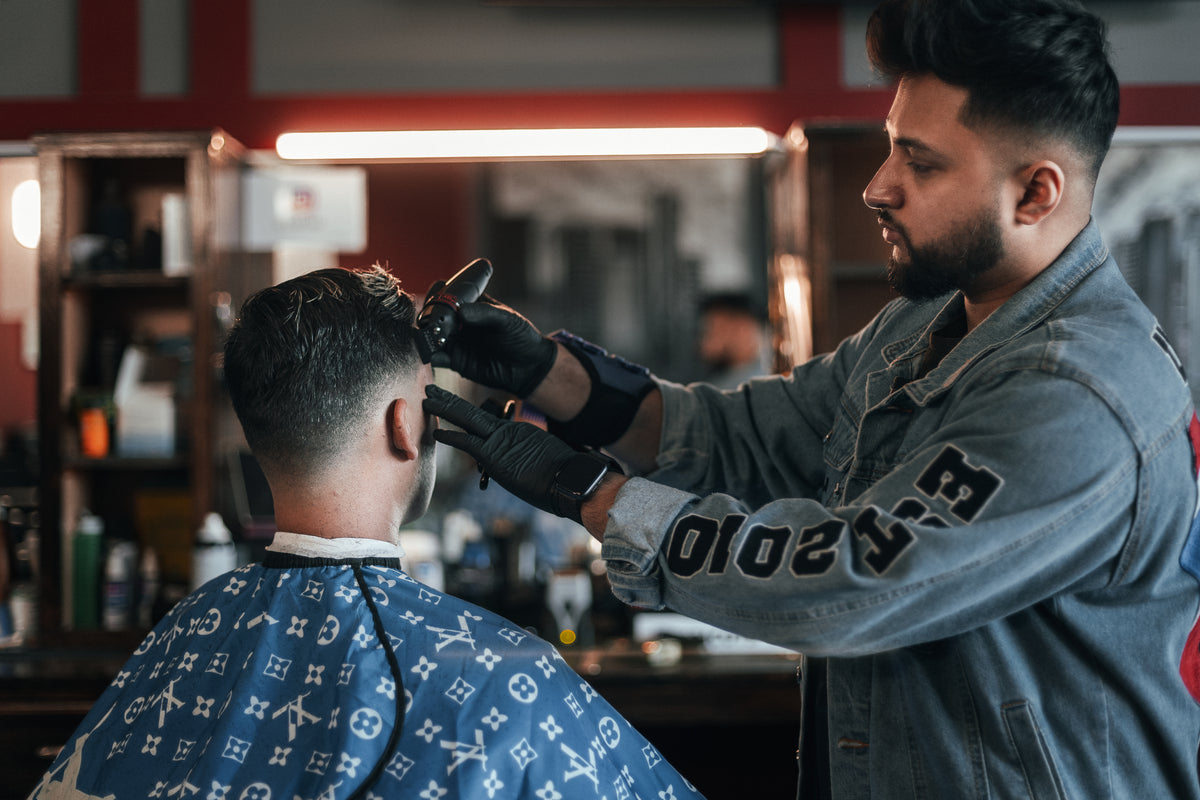
Regal Gentleman’s short-quiff guide describes a top that becomes longer toward the fringe. That is a useful structural distinction: shortening the front to match the crown can remove the part that creates lift. A precise cut should still be adapted to the hair in the chair rather than copied from a universal measurement.
Ask the barber to show how the proposed front length will sit. Look at where the hair bends and whether it lifts naturally or needs deliberate shaping. If you are growing toward a larger quiff, explain that before a routine trim. A fade refresh should not automatically restart the growing-out process on top.
Decide how strongly the top should stand apart
A softer connection lets the upper sides support the top. A more pronounced separation makes the quiff stand out more clearly against the shorter areas. Neither is automatically better. The choice changes how the haircut looks when the top is relaxed, not only when it has been lifted for a photograph.
If the upper corner looks heavy, ask where that weight is helping the shape and where it is unnecessary. Raising the fade is only one way to alter the outline, and it removes more coverage. Check the side profile before deciding that a closer finish will solve a top-shape problem.
Build the direction before adding hold
Begin with the top damp enough to reset its direction. Arrange the front upward and toward your preferred side or back. If you use a dryer, keep it moving and use a comfortable setting according to its instructions. Focus first on the direction at the roots rather than trying to coat the ends into position.
Once the shape is established, use a light first application of your usual styling product. Spread it evenly through your hands, then refine the front. More product is not automatically more lift. If the top becomes clumped or loses the movement you wanted, reset and use less rather than adding another layer over the same section.
When the quiff falls flat
First identify when it collapses. If it never lifts, the starting direction or cut may not support the intended shape. If it lifts and then drops, consider whether the front is heavier than your routine can support or whether the product application is making it feel coated. Change one styling variable at a time so the result teaches you something.
Take a photograph of the everyday result for the next appointment. “It falls forward after I leave home” is more actionable than “it needs to be better.” Ask whether a smaller quiff, a different front direction or an adjustment to the supporting length would fit your routine. Do not assume every problem requires stronger hold.
A request that leaves fewer gaps
An example request is: “I want a compact quiff with a little lift at the front, not a tall pompadour. Keep the front long enough to move back and slightly across. Use a mid fade below the top and let us agree how much coverage stays at the base.” Add a side photograph showing the height you like.
Before leaving, ask for a short demonstration using the amount of product actually needed. Watch which direction the front is moved and whether the shape depends on drying. You should be able to explain the routine in a few steps afterward. A named product is less useful than understanding the movement it is supporting.
Keep the quiff shape as the cut grows
The sides and front may need attention at different times. You may want the fade refreshed while the quiff length remains useful. At another visit, the front may feel heavy while the sides are still acceptable. Describe the part that has stopped working rather than automatically asking for the entire haircut to be shorter.
For a lower-effort change, consider reducing the height you aim to style before removing a large amount of front length. A smaller lift may preserve flexibility. If you decide to switch to a forward fringe, discuss how the existing length will fall and where it needs reshaping, rather than treating it as the same cut worn backward.
Common questions
Is a quiff the same as a pompadour?
The names overlap in everyday use. A quiff usually emphasizes lift at the front; a pompadour often suggests a fuller swept-back mass. Use a side reference to specify the shape.
Does a mid fade quiff require a skin finish?
No. The shortest side length is independent of the lifted top.
Can I keep the front while refreshing the fade?
Yes. State that the front length is to be preserved and discuss any connection work before it is cut.